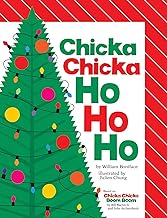
For over three decades, one children's book has stood out as the quintessential introduction to the ABCs: Chicka Chicka Boom Boom. This vibrant, rhythmic tale has captivated generations of young readers, transforming the sometimes daunting task of learning the alphabet into a joyful, sing-song adventure. But what is it about this particular alphabet book that has cemented its status as a classic book and a perennial bestseller? The answer lies in a perfect storm of catchy cadence, bold visuals, and a simple yet powerful narrative that speaks directly to a child's sense of fun and curiosity.
At its heart, Chicka Chicka Boom Boom is a story of ambition, chaos, and gentle reassurance. The lowercase letters, full of youthful exuberance, dare each other to climb to the top of a coconut tree. The repetitive, infectious chant of "Chicka chicka boom boom! Will there be enough room?" builds anticipation with every page turn. When the weight becomes too much and all the letters come tumbling down, the story doesn't end. Instead, it shows the uppercase "mamas and papas and uncles and aunts" coming to comfort and care for the bruised lowercase letters. This narrative arc provides more than just letter recognition; it offers a lesson in resilience, family support, and the idea that it's okay to try, even if you fall.
The genius of the book is its masterful use of rhyming book mechanics. The text by Bill Martin Jr. and John Archambault is pure auditory candy. The rhythmic beat is impossible to read without falling into its cadence, making it an ideal read-aloud. This rhythmic quality is crucial for early literacy development. It enhances phonemic awareness—the ability to hear and manipulate sounds in words—which is a foundational skill for reading. When children chant along with "A told B, and B told C, 'I'll meet you at the top of the coconut tree,'" they are not just memorizing letters; they are internalizing the patterns and sounds of language itself.
Lois Ehlert's iconic illustrations are the perfect visual counterpart to the lively text. As a masterful picture book artist, Ehlert uses bold, colorful, cut-paper collage to give each letter a distinct personality. The bright colors against a stark white background make the letters pop, aiding in visual discrimination for young eyes. The chaotic, joyful tumble of letters is rendered with such energy that children love to pore over the pages, pointing out their favorite letters in the jumble. This visual engagement is key to holding a toddler's attention and making repeated readings a request, not a chore.
When considering tools for learning the alphabet, parents and educators have countless options. Yet, Chicka Chicka Boom Boom consistently rises to the top of recommendations. Its effectiveness lies in its multi-sensory approach. It engages the ears with rhyme, the eyes with bold art, and the voice with repetitive chants. Children learn best through play and repetition, and this book turns drill into delightful drama. It doesn't just teach letter names; it embeds them in a memorable story context, creating cognitive hooks that make recall easier and more fun.
The book's cultural impact extends far beyond its pages. It has spawned animated adaptations, song versions, and a vast array of classroom activities—from crafting coconut trees to letter sensory bins. This longevity speaks to its deep resonance. It's more than a book; it's a shared cultural experience for millions of families. The phrase "Chicka Chicka Boom Boom" itself has become shorthand for playful, rhythmic learning. For any parent looking to foster a love of reading, introducing this classic is a foundational step. Its ability to make children laugh, participate, and learn simultaneously is a rare and powerful combination.
In conclusion, the enduring power of Chicka Chicka Boom Boom is no accident. It is the result of impeccable craftsmanship in both word and image, designed with a profound understanding of how young children learn and engage. It transforms the abstract symbols of the alphabet into lively characters on a memorable adventure. It proves that education and entertainment are not mutually exclusive but are, in fact, the most potent combination for early childhood development. For a joyful and effective start to your child's literacy journey, this classic remains an unparalleled choice. Discover the magic for yourself and see why this beloved story continues to be the gold standard for learning the alphabet.