In the vast world of nutritional supplements, few compounds have generated as much excitement and scientific interest as astaxanthin. Often hailed as the "king of carotenoids," this vibrant red pigment is responsible for the pink hue of salmon, flamingos, and shrimp. But its value extends far beyond coloration. As one of nature's most potent antioxidants, astaxanthin offers a remarkable array of health benefits, from protecting your skin from the inside out to supporting cognitive function and athletic recovery. This comprehensive guide will delve into the science, benefits, and practical applications of this extraordinary nutrient.
What is Astaxanthin?
Astaxanthin is a naturally occurring keto-carotenoid, a class of pigments found in certain algae, yeast, salmon, trout, krill, shrimp, and crustaceans. It is what gives these marine creatures their distinctive red-orange color. The primary natural source is the microalgae Haematococcus pluvialis, which produces astaxanthin as a protective mechanism against harsh environmental conditions like intense UV radiation and nutrient deprivation. When salmon and other sea creatures consume this algae, they accumulate the pigment in their tissues, which is why wild salmon, which feed on krill and other astaxanthin-rich organisms, have a much deeper red color than their farm-raised counterparts.
What sets astaxanthin apart from other antioxidants like vitamin C, vitamin E, or beta-carotene is its unique molecular structure. It has polar end groups that can span the entire cell membrane, providing protection to both the water-soluble and fat-soluble parts of the cell. This allows it to neutralize free radicals more effectively and protect cells from oxidative damage from multiple angles. Studies have shown its antioxidant power to be up to 6,000 times stronger than vitamin C, 550 times stronger than vitamin E, and 40 times stronger than beta-carotene.
The Science-Backed Benefits of Astaxanthin
1. Superior Skin Health and Anti-Aging
One of the most celebrated benefits of astaxanthin is its profound impact on skin health. By combating oxidative stress from within, it acts as an internal sunscreen and anti-aging agent. Clinical studies have demonstrated that astaxanthin supplementation can:
- Improve Skin Moisture and Elasticity: It helps preserve collagen, reducing the appearance of fine lines and wrinkles.
- Reduce Age Spots: By inhibiting melanin synthesis, it can help fade hyperpigmentation.
- Protect Against UV Damage: While not a replacement for topical sunscreen, it enhances the skin's natural defense against sun-induced damage, reducing inflammation and redness.
For those seeking a holistic approach to radiant skin, incorporating a high-quality astaxanthin supplement into your routine can provide foundational support that topical creams cannot reach.
2. Enhanced Brain Function and Neuroprotection
The brain is particularly susceptible to oxidative stress due to its high oxygen consumption and lipid-rich content. Astaxanthin's ability to cross the blood-brain barrier allows it to exert powerful protective effects on neurons. Research suggests it may help:
- Support memory and cognitive function, potentially slowing age-related decline.
- Reduce inflammation in the brain, which is linked to various neurodegenerative conditions.
- Protect brain cells from damage caused by free radicals.
This makes astaxanthin a compelling supplement for long-term brain health and cognitive maintenance.
3. Boosted Athletic Performance and Recovery
For athletes and fitness enthusiasts, astaxanthin is a game-changer. Intense physical exercise generates a significant amount of oxidative stress and inflammation, leading to muscle fatigue and delayed recovery. Astaxanthin helps by:
- Increasing strength and endurance by improving mitochondrial function and fat utilization for energy.
- Reducing muscle damage and soreness post-exercise, allowing for faster recovery.
- Decreasing lactate buildup, which is associated with muscle fatigue.
Studies on cyclists and runners have shown measurable improvements in performance metrics and reduced markers of muscle damage with astaxanthin supplementation.
4. Powerful Support for Eye Health
Similar to the brain, the eyes are vulnerable to oxidative damage from blue light and UV exposure. Astaxanthin accumulates in the retina, where it can help protect against eye strain, fatigue, and age-related macular degeneration (AMD). It has been shown to improve capillary blood flow in the retina and reduce symptoms of eye fatigue, especially for those who spend long hours in front of digital screens.
5. Cardiovascular and Immune System Support
Astaxanthin's anti-inflammatory and antioxidant properties extend to the cardiovascular system. It helps protect LDL cholesterol from oxidation (a key step in plaque formation), improves blood flow, and can positively influence lipid profiles. Furthermore, by modulating the immune response, it helps maintain a balanced and healthy immune system, ready to defend without becoming overactive.
How to Choose and Use Astaxanthin Supplements
Not all astaxanthin supplements are created equal. To ensure you're getting a product that delivers on its promises, consider the following factors:
- Source: Look for supplements derived from natural Haematococcus pluvialis microalgae, not synthetic versions. Natural astaxanthin has a specific molecular structure (stereoisomers) that the body recognizes and utilizes more effectively.
- Dosage: Most clinical studies use doses between 4mg and 12mg per day. A standard effective dose for general health is 6-8mg daily. For specific athletic or therapeutic benefits, doses up to 12mg may be used under guidance.
- Bioavailability: Astaxanthin is fat-soluble. For optimal absorption, take your supplement with a meal that contains healthy fats, such as avocado, nuts, or olive oil.
- Purity and Certification: Choose products from reputable brands that provide third-party testing for purity and are free from unnecessary fillers and additives.
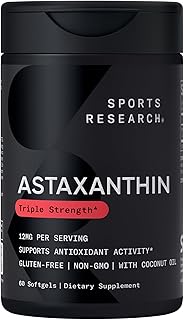
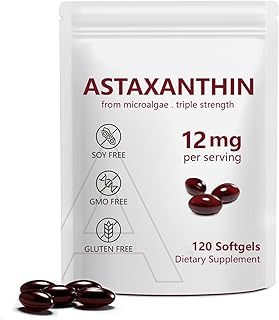
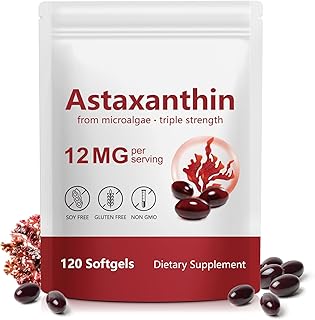
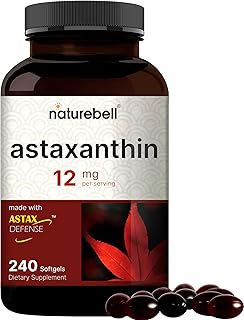
Our premium astaxanthin is sourced from sustainably cultivated Haematococcus pluvialis algae and is rigorously tested to ensure the highest potency and purity.
Common Myths and Misconceptions About Astaxanthin
With its rising popularity, several myths have emerged. Let's clarify a few:
- Myth: All red supplements are astaxanthin. Fact: The color can be misleading. Always check the source and ingredient list to confirm it's derived from the correct microalgae.
- Myth: Eating salmon provides enough astaxanthin. Fact: While salmon is a good dietary source, you would need to consume very large, frequent portions to match the concentrated dose found in a supplement. A 4-6mg supplement dose is equivalent to eating several servings of wild salmon daily.
- Myth: It works instantly. Fact: As a foundational nutrient, astaxanthin builds up in your system over time. Most people report noticing benefits, particularly for skin and energy, after 2-4 weeks of consistent use.
Integrating Astaxanthin into Your Wellness Routine
Astaxanthin is a versatile supplement that complements a healthy lifestyle. Consider it a cornerstone of your antioxidant defense system. It pairs wonderfully with other fat-soluble nutrients like vitamin D3 and omega-3 fatty acids (found in fish oil), creating a synergistic effect for overall health. For a targeted approach to skin and joint health, it can be combined with collagen peptides. For cognitive support, pairing it with other nootropic compounds like lion's mane mushroom can be beneficial.
To explore a wide range of health-boosting supplements, browse our collection of products tagged with Astaxanthin and related nutrients.
The Future of Astaxanthin Research
The scientific community continues to explore the potential of this powerful carotenoid. Ongoing research is investigating its role in metabolic health, gut health, and even its potential anti-cancer properties due to its powerful cell-signaling capabilities. As our understanding deepens, astaxanthin is poised to remain at the forefront of nutritional science for its unique ability to support human health at a cellular level.
Conclusion: Is Astaxanthin Right for You?
Astaxanthin stands out as one of the most powerful and multifaceted antioxidants available. Whether your goal is to protect your skin from aging, enhance your mental clarity, improve your athletic performance, or simply build a stronger foundation of cellular health, this remarkable compound offers compelling, science-backed benefits. By choosing a high-quality supplement from a natural source and taking it consistently with dietary fats, you can harness the protective power of this "king of carotenoids" for your long-term well-being.
Ready to experience the benefits for yourself? Discover the difference that a premium, naturally-sourced astaxanthin supplement can make in your health journey.