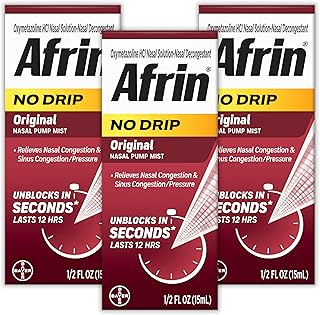
Nasal congestion is a common, frustrating symptom of colds, allergies, and sinus infections. When you can't breathe, it affects your sleep, focus, and overall well-being. Among the many over-the-counter solutions available, Afrin Nasal Spray stands out as one of the most powerful and fast-acting. However, its potency comes with specific rules for use. This comprehensive guide will explore what Afrin is, how it works, its proper application, and crucial safety information to help you use it effectively without falling into the trap of rebound congestion.
What is Afrin Nasal Spray?
Afrin is a brand-name nasal decongestant spray whose active ingredient is oxymetazoline hydrochloride. It belongs to a class of drugs called topical decongestants, which work by constricting (narrowing) the blood vessels in the lining of your nose. This action reduces swelling and inflammation, opening up nasal passages almost immediately—often within minutes. It's designed for temporary relief of nasal congestion due to the common cold, sinusitis, hay fever, and other upper respiratory allergies. Unlike oral decongestants, which affect the whole body, Afrin's effect is localized, which can mean fewer systemic side effects for many users.
How Does Afrin Work? The Science Behind the Relief
When you have a cold or allergies, the membranes lining your nasal passages become inflamed and swell with excess fluid. This is what causes that "stuffed up" feeling. Oxymetazoline, the key component in Afrin Nasal Spray, is a direct-acting sympathomimetic amine. It stimulates alpha-adrenergic receptors in the blood vessels of the nasal mucosa. This stimulation causes the blood vessels to constrict powerfully. With less blood flow to the swollen tissues, the inflammation reduces dramatically, and the nasal airways open, allowing you to breathe freely again. The effect is notably rapid, providing relief that can last for up to 12 hours, which is longer than many other decongestant sprays.
Proper Usage: A Step-by-Step Guide
Using Afrin correctly is paramount for both effectiveness and safety. Misuse is the primary cause of complications like rebound congestion (rhinitis medicamentosa).
- Read the Label: Always start by reading the product's Drug Facts label for dosage, warnings, and active ingredients.
- Clear Your Nose: Gently blow your nose to clear mucus before use.
- Prime the Pump: If it's a new bottle or hasn't been used in a while, press the pump several times until a fine mist sprays out.
- Correct Positioning: Tilt your head slightly forward. Insert the tip of the spray bottle into one nostril, pointing it slightly away from the center nasal septum (the wall between your nostrils).
- Spray and Breathe: As you begin to squeeze the pump, inhale gently through your nose. Repeat for the other nostril.
- Avoid Contamination: Do not share your nasal spray with others, and wipe the tip clean after each use.
The Golden Rule: Do not use Afrin for more than 3 consecutive days. This is the most critical instruction to prevent dependency and rebound congestion.
The Benefits and Advantages of Afrin
When used as directed, Afrin Nasal Spray offers significant benefits. Its speed of action is a major advantage, providing relief when you need it most, such as before bedtime to ensure restful sleep. Because it's a topical spray, it generally has fewer systemic side effects like increased heart rate or jitteriness compared to oral decongestants like pseudoephedrine. Its long-lasting effect (up to 12 hours) also means fewer applications per day, making it convenient. For those with severe congestion that other remedies can't touch, Afrin can be a powerful tool for short-term relief.
Potential Side Effects and Important Warnings
While effective, Afrin is not without potential side effects, especially with prolonged use. Common temporary side effects can include temporary burning, stinging, sneezing, or dryness in the nose. The most serious risk is rebound congestion. If you use Afrin for more than 3 days, the blood vessels in your nose can lose their ability to constrict on their own. When the medication wears off, they dilate even more than before, causing worse congestion. This leads to a cycle where you feel you need the spray just to breathe normally. Other warnings include:
- Not for children under 6: Afrin products are typically not recommended for young children.
- Medical Conditions: Consult a doctor before use if you have heart disease, high blood pressure, thyroid problems, diabetes, or difficulty urinating due to an enlarged prostate.
- Pregnancy/Breastfeeding: Ask a healthcare professional before use.
- Drug Interactions: Inform your doctor if you are taking MAO inhibitors or other medications for depression or high blood pressure.
Avoiding Rebound Congestion: Strategies for Safe Use
Rebound congestion is the primary pitfall of oxymetazoline sprays. To avoid it, strict adherence to the 3-day rule is non-negotiable. Use Afrin only when absolutely necessary, not as a routine. Consider using it just at night to help you sleep, allowing your nose to recover during the day. If you need longer-term relief, switch to a saline nasal spray or a steroid nasal spray (like fluticasone), which are safe for daily use but may take several days to become fully effective. If you're already experiencing rebound congestion, the only solution is to stop using Afrin completely. This will be uncomfortable for 3-7 days as your nasal passages readjust. Using saline sprays, a humidifier, and oral decongestants (under a doctor's guidance) can help during this withdrawal period.
Afrin vs. Other Congestion Remedies
How does Afrin compare to other options?
- vs. Saline Sprays: Saline is salt water. It moisturizes, loosens mucus, and provides gentle relief but does not constrict blood vessels. It is safe for indefinite use and for all ages.
- vs. Oral Decongestants (Pseudoephedrine/Phenylephrine): These work throughout the body and can raise blood pressure and cause insomnia. They don't cause rebound congestion but have more systemic side effects.
- vs. Steroid Nasal Sprays (Flonase, Nasacort): These treat inflammation at the source and are the first-line treatment for allergies. They are safe for long-term use but can take days to weeks to reach full effect.
Afrin's role is as a powerful, short-term rescue medication, not a long-term management tool.
When to See a Doctor
While Afrin is available over-the-counter, certain situations warrant professional medical advice. Consult a doctor if: your congestion lasts more than 7 days, you have a high fever, you experience severe or persistent headache, you get nosebleeds, your symptoms worsen, or if you have colored nasal discharge along with facial pain (which could indicate a bacterial sinus infection). If you find yourself unable to stop using Afrin after 3 days due to rebound congestion, a doctor can help you create a tapering plan or prescribe alternative treatments.
Conclusion: A Powerful Tool When Used Wisely
Afrin Nasal Spray is an exceptionally effective medication for rapid relief from severe nasal congestion. Its power, however, demands respect and disciplined use. By understanding its mechanism, strictly limiting use to 3 days, and being aware of the risks of rebound congestion, you can harness its benefits safely. For long-term issues like chronic allergies or sinusitis, consult with a healthcare provider to develop a sustainable management plan. Used correctly, Afrin can be the key to breathing freely during those toughest days of a cold or allergy flare-up.