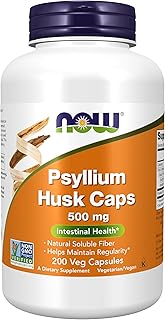
In the quest for better health, few natural ingredients have stood the test of time and scientific scrutiny like psyllium husk. This humble seed coating, derived from the Plantago ovata plant, has been a cornerstone of traditional wellness practices for centuries and remains a gold standard for natural fiber supplementation today. As modern diets often fall short of the recommended daily fiber intake, understanding and utilizing this powerful soluble fiber source can be transformative for your digestive system and overall well-being.
This comprehensive guide will delve deep into the world of psyllium, exploring its myriad benefits, practical uses, and the critical factors to consider when selecting a high-quality supplement. Whether you're new to fiber supplements or looking to optimize your current regimen, you'll find actionable insights to support your digestive health journey.
What is Psyllium Husk and How Does It Work?
Psyllium husk is the outer covering of the seeds from the psyllium plant, primarily grown in India. Its power lies in its incredibly high content of soluble fiber. When mixed with water, psyllium husk forms a viscous, gel-like substance. This gel is not digested or absorbed in the small intestine. Instead, it travels through your digestive system, performing several key functions that promote health.
This mechanism of action is what makes psyllium so effective. The gel softens stool and adds bulk, which helps normalize bowel movements—whether you struggle with constipation or diarrhea. Furthermore, it acts as a prebiotic, feeding the beneficial bacteria in your gut microbiome. The gel also slows down digestion in the stomach, which can help with blood sugar management and promote a feeling of fullness.
The Science-Backed Health Benefits of Psyllium Husk
1. Promotes Regularity and Relieves Constipation
This is the most well-known benefit of psyllium. Numerous studies, including those published in the American Journal of Gastroenterology, confirm its efficacy. The soluble fiber absorbs water in the gut, significantly increasing stool weight, softening its consistency, and reducing the transit time. For those seeking a gentle, non-habit-forming solution for regularity, a natural fiber supplement like psyllium is often the first recommendation from healthcare professionals.
2. Supports Heart Health by Managing Cholesterol
The gel-forming property of psyllium has a profound effect on heart health. As it moves through the digestive tract, it binds to bile acids—which are made from cholesterol—and helps excrete them. The liver must then pull more cholesterol from the bloodstream to create new bile acids, effectively lowering total and LDL ("bad") cholesterol levels. The FDA has approved a health claim stating that soluble fiber from psyllium husk, as part of a diet low in saturated fat and cholesterol, may reduce the risk of heart disease.
3. Aids in Blood Sugar Control
For individuals managing blood sugar levels, psyllium can be a valuable tool. The viscous gel it creates slows the emptying of the stomach and the absorption of glucose (sugar) from food. This results in a more gradual rise in blood sugar and insulin levels after meals. Research in journals like Diabetes Care has shown that supplementing with psyllium can improve glycemic control in people with both type 2 diabetes and prediabetes.
4. Contributes to Healthy Weight Management
By promoting satiety—the feeling of fullness—psyllium can help reduce overall calorie intake. When taken before a meal with water, it expands in the stomach, creating a sense of fullness that can naturally lead to eating smaller portions. This, combined with its minimal caloric content, makes it a sensible addition to a weight management plan focused on whole foods and mindful eating.
5. Nourishes the Gut Microbiome
Emerging research highlights the importance of gut health for everything from immunity to mood. Psyllium acts as a prebiotic, serving as fuel for the beneficial bacteria (probiotics) in your colon. A healthy, diverse microbiome is linked to reduced inflammation, improved nutrient absorption, and a stronger immune system.
How to Choose the Best Psyllium Husk Supplement: A Buyer's Guide
Not all psyllium products are created equal. The market is flooded with options, making it crucial to know what to look for to ensure you're getting a pure, effective, and safe product. Here are the key factors to consider, exemplified by high-quality choices like NOW Foods Whole Psyllium Husks.
1. Form: Whole Husks vs. Powder vs. Capsules
Psyllium is available in several forms. Whole husks are the least processed, often preferred by purists. They mix into liquids with a slightly textured consistency. Powder is finely ground husks, which dissolves more completely and is easier for some people to consume. Capsules offer convenience and portability but require swallowing multiple pills to reach an effective dose. Your choice depends on your lifestyle and texture preference.
2. Purity and Sourcing: The Non-GMO Imperative
Psyllium is a crop, and like any crop, its cultivation practices matter. Choosing a product that is Non-GMO Project Verified ensures the seeds were not genetically modified. This verification is a strong indicator of a brand's commitment to purity and quality from the source. It also means avoiding potential pesticides or herbicides associated with some GMO farming.
3. Ingredient Transparency: Avoid Unnecessary Additives
Read the label carefully. The best psyllium supplements contain one ingredient: 100% pure psyllium husk (or seed husk). Avoid products with added sugars, artificial flavors, colors, or fillers like maltodextrin. These additives are unnecessary and can counteract the health benefits you're seeking, especially for blood sugar management.
4. Brand Reputation and Third-Party Testing
Opt for brands with a longstanding reputation for quality and transparency, such as NOW Foods Supplements. Reputable companies often invest in third-party testing to verify the purity, potency, and safety of their products, ensuring they are free from contaminants like heavy metals or microbes.
How to Use Psyllium Husk Safely and Effectively
To reap the benefits and avoid potential discomfort, proper usage is key.
- Start Low, Go Slow: Begin with a half dose (e.g., 1 teaspoon) once daily for a week to allow your digestive system to adjust, then gradually increase to the full recommended dose (usually 1-2 tablespoons daily).
- Hydrate, Hydrate, Hydrate: This is the most critical rule. Always mix psyllium with a full glass (8 oz or more) of water or another liquid, and drink another glass of water afterward. Inadequate fluid intake can lead to choking or intestinal blockage.
- Timing Matters: Take it at least 2-3 hours before or after other medications or supplements, as the fiber can interfere with their absorption.
- Listen to Your Body: Some initial gas or bloating is normal as your microbiome adjusts. If discomfort persists, reduce your dose.
Incorporating Psyllium into Your Daily Routine
Beyond the classic "mix-and-drink" method, psyllium husk is a versatile kitchen ingredient. Its binding and thickening properties make it an excellent egg substitute in vegan baking (1 tbsp psyllium + 3 tbsp water = 1 egg). You can also add a teaspoon to smoothies, oatmeal, soups, or homemade gluten-free bread dough to boost the fiber content seamlessly.
Who Should Consider a Psyllium Supplement?
Psyllium can benefit a wide range of individuals, including: those whose diets lack sufficient fruits, vegetables, and whole grains; people managing cholesterol or blood sugar levels; individuals seeking gentle relief from occasional constipation; and anyone wanting to support their overall gut health as part of a holistic wellness strategy.
Precautions and When to Consult a Doctor
While generally safe for most adults, consult your healthcare provider before starting psyllium if you have: a history of bowel obstruction, difficulty swallowing, or severe constipation. Those with diabetes should monitor blood sugar closely, as fiber can affect medication needs. Pregnant or nursing women should also seek medical advice. Discontinue use and see a doctor if you experience severe abdominal pain, vomiting, or difficulty breathing after ingestion.
Conclusion: Building a Foundation for Lifelong Digestive Health
Incorporating a high-quality psyllium husk supplement into your routine is a powerful, evidence-based step toward taking control of your digestive and overall health. By choosing a pure, minimally processed product from a trusted brand, you are investing in a simple yet profoundly effective tool for wellness. Remember, consistency and adequate hydration are the keys to success. Start your journey today by exploring a reliable option like NOW's Non-GMO Verified Whole Psyllium Husks, and experience the difference that optimal fiber intake can make in how you feel every day.