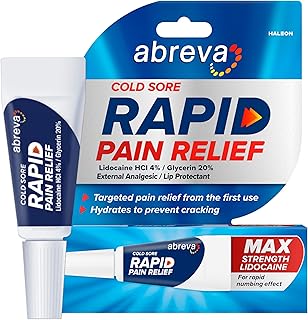
Cold sores, also known as fever blisters, are a common and often painful viral infection caused by the herpes simplex virus (HSV-1). For millions of people, the telltale tingling, itching, and eventual blistering on or around the lips can be a source of significant discomfort and self-consciousness. In the search for effective relief, one name consistently stands out: Abreva. This over-the-counter cream has become a go-to solution for its promise of rapid pain relief and accelerated healing. But what makes it so effective? The answer lies in its active ingredient, docosanol, and its unique mechanism of action that targets the virus at the cellular level.
This comprehensive guide will delve into the science behind Abreva, explore how to use it for maximum benefit, compare it to other cold sore treatment options, and provide practical advice for managing outbreaks. Whether you're experiencing your first cold sore or looking for a more effective management strategy, understanding your options is the first step toward faster healing and comfort.
The Science of Docosanol: How Abreva Works
Unlike many antiviral medications that work inside infected cells, docosanol, the 10% active ingredient in Abreva, has a unique preventative mechanism. It is a saturated 22-carbon alcohol that works by modifying the plasma membrane of healthy cells, making it more difficult for the herpes simplex virus to enter and infect them. Essentially, it acts as a shield for uninfected cells, blocking the virus's entry point and limiting its spread. This is crucial because cold sore healing time is directly related to how quickly new, healthy cells can replace the damaged ones. By preventing the infection of new cells, docosanol helps shorten the duration of the outbreak.
Clinical studies supporting Abreva's approval by the FDA demonstrated that it can reduce healing time by a median of about half a day to a full day when applied at the first sign of an outbreak (the prodromal tingling stage). More importantly, many users report a significant reduction in the severity of symptoms, including the burning and pain associated with the blisters, which is why it's marketed for rapid pain relief. This dual action—inhibiting viral spread and alleviating discomfort—is what has cemented its reputation as a leading OTC treatment.
How to Use Abreva Cream for Best Results
To harness the full potential of Abreva, correct application is key. The most critical factor is timing. The cream is most effective when applied at the very first sensation of an impending cold sore—the tingling, itching, or burning sensation that occurs before any visible sore appears.
- Start Early: Wash your hands, then apply a small amount of cream to cover only the affected area and a small margin around it at the first sign of tingling.
- Apply Frequently: Use the cream five times daily until the sore is fully healed. Consistent application maintains the protective barrier on your skin cells.
- Use a Cotton Swab: To avoid contaminating the tube and spreading the virus, apply with a clean cotton swab or a finger cot. Never touch the sore and then the tube opening.
- Be Patient and Consistent: Continue application even after the blister forms and crusts over. Complete the healing process to help prevent rapid recurrence.
Following this protocol maximizes the chance of shortening the outbreak cycle and minimizing pain. For a convenient and measured dose, consider a product like the Cold Sore Treatment Rapid Pain Relief Cream - 1 Tube, 3 Grams, which provides a portable solution for on-the-go care.
Abreva vs. Other Cold Sore Treatments
When choosing a fever blister treatment, it's helpful to understand how Abreva stacks up against other common options:
- Prescription Antivirals (e.g., Acyclovir, Valacyclovir): These are systemic medications that work inside the body to suppress viral replication. They are typically more potent for severe or frequent outbreaks but require a doctor's prescription. Abreva offers a readily accessible, topical alternative for milder or less frequent cases.
- Other OTC Creams & Ointments: Many OTC products, like those containing benzocaine or menthol, focus solely on numbing pain or drying out the sore. They do not have an antiviral mechanism like docosanol. Abreva's unique action addresses both symptom relief and the underlying viral activity.
- Home Remedies (e.g., Lemon Balm, Lysine, Ice): Some natural remedies may offer supportive relief but generally lack the robust clinical evidence that supports the use of docosanol. Abreva provides a standardized, FDA-approved dose of an effective ingredient.
For those seeking a targeted, non-prescription antiviral approach, a docosanol cream like Abreva represents a strong middle ground between simple palliative care and prescription medication.
Supporting Cold Sore Healing: A Holistic Approach
While Abreva is a powerful tool, managing cold sores effectively often involves a combination of strategies. Supporting your body's immune system can help reduce the frequency and severity of outbreaks.
- Manage Triggers: Common triggers include stress, fatigue, sun exposure (UV light), hormonal changes, and illness. Identifying and mitigating your personal triggers can be preventive.
- Sun Protection: Use a lip balm with SPF 30 or higher daily, as UV radiation is a major trigger for many people.
- Diet and Supplements: Some studies suggest the amino acid L-lysine may help prevent outbreaks, while avoiding high amounts of arginine (found in nuts, chocolate, and seeds) might be beneficial. Staying hydrated and eating a balanced diet supports overall immune function.
- Stress Reduction: Practices like meditation, adequate sleep, and regular exercise can help keep stress—a key trigger—in check.
Using a dedicated lip sore cream at the first sign of trouble, alongside these lifestyle measures, creates a comprehensive defense against the discomfort of cold sores.
What to Expect During the Healing Process
Understanding the typical cold sore stages can help you use Abreva more effectively and set realistic expectations for cold sore healing.
- Tingling/Itching Stage (Day 0-1): The ideal time to start applying Abreva. You may feel a sensation but see no visible sore.
- Blister Formation (Day 1-2): Small, fluid-filled blisters appear. Continued application of Abreva can help limit their size and number.
- Ulcer/Weeping Stage (Day 3-4): Blisters may burst, leaving shallow, painful open sores. This is the most contagious stage. Abreva can help soothe pain during this phase.
- Crusting/Scabbing (Day 4-6): A yellow or brown crust forms over the sore. It's important not to pick at the scab and to continue applying cream to the area to support healing underneath.
- Healing (Day 7-14+): The scab falls off, revealing new skin that may be pink or red initially. Healing is complete when the skin returns to normal.
With early and consistent use of Abreva, many users find they can shorten this timeline and experience less intense symptoms, particularly during the painful blister and ulcer stages.
Final Thoughts on Managing Cold Sores with Abreva
Abreva, with its active ingredient docosanol, remains a cornerstone of over-the-counter cold sore management for good reason. Its FDA-approved, unique mechanism of action offers a genuine therapeutic benefit beyond simple pain masking. By blocking viral entry into healthy cells, it actively contributes to faster healing while providing the rapid pain relief its name promises. Success with this treatment hinges on early intervention—having a tube on hand at all times so you can act at the first tingle—and disciplined, frequent application.
While no product can cure the herpes simplex virus, effective management is entirely possible. Combining a reliable treatment like Abreva with proactive lifestyle choices to manage triggers empowers you to take control of your outbreaks. Remember, for severe, frequent, or ocular cold sores, consulting a healthcare professional is always recommended. For the common lip cold sore, having a trusted cold sore treatment in your medicine cabinet can make the difference between a prolonged, painful episode and a quickly resolved nuisance.


