In today's fast-paced world, achieving quality sleep can feel like an elusive goal for many adults. The market is flooded with solutions, but discerning which natural sleep aids are both effective and safe requires a deeper understanding of their formulations. This guide delves into the science of popular sleep support blends, examining key ingredients and their roles in promoting restful nights. We'll explore comprehensive formulas, including those that combine multiple botanicals and nutrients for a synergistic effect.
One prominent category in the wellness space is multi-ingredient sleep complexes. These formulas, such as the 12-in-1 melatonin sleep capsules, aim to address sleep from multiple angles. They typically include a foundational dose of melatonin, the body's natural sleep-wake cycle regulator, paired with calming agents like magnesium glycinate and L-Theanine. The inclusion of adaptogens like ashwagandha and traditional herbs such as valerian root speaks to a holistic approach to managing stress and nervous system relaxation, which are critical precursors to sleep.
Melatonin remains a cornerstone of many natural sleep supplements. At a standard dose like 5mg, it helps signal to the brain that it's time to wind down, effectively resetting the circadian rhythm. However, the efficacy of a sleep aid often depends on what accompanies the melatonin. Magnesium glycinate, a highly bioavailable form of magnesium, plays a crucial role in muscle relaxation and GABA function—a neurotransmitter that calms nervous activity. This combination tackles both the timing and the physical tension that can impede sleep.
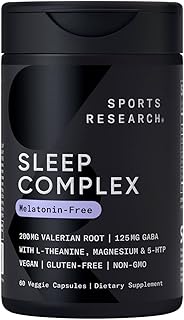
Beyond the basics, advanced formulas incorporate ingredients for targeted support. Ashwagandha, an adaptogen, helps the body manage cortisol levels and stress response, which is vital for those whose sleeplessness is anxiety-driven. Amino acids like L-Theanine promote alpha brain waves associated with relaxed alertness, while GABA directly supports the calming pathways in the brain. Valerian root has a long history of use for its mild sedative properties, and 5-HTP is a precursor to serotonin, a neurotransmitter that influences mood and sleep cycles. Understanding this interplay is key to choosing the right sleep aid for adults.
When evaluating a product like Relaxium Sleep or similar comprehensive blends, it's important to consider the synergy of its components. A 12-in-1 formula suggests a broad-spectrum approach, but the specific doses and quality of each ingredient determine its real-world impact. For instance, 500mg of magnesium glycinate is a substantial amount that can significantly aid muscle relaxation. Similarly, the inclusion of both valerian and ashwagandha offers a dual herbal approach to calming the mind.
Safety and consistency are paramount. Natural does not always mean risk-free. It's advisable to start with a lower dose to assess tolerance, especially with multi-ingredient capsules. Consulting with a healthcare provider is crucial for individuals on medication or with underlying health conditions. Furthermore, establishing good sleep hygiene—such as maintaining a regular schedule, limiting blue light exposure before bed, and creating a restful environment—amplifies the benefits of any sleep support formula.
In conclusion, navigating the world of natural sleep aids requires a focus on ingredient transparency and scientific backing. Formulas that combine melatonin with magnesium glycinate, ashwagandha, L-Theanine, and other supportive compounds represent a modern, multi-faceted approach to sleep health. Whether you're considering a specific product or simply educating yourself on melatonin sleep aid options, understanding the role of each component empowers you to make an informed choice for better, more restorative sleep.