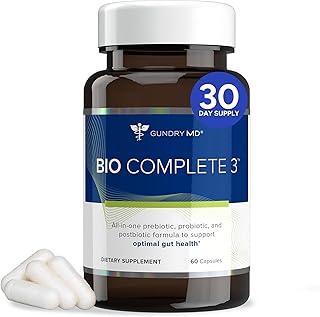
In the crowded world of gut health supplements, finding a product that delivers on its promises can feel like searching for a needle in a haystack. Among the many options, Bioma has emerged as a popular choice, generating significant buzz and a wide range of Bioma reviews from users across the health and wellness community. This article aims to cut through the noise and provide a detailed, unbiased analysis based on ingredient scrutiny, scientific backing, and aggregated user feedback. Whether you're struggling with digestive discomfort, seeking better nutrient absorption, or simply aiming to support your overall microbiome, understanding what Bioma offers is the first step.
Our exploration into Bioma isn't just about listing pros and cons; it's about building authority on the topic of probiotic supplements. We'll delve into the core philosophy behind the formula, examine how it claims to differ from standard probiotics, and assess whether the experiences shared in various Bioma Reviews align with the science. By the end of this review, you'll have a clear, comprehensive picture to inform your decision.
What is Bioma? Understanding the Formula
Bioma positions itself not merely as a probiotic but as a comprehensive gut health solution. The core idea is to address multiple facets of digestive wellness with a single supplement. Unlike many products that focus solely on introducing beneficial bacteria, Bioma's formula is typically described as a synergistic blend designed to restore balance, repair the gut lining, and eliminate harmful pathogens.
The supplement often combines several key components: specific probiotic strains chosen for their researched benefits, prebiotics to feed the good bacteria, and postbiotics or other compounds aimed at reducing gut inflammation. This multi-targeted approach is central to many positive user Reviews, where individuals report improvements not just in digestion but also in energy levels, skin clarity, and immune function—outcomes often linked to a healthier gut.
Analyzing Bioma Reviews: What Are Real Users Saying?
Scouring through countless Bioma reviews reveals a spectrum of experiences, which is common for any supplement affecting the complex ecosystem of the gut. A significant portion of users report positive outcomes, particularly those who started with noticeable digestive issues like bloating, irregularity, or gas. Many testimonials highlight a reduction in these symptoms within a few weeks of consistent use, citing a feeling of "lighter" digestion and more predictable bowel movements.
However, a balanced review must also acknowledge the less enthusiastic feedback. Some users report minimal to no change in their symptoms, while a small number mention initial adjustment periods with increased gas or discomfort—a phenomenon sometimes called a "die-off" reaction as the microbiome changes. The variance in experiences underscores a critical point in gut health: individual biology, diet, lifestyle, and initial gut flora composition play massive roles in determining outcomes. What works wonders for one person may be ineffective for another.
Common Themes in Positive Feedback
Among the positive Bioma reviews, several recurring themes stand out. Users frequently praise the convenience of an all-in-one formula, eliminating the need to purchase separate probiotics, prebiotics, and digestive enzymes. Improved bloating relief is one of the most commonly cited benefits, especially after meals. Others note a positive impact on sugar cravings, suggesting the supplement may help balance gut bacteria linked to appetite regulation. These consistent reports across different user platforms add a layer of credibility to the product's claims.
The Science Behind the Claims: Probiotics, Prebiotics, and Postbiotics
To evaluate Bioma objectively, we must look at the science of its purported ingredients. High-quality probiotics are strain-specific, meaning the benefits of *Lactobacillus acidophilus* are not the same as those of *Bifidobacterium longum*. A thorough review of Bioma should identify the specific strains used and their clinically studied dosages (measured in Colony Forming Units or CFUs). Research supports the use of certain strains for conditions like irritable bowel syndrome (IBS), antibiotic-associated diarrhea, and overall immune support.
Prebiotics, typically fibers like inulin or fructooligosaccharides (FOS), are the fuel for probiotics. Their inclusion is crucial for the survival and colonization of the beneficial bacteria. Furthermore, the emerging category of postbiotics—metabolic byproducts of probiotics like short-chain fatty acids—are gaining attention for their anti-inflammatory and gut-barrier-strengthening properties. If Bioma effectively combines these three elements (pro-, pre-, and postbiotics), it aligns with a modern, holistic understanding of gut health management.
Who Might Benefit Most from Trying Bioma?
Based on the aggregation of user experiences and the formula's design, certain individuals may be more likely to notice benefits. Those with general digestive unease—bloating, occasional constipation or diarrhea, and gas—often form the core group of satisfied reviewers. People looking to support their gut health after a course of antibiotics, which can decimate good bacteria, might also find a comprehensive supplement like Bioma particularly useful for restoration.
Additionally, individuals on a standard Western diet, high in processed foods and low in fiber, may have a microbiome in need of diverse support. For them, a product that supplies both new bacteria and the food they need to thrive could kickstart a positive change. However, it's always recommended to consult with a healthcare provider before starting any new supplement regimen, especially for those with diagnosed digestive conditions like SIBO (Small Intestinal Bacterial Overgrowth), IBD, or severe allergies.
Potential Drawbacks and Considerations
No review is complete without a realistic look at potential downsides. First is cost; as an all-in-one specialty formula, Bioma often carries a higher price tag than basic probiotic pills. Users must weigh this against the potential convenience and effectiveness. Second, as mentioned, results are not universal. The "adjustment period" can be a real hurdle for some.
Third, the transparency of the label is paramount. Consumers should be able to see a full list of strains, their CFU count at the time of manufacture (and ideally through expiration), and all other ingredients. A lack of this detail in marketing materials is a red flag. Finally, supplements are not magic pills. The most positive Bioma reviews typically come from users who also made supportive dietary changes, such as increasing water and fiber intake and reducing inflammatory foods.
Final Verdict: Are Bioma Reviews Justified?
After a deep dive into the available information and user testimonials, our analysis suggests that Bioma presents a theoretically sound approach to gut health. Its potential strength lies in its combination therapy, targeting gut flora from multiple angles rather than just adding more bacteria. The volume of positive user experiences, particularly regarding bloating and digestive comfort, indicates that for a substantial subset of users, the product delivers tangible benefits.
However, the key takeaway from any honest review is that individual results will vary. Bioma appears to be a legitimate option worth considering for those seeking a comprehensive gut health supplement and who are willing to invest in a higher-tier product. As with any health decision, pairing it with a gut-friendly lifestyle will maximize your chances of success. We encourage you to read a wide range of Bioma Reviews and consult your healthcare provider to see if it aligns with your personal health goals.