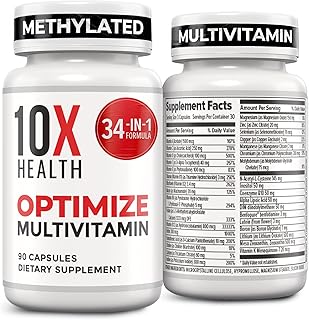
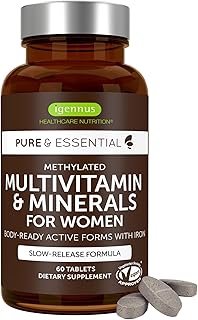
In the world of nutritional supplements, the term "methylated multivitamin" is gaining significant traction among health-conscious individuals and practitioners. But what exactly sets it apart from a standard multivitamin? At its core, a methylated multivitamin is specifically formulated with nutrients in their bioavailable, active forms—most notably, methylated B vitamins like folate (as L-methylfolate) and B12 (as methylcobalamin). This design is crucial because it bypasses the need for the body to convert these vitamins into usable forms, a process that can be inefficient or impaired in many people due to genetic variations like MTHFR mutations. For those seeking a supplement that their body can readily use, exploring a high-quality methylated multivitamin can be a transformative step toward better health.
What is Methylation and Why Does It Matter?
To understand the importance of a methylated multivitamin, we must first delve into the biochemical process of methylation. Think of methylation as a fundamental "on-off switch" for countless functions in your body. It's a simple chemical reaction where a methyl group (one carbon atom and three hydrogen atoms) is transferred from one molecule to another. This process is involved in:
- DNA Repair and Gene Expression: Methylation helps regulate which genes are turned on or off, playing a critical role in cellular health and longevity.
- Neurotransmitter Production: It is essential for creating serotonin, dopamine, and melatonin, directly impacting mood, sleep, and cognitive function.
- Detoxification: Methylation supports the liver's ability to process and eliminate toxins, hormones, and metabolic waste.
- Immune Function: It helps regulate the immune response and inflammation.
- Energy Production: Methylation is a key player in the Krebs cycle, the process that generates cellular energy (ATP).
When methylation is suboptimal, these vital systems can falter, leading to a wide array of potential health issues, from chronic fatigue and brain fog to mood disorders and an increased risk of chronic disease. This is where the form of nutrients you consume becomes paramount.
The Problem with Standard Multivitamins: Synthetic vs. Active Forms
Many conventional multivitamins contain synthetic, inactive forms of key B vitamins. The most common examples are folic acid (synthetic folate) and cyanocobalamin (a synthetic form of B12). For individuals with efficient methylation pathways, the body can convert these into their active forms—5-MTHF (folate) and methylcobalamin (B12). However, a significant portion of the population has genetic polymorphisms, like the MTHFR mutation, which can reduce the efficiency of this conversion by up to 70%.
This inefficiency means that even if you're taking a supplement, your cells might not be receiving the bioactive nutrients they need. Unmetabolized folic acid can even circulate in the bloodstream, potentially causing its own set of issues. A methylated multivitamin solves this problem by delivering nutrients that are "ready-to-use," ensuring your body can benefit from them regardless of your genetic makeup.
Key Ingredients in a High-Quality Methylated Multivitamin
Not all methylated formulas are created equal. When evaluating a methylated multivitamin, look for these critical bioactive nutrients:
1. Folate as L-Methylfolate (5-MTHF)
This is the active, bioavailable form of folate that crosses the blood-brain barrier. It's essential for DNA synthesis, red blood cell formation, and neurotransmitter balance. It's the preferred form for anyone, but especially crucial for those with MTHFR variants.
2. Vitamin B12 as Methylcobalamin and/or Adenosylcobalamin
Methylcobalamin is the active form that supports the nervous system and homocysteine metabolism. Adenosylcobalamin is the form used in the mitochondria for energy production. A comprehensive formula may include both.
3. Vitamin B6 as P-5-P (Pyridoxal-5-Phosphate)
P-5-P is the active coenzyme form of B6, necessary for over 100 enzyme reactions, including amino acid metabolism and the production of neurotransmitters like GABA.
4. Other Methylation Support Cofactors
A robust formula will also include nutrients that work synergistically in the methylation cycle, such as:
- Trimethylglycine (TMG or Betaine): Donates methyl groups and helps recycle homocysteine.
- Zinc and Magnesium: Essential minerals that act as cofactors for methylation enzymes.
- Riboflavin (Vitamin B2): Crucial for activating B6 and folate.
A product like the B160 Methylated Multivitamin typically incorporates these premium forms to ensure comprehensive support.
Who Should Consider Taking a Methylated Multivitamin?
While anyone can benefit from the superior bioavailability of active nutrients, certain groups may find a methylated multivitamin particularly advantageous:
- Individuals with Known MTHFR or COMT Gene Mutations: This is the primary audience. Genetic testing can reveal these variants.
- Those with Chronic Fatigue or Low Energy: Since methylation is central to energy production, supporting it can help address underlying causes of fatigue.
- People Experiencing Mood Issues: Anxiety, depression, and irritability can be linked to poor neurotransmitter synthesis, which depends on methylation.
- Women Planning for Pregnancy or Who Are Pregnant: Adequate bioactive folate is critical for preventing neural tube defects and supporting fetal development.
- Individuals with High Homocysteine Levels: Elevated homocysteine is a marker of impaired methylation and a risk factor for cardiovascular and cognitive issues.
- Anyone Over 50: Nutrient absorption and enzymatic efficiency naturally decline with age.
Potential Benefits of Switching to a Methylated Formula
Making the switch from a standard multivitamin to a methylated one can yield noticeable differences for many people. Reported benefits include:
- Sustained Energy Levels: By directly supporting mitochondrial function and reducing the metabolic "burden" of conversion.
- Improved Mental Clarity and Mood: Due to better synthesis of key neurotransmitters like serotonin and dopamine.
- Enhanced Detoxification: Feeling less burdened by environmental toxins or hormonal fluctuations.
- Better Stress Resilience: Methylation supports adrenal function and the production of stress-modulating chemicals.
- Optimal Cellular Function: Supporting DNA repair and gene regulation at the most fundamental level.
How to Choose the Right Methylated Multivitamin
With growing popularity, more options are available. Here’s a checklist for selection:
- Check the Forms: Ensure folate is listed as L-Methylfolate, Quatrefolic, or 5-MTHF (not folic acid). B12 should be methylcobalamin and/or adenosylcobalamin.
- Assess the Dosages: Look for clinically relevant doses, not just token amounts. The B160 formula, for instance, is designed to provide meaningful levels of each nutrient.
- Consider Additional Support: Does it include cofactors like TMG, zinc, and magnesium for a comprehensive approach?
- Evaluate the Brand's Reputation: Choose brands committed to third-party testing for purity and potency.
- Start Low and Go Slow: If you are new to methylated nutrients, begin with a lower dose to allow your body to adjust, as some people can be sensitive initially.
The Synergy of Diet and Supplementation
While a methylated multivitamin is a powerful tool, it works best as part of a holistic strategy. A diet rich in methylation-supportive foods provides the foundational building blocks. These include:
- Leafy Green Vegetables: Spinach, kale, and romaine lettuce (for natural folate).
- High-Quality Proteins: Eggs, grass-fed meat, and legumes (sources of methionine and B vitamins).
- Beets and Cruciferous Vegetables: Beets are a source of betaine, while broccoli and cauliflower support detox pathways.
- Seeds and Nuts: Sunflower seeds and almonds provide magnesium and other minerals.
Supplementation fills the gaps that diet and genetics may leave open, ensuring your methylation engine runs smoothly.
Conclusion: Empowering Your Health at the Cellular Level
Investing in a methylated multivitamin is more than just taking a daily supplement; it's a strategic decision to support one of your body's most essential biochemical processes. By providing nutrients in their pre-activated forms, you remove a potential barrier to wellness, ensuring your cells have the raw materials they need for energy production, mood regulation, detoxification, and longevity. Whether you have known genetic considerations or are simply seeking the most bioavailable supplement option, a high-quality methylated multivitamin represents a modern, science-backed approach to foundational health. As always, consult with a healthcare provider familiar with nutrigenomics to tailor this approach to your individual needs, and embark on a path to feeling your best from the inside out.