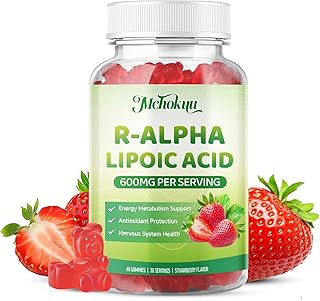
In the world of dietary supplements, few compounds have garnered as much attention from both the wellness community and scientific researchers as Alpha Lipoic Acid (ALA). Often hailed as a "universal antioxidant," this naturally occurring molecule plays a crucial role in cellular energy production and defense. However, with popularity comes misinformation. This guide will cut through the noise, providing you with a clear, evidence-based look at ALA's true benefits, its practical applications, and the common mistakes people make when incorporating it into their health regimen.
What is Alpha Lipoic Acid?
Alpha Lipoic Acid is a sulfur-containing compound that is both water- and fat-soluble, a rare trait among antioxidants. This unique property allows it to work in nearly every cell and tissue in the body. Unlike vitamins that must be obtained from food, the body can produce small amounts of ALA. It functions primarily as a cofactor for mitochondrial enzymes involved in converting nutrients into energy (ATP). Beyond its metabolic role, its potent antioxidant activity is what makes it a standout supplement, as it helps regenerate other critical antioxidants like vitamins C and E, and glutathione.
The Proven Benefits of Alpha Lipoic Acid
1. Powerful Antioxidant and Anti-Inflammatory Effects
The primary claim to fame for Alpha Lipoic Acid is its antioxidant capacity. Oxidative stress, caused by an imbalance between free radicals and antioxidants, is linked to aging and numerous chronic diseases. ALA neutralizes free radicals in both fatty and watery regions of cells, providing comprehensive protection. Studies have consistently shown its ability to reduce markers of inflammation, such as C-reactive protein (CRP), which is beneficial for overall systemic health.
2. Supports Healthy Blood Sugar Metabolism
One of the most well-researched applications of ALA is in supporting healthy blood sugar levels. It appears to enhance the body's sensitivity to insulin, the hormone responsible for ushering glucose into cells. Clinical trials, particularly those using intravenous ALA, have demonstrated significant benefits for nerve function and symptoms in individuals concerned with blood sugar balance. This makes Alpha Lipoic a subject of great interest in metabolic health circles.
3. Promotes Nerve Health and Function
Linked to the point above, ALA's antioxidant properties are particularly protective for nerve cells (neurons). Nerves are susceptible to oxidative damage, and ALA helps safeguard their structure and function. This neuroprotective effect is why it is so frequently studied and recommended for supporting peripheral nerve health, especially in contexts of metabolic stress.
4. May Enhance Skin Health
When applied topically or taken orally, ALA can benefit the skin. As an antioxidant, it fights free radicals generated by UV exposure and pollution. Some research suggests it may help reduce fine lines and improve skin texture by supporting collagen integrity. Its anti-inflammatory properties can also calm skin conditions like redness.
5. Supports Cognitive Function
By protecting brain cells from oxidative damage and supporting mitochondrial function in neurons, ALA shows promise for cognitive health. While more research is needed in humans, its ability to cross the blood-brain barrier allows it to exert antioxidant effects directly in the brain, making it a compelling nutrient for long-term brain support.
Common Mistakes and How to Avoid Them
Despite its benefits, improper use of Alpha Lipoic Acid can lead to suboptimal results or even side effects. Here are the key pitfalls to steer clear of.
Mistake #1: Taking the Wrong Dosage
More is not always better. For general antioxidant support, doses between 300-600 mg per day are common. For specific applications related to metabolic and nerve health, studies often use 600-1800 mg daily, sometimes under medical supervision. Starting with a high dose can cause stomach upset. Recommendation: Begin with a lower dose (100-300 mg) and gradually increase based on tolerance and need.
Mistake #2: Ignoring the R-ALA vs. S-ALA Forms
This is a critical distinction most people miss. Supplemental ALA is usually a 50/50 mix of two mirror-image forms: R-ALA (the natural, bioactive form) and S-ALA. R-ALA is significantly more potent and bioavailable. Many standard supplements contain the cheaper, mixed form. Recommendation: For enhanced efficacy, seek out supplements specifically labeled as "R-Lipoic Acid" or "R-ALA."
Mistake #3: Poor Timing of Consumption
ALA can have a mild blood-sugar-lowering effect. Taking a high dose on an empty stomach, especially if you are not eating shortly after, can sometimes lead to lightheadedness or hypoglycemia in sensitive individuals. Recommendation: Take your Alpha Lipoic Acid supplement with a meal or a small snack to mitigate this risk and improve fat-soluble absorption.
Mistake #4: Expecting Immediate, Miraculous Results
ALA works at the cellular level to combat oxidative stress and support metabolism. These are foundational, long-term processes. Expecting dramatic changes in days or weeks is unrealistic. Recommendation: Commit to consistent supplementation for at least 2-3 months to properly assess its effects on your energy levels, skin, or overall well-being.
Mistake #5: Overlooking Potential Interactions
Because ALA can influence blood sugar and mineral metabolism, it may interact with certain medications. For instance, it could potentially enhance the effect of diabetes medications, leading to hypoglycemia. It may also bind to minerals like iron and biotin. Recommendation: If you are on medication for diabetes, thyroid issues, or chemotherapy, or if you have a mineral deficiency, consult your healthcare provider before starting ALA.
How to Incorporate Alpha Lipoic Acid Effectively
To get the most out of your supplement, follow these best practices:
- Choose the Right Form: Opt for R-Lipoic Acid (R-ALA) for superior bioavailability, or a stabilized form like sodium R-lipoate.
- Pair Synergistically: ALA works well with other antioxidants like Acetyl-L-Carnitine, CoQ10, and Vitamin C for enhanced mitochondrial and antioxidant support.
- Consistency is Key: Take your supplement daily with food for best absorption and tolerance.
- Store Properly: Keep ALA supplements in a cool, dark place, as the compound is sensitive to light and heat.
Conclusion: A Powerful Tool for Cellular Health
Alpha Lipoic Acid is a remarkably versatile and potent antioxidant with proven benefits for metabolic health, nerve function, and overall cellular protection. However, its effectiveness hinges on informed use. By choosing the correct form (R-ALA), adhering to a sensible dosage, taking it with meals, and managing expectations, you can safely harness its benefits while avoiding common pitfalls. Whether you are looking to support healthy aging, metabolic function, or skin vitality, ALA, when used correctly, can be a valuable component of a comprehensive wellness strategy. Always remember to integrate such supplements into a lifestyle built on a balanced diet and regular exercise for foundational health.