For centuries, the molcajete has been the heart of the traditional Mexican kitchen, a tool that transforms simple ingredients into complex, soulful flavors. More than just a granite mortar and pestle, it's a culinary heirloom. Today, modern kitchens are rediscovering the unmatched texture and depth of flavor that only grinding by hand in a natural stone vessel can provide. Whether you're crafting the perfect guacamole, a vibrant salsa, or grinding fresh spices, understanding this tool is key to unlocking its full potential.
What is a Molcajete? Beyond the Basic Mortar and Pestle
Traditionally, a molcajete is carved from a single block of porous volcanic rock (basalt). Its modern counterpart, often made from solid granite, serves the same essential function: a sturdy, textured bowl (the molcajete) and a grinding stone (the tejolote or pestle). The defining characteristic is the rough, unpolished interior surface. Unlike smooth ceramic or marble mortars, this texture is crucial. It acts like microscopic teeth, gripping and tearing apart ingredients rather than simply crushing them. This action releases oils and juices in a way that blenders and food processors cannot replicate, creating emulsified sauces and pastes with a superior, rustic consistency and more integrated flavors.
Choosing Your Perfect Molcajete: Key Features to Consider
Not all mortars are created equal. Selecting the right one ensures it becomes a joy to use for years to come. Here are the critical factors to evaluate.
1. Material: Granite vs. Traditional Volcanic Rock
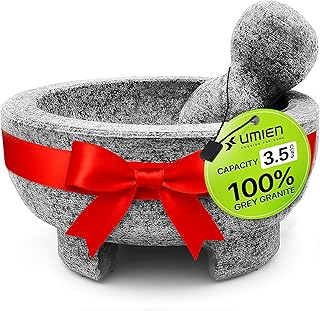
While authentic volcanic rock is prized, high-quality granite is an excellent, often more consistent and durable alternative. Look for a solid, single-piece construction without cracks or seams. A great example of a well-crafted modern take is the Umien 8-Inch Granite Mortar and Pestle Set. Its unpolished, natural granite interior provides the essential grinding texture, while its substantial weight prevents slipping during vigorous use. The material choice impacts heft, porosity, and even heat retention, all contributing to the grinding process.
2. Size and Capacity: Finding the Right Fit
Size matters for both utility and storage. An 8-inch diameter with a 3.5-cup capacity, like the one mentioned, is a versatile kitchen gift and a practical workhorse for most home cooks. It's large enough to comfortably make a batch of guacamole for four or grind a quarter-cup of whole spices without spillage, yet compact enough to store on a countertop or in a cabinet. Consider your typical batch sizes before deciding.
3. Design and Added Value
Thoughtful design elements enhance functionality. A stable, non-slip base is non-negotiable for safety and control. Some sets, recognizing the molcajete's role as the ultimate guacamole maker, include a bonus avocado tool—a clever addition that shows an understanding of the user's needs. The pestle should fit comfortably in your hand, with a shape that allows for both pounding and circular grinding motions.
The Non-Negotiable First Step: How to Season Your Molcajete
This is the most crucial ritual for any new natural stone grinder, especially granite or volcanic rock. Seasoning, or "curing," does two things: it removes any fine stone dust from the manufacturing process, and it begins to fill the porous surface with oils, creating a smoother, non-stick patina over time. Skipping this step will result in gritty, inedible food.
The Traditional Seasoning Process:
- Grind Uncooked Rice: Add a handful of dry, uncooked white rice to the bowl. Grind vigorously with the pestle until the rice turns into a gray, dusty powder. This abrasive action pulls out loose grit.
- Discard and Repeat: Discard the gray powder. Repeat the process with fresh rice until the ground powder remains mostly white, indicating the loose stone particles are gone. This may take 3-5 rounds.
- Grind Aromatics: Grind several cloves of garlic and some coarse salt into a paste. The salt acts as a further abrasive, while the garlic's oils start to seal the pores. Let this paste sit for several hours or overnight.
- Rinse and Dry: Rinse thoroughly with hot water only (no soap!). Scrub with a stiff brush. Allow it to air-dry completely. Your molcajete is now ready for its first real recipe.
Mastering the Technique: How to Use Your Molcajete
Using a molcajete is an art of gradual building. Start with the hardest, driest ingredients.
- Start with Dry Spices: Toast whole cumin, peppercorns, or cloves lightly for aroma, then grind them first into a fine powder. The rough surface of a dedicated spice grinder like this releases volatile oils intensely.
- Add Aromatics: Add garlic, onions, or chilies. The salt and moisture from these ingredients, combined with the existing spice powder, will begin to form a flavorful paste.
- Incorporate Soft Ingredients: Finally, add soft herbs, tomatoes, or avocado. The existing paste helps break these down quickly, creating a cohesive, textured sauce or dip.
Use a firm, circular motion with the pestle, pressing ingredients against the side of the bowl. Don't be afraid to use force for tough items like whole spices.
From Guacamole to Pesto: Culinary Applications
The molcajete's versatility is astounding. It's far more than a one-trick pony.
- The Ultimate Guacamole: This is its signature dish. Grinding onion, jalapeño, cilantro, and salt first creates a flavor base that permeates the entire dip. The slightly coarse texture is authentic and perfect.
- Salsas & Mexican Moles: For a classic salsa verde or roja, charring tomatoes and tomatillos first, then grinding them in the molcajete, yields a smoky, rustic sauce unmatched by blending.
- Fresh Spice Blends & Pastes: Grinding whole spices for garam masala, curry pastes, or Thai curry bases ensures maximum freshness and oil integration.
- Herbaceous Creations: As a pesto mortar, it gently bruises basil, pine nuts, and garlic, creating a emulsified sauce with brighter flavor and better texture than a food processor's blade, which can bruise and oxidize the herbs.
- Marinades & Rubs: Create deeply flavored pastes for meats by grinding garlic, ginger, herbs, and spices with a little oil.
Care and Maintenance: Keeping Your Heirloom Tool in Prime Condition
Proper care ensures longevity and food safety. Never use soap. The porous stone will absorb it, tainting future foods. Clean immediately after use by scrubbing with hot water and a dedicated brush. For stubborn pastes, use coarse salt as a natural, abrasive scrubber. Always allow it to air-dry completely before storing to prevent mildew. Over time, the interior will darken and develop a beautiful, non-stick patina—this is a sign of a well-loved and properly seasoned tool.
Common Pitfalls and How to Avoid Them
Even with the best intentions, mistakes happen. Here's how to sidestep common errors:
- Gritty Results: The #1 complaint. Solution: You did not season it thoroughly. Go back and repeat the rice-grinding seasoning steps until no more gray dust appears.
- Sliding Bowl: A lightweight or smooth-bottomed mortar will dance on your counter. Solution: Place a damp kitchen towel or a non-slip silicone mat underneath it while grinding.
- Inefficient Grinding: Adding all ingredients at once. Solution: Always follow the order of operations: dry/hard ingredients first to create an abrasive paste base.
- Cracks or Stains: Avoid extreme temperature changes (don't pour boiling liquid directly into it) and never store acidic foods in it for long periods.
Why a Molcajete Belongs in Every Kitchen
In an age of high-speed appliances, the molcajete offers a return to intentional, sensory cooking. It connects you to your food, allowing you to control texture precisely—from coarse and chunky to silky smooth. The flavors it produces are deeper and more harmonious because the ingredients are literally fused together. Investing in a quality set, like a well-made granite mortar and pestle, isn't just buying a tool; it's investing in a richer culinary experience. It teaches patience, technique, and delivers a taste of authenticity that no machine can replicate. Start with a simple guacamole, and you'll soon discover a world of flavor waiting to be ground into existence.


