Entering the mesmerizing world of contact juggling can be both exciting and confusing for beginners. One of the first questions that often arises is: "What's the difference between a Fushigi Ball and a standard acrylic contact juggling ball?" While both are beautiful tools for flow arts, meditation, and hand exercise, understanding their distinct characteristics is crucial for making the right choice. This guide will demystify these popular props, focusing on performance, value, and suitability for newcomers to the craft.
What is a Fushigi Ball? Understanding the Branded Magic
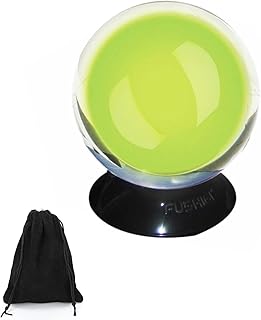
The term "Fushigi Ball" is often used generically, but it originally refers to a specific brand of contact juggling prop that gained fame through viral marketing and stage magic performances. The classic Fushigi is known for its reflective, mirror-like surface that creates an illusion of a floating, gravity-defying orb. This effect is achieved through a combination of a highly polished metal ball bearing inside a clear acrylic shell. The magic lies in the visual trickery; as the inner bearing rolls, it catches and reflects light in a way that makes the entire ball appear to float independently in the performer's hands.
Acrylic Contact Juggling Balls: The Pure Flow Arts Tool
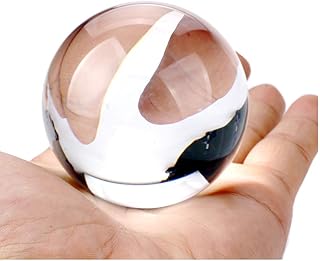
In contrast, a standard acrylic juggling ball, like the DSJUGGLING Clear Acrylic Contact Juggling Ball, is designed primarily for the physical art of contact juggling, not illusion. These are solid, precision-machined spheres made from high-quality, optical-grade acrylic. Their purpose is to provide a smooth, predictable, and responsive surface for rolls, isolations, palm spins, and body rolls. The clarity of the acrylic allows for beautiful light play, but the visual effect is more about the fluid movement of a tangible object than an optical illusion. For many practitioners, this makes them an ideal practice juggling ball for developing real skill.
Key Differences: Performance and Feel
When you hold them, the difference is immediately apparent. A traditional Fushigi has a distinct weight distribution due to its internal bearing. This can make certain moves, like palm spins or continuous arm rolls, feel slightly different and sometimes less stable compared to a solid acrylic ball. The DSJUGGLING acrylic ball, being a single, solid piece, offers consistent balance and a more direct connection between your hand movements and the ball's motion. This predictable feedback is often cited as a major advantage for beginners juggling who are trying to build muscle memory and clean technique.
Choosing the Right Ball for Beginners: A Practical Comparison
So, which one should a beginner choose? Let's break it down by your primary goal.
For Learning Authentic Contact Juggling Skills: If your aim is to master the foundational techniques of contact juggling—the butterfly, the palm spin, the chest roll—a solid acrylic ball is typically the recommended starting point. Tools like the clear acrylic contact juggling ball in 85mm or 90mm provide the stable, reliable performance needed to learn. The 90mm size is often perfect for those with larger hands, offering more surface area for control. The lack of internal moving parts means every wobble or drop is a direct result of your technique, providing clear feedback for improvement.
For Visual Performance and Illusion Magic: If you are drawn to the art form primarily for its visual spectacle and want to create the "floating ball" illusion popularized online, the classic Fushigi Ball design is engineered for that specific purpose. The reflective inner core is key to the effect. However, it's important to note that performing these illusions smoothly still requires significant practice and hand control.
Durability and Value Considerations
Durability is a major factor for beginners who are likely to drop their prop frequently. A high-quality solid acrylic ball is extremely durable and resistant to scratches from typical practice on hard floors. The internal mechanism of some illusion balls can theoretically be damaged by severe impacts, though they are generally robust. From a value perspective, a dedicated practice juggling ball like the DSJUGGLING model often offers a more cost-effective entry into the hobby, allowing you to invest in a reliable tool without the premium associated with a branded illusion prop.
Beyond Juggling: Meditation and Hand Exercise
Both types of balls excel as tools for mindfulness and physical therapy. The slow, focused manipulation of a meditation ball can be deeply calming, aiding in stress reduction and improving concentration. As a hand exercise tool, they strengthen finger dexterity, wrist flexibility, and overall hand-eye coordination. The smooth, cool surface of a clear acrylic ball is particularly pleasant for this sensory-focused use. The repetitive, flowing motions can benefit anyone, from office workers combating repetitive strain to musicians looking to warm up their hands.
Getting Started: Your First Steps with an Acrylic Ball
If you've decided a solid acrylic ball is the right path, here's how to begin. Start with the basic "palm cradle," simply balancing the ball in the cup of your hand. Focus on relaxing your hand and letting the ball find its natural equilibrium. Next, practice the "finger roll," gently rolling the ball across your fingertips. Use a soft surface like a bed or carpet for these initial drills to build confidence without fear of damaging your ball or the floor. Remember, progress in contact juggling is measured in patience and consistent, mindful practice, not rapid tricks.
Why the DSJUGGLING Acrylic Ball is a Smart Beginner Choice
The DSJUGGLING Clear Acrylic Ball embodies the qualities ideal for a novice. Its optical clarity is not just aesthetically pleasing; it allows you to see exactly how the ball is interacting with your hand, which is invaluable for correcting technique. The availability of two sizes (85mm and 90mm) lets you choose based on your hand size for optimal control. As a single, purpose-built flow arts prop, it removes the variables introduced by internal mechanisms, letting you focus purely on developing the fundamental muscle memory and flow state that define the art.
Final Verdict: Illusion vs. Foundation
In the end, the choice between a Fushigi-style illusion ball and a solid acrylic contact juggling ball comes down to your primary intent. For building a strong, technical foundation in the physical art of contact juggling, a high-quality acrylic ball is the unequivocal tool of choice. It provides the honest feedback, durability, and predictable performance that accelerates skill acquisition. For those specifically enchanted by the floating illusion and stage magic aspect, the classic design has its unique appeal. However, many flow artists find that mastering the real techniques with a tool like the DSJUGGLING acrylic ball ultimately grants a deeper, more satisfying mastery—one where the magic isn't an illusion, but the very real, fluid poetry of motion created by your own hands.