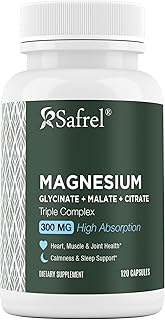
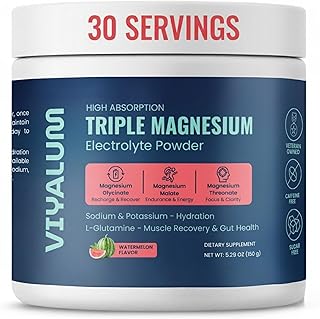
In the vast world of dietary supplements, magnesium stands out as a critical mineral involved in over 300 biochemical reactions in the body. Yet, with so many forms available—citrate, glycinate, oxide—it's easy to feel overwhelmed. One form that has gained significant attention for its unique properties is magnesium malate. This comprehensive guide will delve deep into Magnesium Malate, exploring its science-backed benefits, optimal usage, and how it compares to other popular forms to help you make an informed decision for your health.
What is Magnesium Malate?
Magnesium malate is a compound formed by chelating elemental magnesium with malic acid. Malic acid is a natural substance found in many fruits, particularly apples, and is a key player in the Krebs cycle—the body's primary energy production pathway. This specific combination is what gives magnesium malate its distinctive profile. Unlike magnesium oxide, which is poorly absorbed, the malate form offers enhanced bioavailability, meaning your body can utilize more of the magnesium you consume. For those exploring different Magnesium Malate options, understanding this chelated structure is the first step.
Top Science-Backed Benefits of Magnesium Malate
1. Enhanced Energy Production and Reduction of Fatigue
The synergy between magnesium and malic acid is particularly potent for energy metabolism. Magnesium is a cofactor for enzymes that produce ATP (adenosine triphosphate), the body's cellular energy currency. Malic acid is a crucial intermediate in the Krebs cycle, where nutrients are converted into ATP. Research, including studies on conditions like fibromyalgia and chronic fatigue syndrome, suggests that supplementing with magnesium malate can help reduce feelings of tiredness and improve overall energy levels by supporting these fundamental metabolic processes.
2. Support for Muscle Function and Recovery
Magnesium is essential for proper muscle contraction and relaxation. It helps regulate calcium flow in muscle cells—a process vital for preventing cramps, spasms, and tension. The malic acid component may further aid in post-exercise recovery by helping to clear lactic acid, a byproduct of intense exercise that contributes to muscle soreness. Athletes and individuals with an active lifestyle often find Magnesium Malate beneficial for maintaining muscle comfort and performance.
3. Promotes Detoxification and Cellular Health
Malic acid has been studied for its potential role in detoxification processes, particularly in binding to toxic metals like aluminum. Magnesium, on the other hand, supports the body's natural detox pathways in the liver. Together, they may offer a supportive role in promoting cellular health and reducing the body's toxic burden, although more research is needed in this specific area.
4. May Aid in Managing Fibromyalgia and Chronic Pain
Some of the most compelling research on magnesium malate centers on fibromyalgia, a condition characterized by widespread musculoskeletal pain and fatigue. A notable study published in the Journal of Nutritional Medicine found that patients with fibromyalgia who took magnesium malate experienced a significant reduction in pain and tenderness. The theory is that it helps correct a underlying cellular energy deficit common in such conditions.
Magnesium Malate vs. Other Common Forms
Choosing the right magnesium depends on your primary health goal. Here’s a quick comparison:
- Magnesium Citrate: Excellent for relieving occasional constipation due to its strong osmotic effect. Highly bioavailable but may cause loose stools at higher doses.
- Magnesium Glycinate: Bound to glycine, an amino acid with calming properties. Renowned for its high absorption and minimal gastrointestinal upset, it's often the top choice for anxiety, sleep support, and correcting a deficiency.
- Magnesium Oxide: Contains a high amount of elemental magnesium but has very low bioavailability. Primarily used as a laxative.
- Magnesium Malate: As discussed, its unique strength lies in energy production and muscle support. It is well-absorbed and generally gentle on the stomach, making it ideal for daytime use. When considering a supplement from the Magnesium Malate category, this energy-focused profile is a key differentiator.
Optimal Dosage and How to Take It
Dosage depends on individual needs, dietary intake, and the specific reason for supplementation. The Recommended Dietary Allowance (RDA) for magnesium is 310-420 mg for adults, but this refers to total elemental magnesium from all sources.
- General Wellness/Energy Support: 200-400 mg of elemental magnesium (from magnesium malate) daily, often split into two doses with meals.
- Specific Conditions (e.g., Fibromyalgia): Some protocols use higher doses, such as 1200-2400 mg of malic acid combined with 300-600 mg of elemental magnesium, but this should only be undertaken under medical supervision.
It's crucial to read the supplement label to determine how much elemental magnesium a serving provides, not just the total compound weight. Starting with a lower dose and gradually increasing allows your body to adjust and minimizes the risk of side effects like diarrhea. Taking it with food can enhance absorption and reduce stomach discomfort.
Potential Side Effects and Safety Considerations
Magnesium Malate is generally well-tolerated. The most common side effects are gastrointestinal, such as diarrhea, nausea, or stomach cramps, especially if taken on an empty stomach or at too high a dose initially. To avoid this, always follow dosage instructions and consider taking it with a meal.
Individuals with kidney disease should avoid magnesium supplementation unless explicitly directed by a doctor, as impaired kidneys cannot excrete excess magnesium efficiently. It can also interact with certain medications, including antibiotics (like tetracyclines and quinolones), bisphosphonates (for osteoporosis), and muscle relaxants. As with any new supplement, consulting with a healthcare professional is paramount, particularly if you have a pre-existing health condition or are taking other medications.
Who Should Consider Taking Magnesium Malate?
This form of magnesium may be particularly beneficial for:
- Individuals experiencing persistent low energy or fatigue unrelated to sleep issues.
- People with muscle tension, cramps, or who engage in regular physical activity.
- Those seeking general metabolic and cellular health support.
- Anyone whose diet is low in magnesium-rich foods (leafy greens, nuts, seeds, legumes).
If your primary concerns are sleep or anxiety, magnesium glycinate might be a more targeted choice. For occasional constipation, citrate is often recommended.
Conclusion: Is Magnesium Malate Right for You?
Magnesium Malate presents a compelling option within the spectrum of magnesium supplements. Its unique marriage of magnesium with malic acid offers targeted support for energy production, muscle function, and overall metabolic health. It is a well-absorbed form that is typically gentle on the digestive system when taken appropriately.
When selecting any magnesium supplement, including those in the Magnesium Malate family, prioritize quality. Look for products from reputable brands that undergo third-party testing for purity and potency. Remember, supplements are meant to complement, not replace, a balanced diet rich in whole foods. By understanding your specific health goals and how different forms of magnesium work, you can choose the one that best supports your journey to optimal wellness. Always partner with a healthcare provider to determine the right approach for your individual needs.