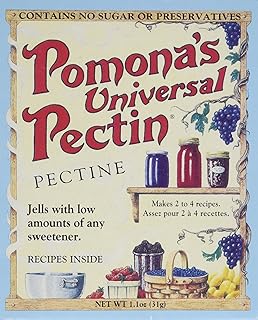
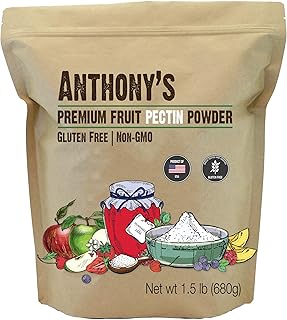
If you've ever made homemade jam or jelly, you've likely encountered pectin. This natural substance is the secret behind the perfect spreadable consistency, turning fruit and sugar into a delightful preserve. But pectin is more than just a kitchen staple for canners. It's a fascinating compound with a wide range of applications in food science, nutrition, and even pharmaceuticals. In this comprehensive guide, we'll peel back the layers on what pectin really is, explore its science-backed benefits, and show you how to master its use in your kitchen and beyond.
What is Pectin? The Science Behind the Gel
At its core, pectin is a type of soluble dietary fiber found naturally in the cell walls of fruits and vegetables. Chemically, it's a polysaccharide—a long chain of sugar molecules. Its primary role in nature is to provide structure and firmness to plant tissues. Think of it as the "glue" that holds plant cells together. When we extract this substance, we get a powder or liquid that has a remarkable superpower: it can form a gel when combined with sugar and acid under the right conditions. This gelling property is what makes it indispensable for creating jams, jellies, and marmalades that set properly instead of remaining runny.
Where Does Pectin Come From? Natural Sources and Production
Pectin is most abundant in citrus fruits and apples. Commercial pectin is typically derived from the dried peel of citrus fruits like oranges, lemons, and limes, or from apple pomace (the leftover pulp after juicing). The extraction process involves treating these by-products with hot water and an acid, then purifying and drying the resulting liquid into a powder. This is why you'll often see labels specifying "apple pectin" or "citrus pectin." The quality and gelling strength can vary slightly based on the source, but both are highly effective. Understanding its natural origin reinforces why it's considered a clean-label, plant-based ingredient, appealing to health-conscious consumers and home cooks alike.
Pectin in Your Kitchen: A Guide to Types and Uses
Not all pectin is created equal. Walking down the baking aisle, you might see several varieties, and choosing the right one is crucial for success.
High-Methoxyl (HM) Pectin
This is the most common type used in traditional high-sugar preserves. HM pectin requires a high concentration of sugar (usually 55% or more by weight) and a low pH (acidic environment) to form a gel. It's perfect for classic strawberry jam, grape jelly, or orange marmalade. The sugar and acid work together to dehydrate the pectin chains, allowing them to bond and create a firm network.
Low-Methoxyl (LM) Pectin
Also known as "no-sugar-needed" pectin, LM pectin gels in the presence of calcium ions, not sugar. This makes it ideal for low-sugar, sugar-free, or dietetic jams. You can use alternative sweeteners like honey, stevia, or agave. It's a game-changer for those looking to reduce their sugar intake without sacrificing the joy of homemade preserves.
Liquid vs. Powder Pectin
They are not interchangeable! Powdered pectin is typically mixed with the fruit *before* heating. Liquid pectin is added to the cooked fruit and sugar mixture *after* it has been brought to a boil. Always follow your recipe's specific instructions, as the timing of addition is critical for proper gelling.
Beyond the Jar: Surprising Uses and Benefits of Pectin
While jamming is its claim to fame, the utility of pectin extends far wider.
Health and Nutritional Benefits
As a soluble fiber, pectin offers several evidence-based health benefits:
- Digestive Health: It acts as a prebiotic, feeding the beneficial bacteria in your gut. This can improve overall gut health and regularity.
- Cholesterol Management: Studies suggest that pectin can bind to cholesterol in the digestive system, helping to lower LDL ("bad") cholesterol levels.
- Blood Sugar Control: The gel-forming property can slow down the absorption of sugars in the stomach, leading to more stable blood glucose levels after a meal.
- Detoxification Support: Some research indicates it may help bind to and promote the excretion of heavy metals and other toxins.
Industrial and Culinary Applications
In the food industry, pectin is a versatile texturizer and stabilizer. You'll find it in:
- Yogurts and Dairy Desserts: To provide a smooth, creamy mouthfeel and prevent whey separation.
- Fruit Preparations for Yogurts: To keep fruit pieces suspended evenly.
- Confectionery: In gummy candies and fruit chews as a gelling agent.
- Beverages: As a stabilizer in some juice drinks and smoothies to maintain a uniform texture.
Common Mistakes and How to Avoid Them (The "Pectin Pitfalls")
Even experienced cooks can run into issues with pectin. Here are the most common pitfalls and how to sidestep them:
1. The Runny Jam: This is often due to under-ripe fruit (which has more natural pectin), incorrect pectin-to-acid balance, or not achieving a full, rolling boil for long enough. Solution: Use a mix of ripe and under-ripe fruit, ensure you add enough lemon juice (acid), and follow boiling times precisely. A pectin calculator can help if you're creating your own recipe.
2. The Rubber Jam: An overly firm, rubbery texture usually means too much pectin was used. Solution: Measure your pectin carefully. More is not better.
3. Crystal Formation: Sugar crystals in your jam can result from undissolved sugar. Solution: Stir constantly while the sugar dissolves over low heat *before* bringing the mixture to a boil.
4. Using the Wrong Type: Substituting LM for HM pectin (or vice versa) without adjusting the recipe will lead to failure. Solution: Stick to the type specified, or use a recipe designed for the pectin you have.
DIY vs. Store-Bought: Do You Need to Add Pectin?
Many fruits, like apples, quinces, cranberries, and citrus peels, are naturally high in pectin and may set well with just sugar and acid. Berries, peaches, and cherries are lower in natural pectin. Adding commercial pectin offers key advantages: it ensures consistent results, allows you to use less sugar (with LM pectin), reduces cooking time (preserving more fresh fruit flavor and color), and increases your yield. For beginners, it's highly recommended to guarantee a successful set.
Conclusion: Embracing the Power of Pectin
From transforming seasonal fruit gluts into shelf-stable delights to contributing to gut health as a dietary fiber, pectin is a remarkably versatile and natural ingredient. Whether you're a home canning enthusiast looking for the perfect set, a health-conscious individual exploring soluble fibers, or simply curious about food science, understanding pectin opens up a world of possibilities. By choosing the right type and avoiding common mistakes, you can harness its gelling power to create not only beautiful preserves but also explore its broader potential in your culinary and wellness journey. So next time you see that box or bottle, you'll appreciate it as more than just a jam-maker—it's a tiny powerhouse of plant-based science.