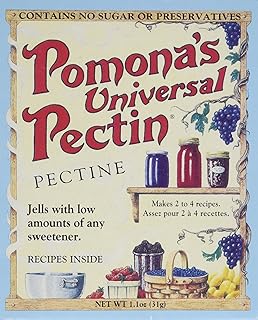
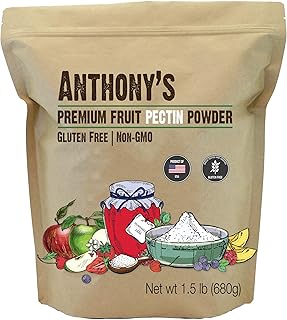
For anyone venturing into the rewarding world of home canning and preserving, achieving the perfect set for your jams, jellies, and marmalades is a top priority. That's where a key ingredient comes into play: pectin. This natural substance is the secret behind the delightful gel-like consistency we all love. But what exactly is it, and how do you use it effectively? This comprehensive guide will demystify pectin, focusing on the versatile and reliable pectin powder, and show you how to create shelf-stable, delicious preserves every time.
What is Pectin? The Natural Gelling Agent
Pectin is a type of soluble fiber found naturally in the cell walls of fruits and vegetables. It's most abundant in fruits like apples, citrus peels (especially lemons and oranges), quinces, and plums. When combined with sugar and acid (like lemon juice or citric acid) and heated, pectin undergoes a chemical reaction that causes it to form a gel. This gel network traps the liquid, giving jams and jellies their characteristic thick, spreadable texture. The amount of natural pectin varies greatly between fruits; high-pectin fruits like apples and citrus can often gel on their own with just sugar and acid, while low-pectin fruits like strawberries, peaches, and cherries usually need added pectin to achieve a proper set.
Pectin Powder vs. Liquid Pectin: Which Should You Use?
For home canners, pectin primarily comes in two forms: powder and liquid. While both achieve the same goal, they have different properties and usage methods. Pectin powder, like the Fruit Pectin Powder by Medley Hills Farm, is a versatile choice favored by many. It must be mixed with the fruit *before* cooking begins to prevent clumping. Powdered pectin allows for more flexibility with sugar levels, as some modern formulations are designed for low-sugar or no-sugar recipes. Liquid pectin is stirred into the boiling fruit mixture near the end of the cooking process. It generally requires a higher sugar content to activate properly. For consistent results, ease of use, and adaptability to various recipes, many experts recommend starting with a high-quality fruit pectin powder.
Why Choose a Premium Pectin Powder Like Medley Hills Farm?
Not all pectin powders are created equal. The quality of the pectin directly impacts the clarity, texture, and flavor of your final product. A premium option, such as the Fruit Pectin Powder from Medley Hills Farm, offers distinct advantages for the discerning home preserver.
- 100% Natural & Vegan: Sourced from non-GMO citrus peels, it contains no artificial additives, preservatives, or animal-derived products, making it a perfect vegan pectin choice.
- Consistent Performance: High-quality powder dissolves evenly and gels reliably, batch after batch, eliminating the guesswork and frustration of runny jam.
- Versatility: Ideal for a wide range of fruits, from berry jams to citrus marmalades. It's a true all-purpose canning pectin.
- Eco-Conscious Packaging: The 1.5 lb quantity in a reusable container is both economical and reduces waste, perfect for avid canners who go through multiple batches in a season.
- Made in the USA: Supporting domestic production with trusted quality standards.
A Step-by-Step Guide to Using Pectin Powder for Perfect Jam
Using pectin powder is straightforward once you know the basic method. Here's a universal guide to get you started. Always refer to the specific recipe and the instructions on your pectin package for best results.
Step 1: Prepare Your Ingredients and Equipment
You'll need ripe, fresh fruit, sugar (the amount will depend on your recipe and the type of pectin), lemon juice (for acid), your pectin powder, a large, heavy-bottomed pot, canning jars, lids, and a water bath canner. Prepare your jars by washing and sterilizing them in hot water.
Step 2: Mix the Pectin Powder
This is the crucial step that differs from liquid pectin. For every batch, measure the required amount of dry pectin powder (typically 1-2 tablespoons per cup of crushed fruit for most recipes). In a small bowl, mix the measured powder with about 1/4 cup of the sugar from your recipe. This helps distribute the powder and prevents it from clumping when it hits the liquid.
Step 3: Cook the Fruit and Add Pectin
Crush or chop your fruit and place it in the large pot. Stir in the lemon juice. Gradually whisk the sugar-pectin mixture into the cold or room-temperature fruit. This ensures even dispersion. Bring the mixture to a full, rolling boil over high heat, stirring constantly.
Step 4: Add Remaining Sugar and Boil
Once at a rolling boil, immediately stir in the remaining sugar all at once. Return the mixture to a full, rolling boil that cannot be stirred down. Boil hard for exactly 1 minute (or as specified on your pectin package), stirring continuously.
Step 5: Test for Set and Process
Remove the pot from heat. Skim off any foam. You can perform a "plate test" by placing a small spoonful on a chilled plate—if it wrinkles when pushed, it's set. Ladle the hot jam into hot, sterilized jars, leaving 1/4-inch headspace. Wipe rims, apply lids and bands, and process in a boiling water bath for 10 minutes (adjusting for altitude as needed).
Common Pectin Problems and Solutions
Even with the best natural pectin, things can sometimes go awry. Here's how to troubleshoot:
- Jam is Too Runny: This is usually due to undercooking, not enough acid, or inaccurate measuring of pectin, fruit, or sugar. You can often re-cook a runny batch by adding a bit more pectin and lemon juice.
- Jam is Too Stiff or Rubbery: This typically means too much pectin was used, or it was overcooked. Next time, reduce the pectin slightly.
- Crystals Form in the Jam: This can happen if the sugar wasn't fully dissolved. Ensure you stir vigorously when adding the main sugar charge.
- Pectin Clumped: This occurs when powdered pectin is added directly to hot liquid. Always mix it with sugar first and whisk it into the cold fruit mixture.
Beyond Jam: Creative Uses for Pectin Powder
While essential for jam making and jelly making, pectin powder's gelling properties have other culinary applications. It can be used to thicken fruit sauces, create glazes for pastries, make homemade fruit leather, or even stabilize yogurt parfaits. Its natural fiber content also makes it a valuable dietary supplement, though for culinary purposes, the focus remains on its transformative gelling power.
Conclusion: The Foundation of Successful Preserving
Understanding and correctly using pectin is the cornerstone of successful home preserving. By choosing a high-quality, reliable product like the Fruit Pectin Powder by Medley Hills Farm, you equip yourself with a tool that delivers consistent, excellent results. Whether you're making strawberry jam from your summer harvest or a tangy citrus marmalade in the winter, mastering pectin powder unlocks a world of delicious, shelf-stable creations. Start with a trusted pectin, follow the basic steps, and enjoy the sweet, satisfying results of your jam making endeavors.