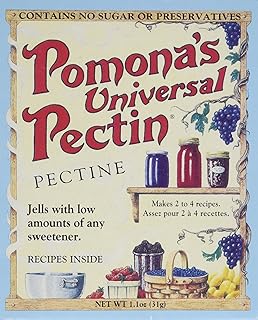
For home canning enthusiasts and health-conscious foodies alike, the quest for delicious, spreadable fruit preserves with less sugar has led to a game-changing ingredient: no sugar pectin. Traditional jam and jelly recipes often rely on massive amounts of sugar not just for sweetness, but as a crucial gelling agent. This can be a barrier for those managing sugar intake, preferring the natural taste of fruit, or simply looking for a lighter option. Enter specialized pectins designed to work with little to no added sugar, opening up a world of possibilities for healthier fruit preserves. This comprehensive guide will explore everything you need to know about this versatile product, from how it works to expert tips for flawless batches.
Before diving into the sugar-free world, it's essential to understand the foundational role of pectin. Pectin is a natural, soluble fiber found in the cell walls of fruits, particularly in citrus peels and apples. It's what gives jams and jellies their characteristic thick, spreadable texture. In traditional canning, sugar interacts with pectin and acid (from the fruit or added) to form a stable gel network. The high sugar concentration also acts as a preservative. No sugar or low sugar pectins are modified forms of this natural substance. They are engineered to create a gel with alternative sweeteners like honey, agave, fruit juice concentrates, or even artificial sweeteners, and often require less cooking time, which helps preserve the fresh flavor and color of the fruit.
Why Choose No Sugar or Low Sugar Pectin?
The benefits of switching to a specialized pectin extend far beyond just reducing sugar content. First and foremost, it allows the true, vibrant flavor of the fruit to shine through, without being masked by overwhelming sweetness. This is a boon for tart berries like raspberries or blackberries, or delicate fruits like peaches. For those with dietary restrictions related to diabetes, keto, or general wellness goals, it provides a safe and delicious way to enjoy homemade preserves. Furthermore, using a product like 71265 Pectin No Sugar Flex BTC often means greater flexibility. Many of these pectins are "flex batch," meaning you aren't locked into making a specific, large quantity and can adjust your recipe size more easily, reducing waste and encouraging experimentation.
Key Differences from Regular Pectin
Understanding how no-sugar pectin differs from its traditional counterpart is crucial for success. The most significant difference lies in the gelling chemistry. Regular pectin requires a specific balance of sugar, acid, and pectin to set. No-sugar pectins are formulated to gel with calcium, which is often provided by a small amount of calcium water or powder included in the package. This calcium-activated gelling is less dependent on sugar and acid levels, making it more forgiving and versatile. Another critical distinction is the cooking process. Recipes using no-sugar pectin typically involve bringing the fruit and pectin to a full boil *before* adding the sweetener (if any), then boiling for just a minute. This shorter cooking time is vital for achieving a good set and preserving flavor.
Choosing the Right Fruit and Sweeteners
Not all fruits are created equal when it comes to low-sugar jam. Fruits naturally high in pectin and acid, like citrus, apples, cranberries, and currants, are excellent candidates and may require less added pectin. Low-pectin fruits like strawberries, peaches, and pears will rely more heavily on the packaged pectin for a proper set. When it comes to sweeteners, the options are vast. You can use full-sugar amounts if desired, but the beauty is in the reduction. Popular choices include: liquid stevia or monk fruit drops for a zero-calorie option; erythritol or allulose for keto-friendly preserves; honey or maple syrup for a natural, albeit still sugary, alternative; or concentrated fruit juice. Always use a recipe designed for your chosen pectin and sweetener, as substitutions can affect gelling.
Step-by-Step Guide to Using No Sugar Pectin
Success with no-sugar pectin hinges on following the instructions meticulously. While brands vary, the general process is consistent. First, prepare your canning supplies: jars, lids, a water bath canner, and utensils. Crush or chop your prepared fruit and measure it precisely. In a large pot, combine the fruit with the measured pectin powder. Stir vigorously to dissolve and prevent clumping. Bring this mixture to a full, rolling boil that cannot be stirred down. At this point, add your chosen sweetener all at once, return to a full boil, and boil hard for exactly one minute, stirring constantly. Remove from heat, skim off any foam, and immediately ladle the hot preserve into sterilized jars, leaving the proper headspace. Process in a water bath canner for the time recommended for your altitude and jar size to ensure a safe, shelf-stable product.
Troubleshooting Common Issues
Even with careful measurement, issues can arise. If your jam is too runny, it may be due to under-ripe fruit (which has more pectin), inaccurate measuring, not achieving a full boil, or adding too much sweetener which can interfere with gelling. Unfortunately, re-cooking a failed batch is often unsuccessful with no-sugar pectins. If it's too stiff or rubbery, you may have overcooked it, used over-ripe fruit, or added too much pectin. Syneresis, where liquid separates from the gel, can happen if the fruit was unevenly crushed or the set was slightly weak. For best results, always use the specific recipe booklet that comes with your pectin, like the one included with the Flex BTC product, as it has been rigorously tested.
Creative Recipe Ideas Beyond Basic Jam
The versatility of flex batch pectin invites creativity. Why stop at strawberry jam? Consider a spicy peach-habanero preserve, a rosemary-fig spread for cheese boards, or a tangy cranberry-orange relish perfect for the holidays. You can make low-sugar dessert glazes, fruit fillings for pastries, or even savory pepper jellies to pair with meats. The controlled gelling of a sugar-free gel also makes it ideal for creating layered parfaits or fruit gels. When experimenting, start with small batches to test flavors and the set before committing to a full canning session. Document your modifications so you can replicate your successes.
Safety and Storage for Home Canning
Proper home canning technique is non-negotiable for safety. Even with reduced sugar, the high acidity of most fruits combined with the water bath processing method makes these preserves safe. However, never alter the acidity (e.g., by adding less lemon juice than called for) in a recipe, as pH is critical for preventing botulism. Always use tested recipes from reliable sources like the pectin manufacturer or the National Center for Home Food Preservation. After processing and cooling, check that jars have sealed (the lid should be concave and not pop when pressed). Store sealed jars in a cool, dark place for up to a year. Once opened, refrigerate and consume within a few weeks.
Conclusion: Embracing a Healthier, Fruit-Forward Tradition
No sugar and low sugar pectins, such as the specialized 71265 Pectin No Sugar Flex BTC, represent a significant evolution in the art of home preserving. They empower you to create custom, health-conscious spreads that celebrate the pure essence of fruit. By understanding the unique properties and following precise methods, you can achieve perfect, spoonable gels without relying on cups of sugar. Whether you're catering to dietary needs, exploring new flavor profiles, or simply seeking a more authentic taste, mastering this ingredient will elevate your canning repertoire. So, gather your favorite berries or stone fruits, grab a box of no-sugar-needed pectin, and start crafting a pantry full of delicious, personalized preserves that everyone can enjoy.