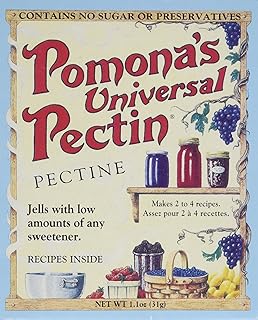
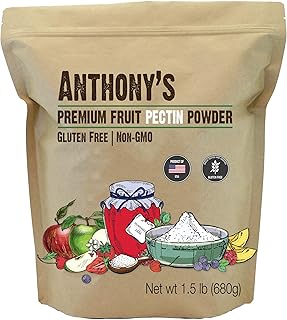
If you've ever wondered why your homemade strawberry jam turned out runny or your grape jelly refused to set, the answer likely lies in a natural substance called pectin. This unsung hero of the preserving world is the key to achieving that perfect, spreadable consistency we all love. Whether you're a seasoned canner or a beginner looking to capture summer's bounty, understanding pectin is your first step toward pantry shelves filled with beautiful, delicious preserves.
In this comprehensive guide, we'll peel back the layers on this essential gelling agent. We'll explore what it is, where it comes from, the different types available, and how to use it like a pro. By the end, you'll have the confidence to tackle any jam, jelly, or marmalade recipe, ensuring every jar sets perfectly.
What Exactly is Pectin?
At its core, pectin is a type of soluble fiber found naturally in the cell walls of fruits and vegetables. It acts as a structural polysaccharide, helping to bind plant cells together. When combined with acid and sugar under the right conditions, pectin forms a gel. This gel network is what gives jams, jellies, and preserves their characteristic thick, yet tender, texture.
All fruits contain some level of pectin, but the amount varies significantly. High-pectin fruits like apples, citrus peels (especially the white pith), quinces, and cranberries have enough natural pectin to often gel on their own with just added sugar and acid. Low-pectin fruits, such as strawberries, peaches, pears, and cherries, usually require added commercial pectin to achieve a proper set. This is where products like Hoosier Hill Farm Fruit Pectin become invaluable for home canners.
The Different Types of Commercial Pectin
Not all pectin is created equal. Understanding the differences is crucial for recipe success. Commercial pectin is typically extracted from citrus peels or apple pomace (the leftover skins and cores from juice production) and processed into a shelf-stable form.
1. High-Methoxyl (HM) Pectin
This is the most common type used in traditional high-sugar preserves. HM pectin requires a high concentration of sugar (usually 55% or more of the total weight) and a low pH (high acidity) to form a gel. It's what you'll find in most classic jam and jelly recipes. The high sugar content not only aids gelling but also acts as a preservative.
2. Low-Methoxyl (LM) Pectin
Also known as no-sugar pectin, LM pectin gels with the help of calcium ions, not sugar. This makes it ideal for creating low-sugar, no-sugar-added, or sugar-free preserves using alternative sweeteners like honey, stevia, or fruit juice concentrates. It offers greater dietary flexibility for those monitoring sugar intake.
3. Liquid vs. Powder Pectin
Pectin also comes in different physical forms, and they are not interchangeable. Powdered pectin, like the bulk 6-pound option from Hoosier Hill Farm, is typically mixed with the fruit before heating. Liquid pectin is stirred into the cooked fruit mixture after it has been brought to a boil. Using the wrong type at the wrong time is a common reason for gelling failures.
Why Use Added Pectin in Home Canning?
While our grandmothers might have relied solely on long boils and natural fruit pectin, modern home canning with added pectin offers distinct advantages:
- Consistent Results: Achieve a perfect, reliable set every time, batch after batch.
- Shorter Cooking Time: Less boiling preserves more of the fruit's fresh flavor, bright color, and nutritional value.
- Greater Yield: Less evaporation during a shorter cook means more finished jars from your fruit.
- Flexibility: Allows you to make beautiful preserves from low-pectin fruits that would otherwise be difficult to gel.
- Control Over Sugar: Using LM pectin lets you drastically reduce or eliminate refined sugar without compromising texture.
For those who can in large quantities, buying bulk pectin is both economical and convenient. A 6-pound bag, such as the one offered by Hoosier Hill Farm, is a cost-effective choice for community canning projects, small businesses, or avid preservers who go through many jars in a season.
Key Factors for Pectin Success: The Gel Trinity
For pectin to work its magic, three elements must be in perfect balance: Pectin, Acid, and Sugar. Think of it as a three-legged stool—if one leg is missing or too short, the gel won't stand.
- Pectin: Provides the structure for the gel network. This comes from the fruit and/or added commercial pectin.
- Acid: Helps extract pectin from the fruit during cooking and is essential for the gelling reaction. It also adds flavor balance. Lemon juice is commonly used to ensure adequate acidity.
- Sugar: For HM pectin, sugar attracts and binds water molecules, helping the pectin chains form a firm network. It also contributes to preservation and taste.
Always follow your recipe's instructions precisely, especially regarding the order of adding ingredients and the required boil times. A full, rolling boil that cannot be stirred down is often critical for activating the pectin.
Choosing the Right Pectin for Your Needs
With so many options, how do you choose? Consider your primary goals:
- For traditional, high-sugar spreads with a classic texture, a standard HM powdered pectin is perfect.
- For diabetic-friendly or low-sugar preserves, seek out a reliable LM pectin.
- For large-scale canning, a bulk pectin like Hoosier Hill Farm's 6-pound bag offers great value. It's also certified gluten-free pectin, making it suitable for those with dietary restrictions.
- For beginners, fruit pectin kits that include pre-measured packets can simplify the process.
Pro Tips and Troubleshooting Common Pectin Problems
Even with the best ingredients, things can sometimes go awry. Here's how to diagnose and fix common issues:
Problem: My Jam is Too Runny (Didn't Set)
Likely Cause: Incorrect pectin-to-acid-sugar balance, undercooking, or using overripe fruit (pectin breaks down as fruit ripens).
Fix: You can often re-cook the jam. For a small batch, mix ¼ cup sugar with 1 tablespoon of powdered pectin, stir into the runny jam, and bring back to a full rolling boil for 1 minute.
Problem: My Jam is Too Stiff or Rubbery
Likely Cause: Too much pectin, overcooking, or using underripe fruit (very high in natural pectin).
Fix: Unfortunately, this is harder to reverse. You can use the overly firm jam as a sweet filling for pastries or melt a portion with a little water or juice to use as a syrup.
Problem: Crystals Form in My Jelly
Likely Cause: Undissolved sugar. This often happens if sugar is added without proper stirring or if the cooking time is too short.
Fix: Ensure sugar is completely dissolved over low heat before bringing the mixture to a rolling boil.
Beyond Jam: Other Creative Uses for Pectin
While jam making and jelly making are its most famous applications, pectin's gelling properties are useful in other culinary realms:
- Fruit Glazes and Toppings: Create shiny, stable glazes for tarts and pastries.
- Yogurt and Dessert Gels: Use LM pectin to make low-sugar fruit gels for parfaits or layered desserts.
- Sauces and Condiments: Thicken fruit-based barbecue sauces or chutneys without altering flavor as much as starch would.
- Molecular Gastronomy: Used to create fluid gels and other modern texture innovations.
Conclusion: Mastering the Art of the Set
Pectin is more than just a thickener; it's the foundation of successful home preserving. By understanding its science and choosing the right type for your project—whether it's a small batch of strawberry jam or a large-scale canning session with a bulk pectin supply—you unlock the ability to capture flavors at their peak. Remember the gel trinity (pectin, acid, sugar), follow your recipe meticulously, and don't be afraid to experiment. With this knowledge and a reliable canning pectin in your pantry, you're well on your way to filling your shelves with the delicious, jewel-toned rewards of your labor.