In the vibrant and often chaotic universe of children's literature, few series have managed to capture the hearts and funny bones of young readers quite like Dav Pilkey's Captain Underpants. This isn't just a collection of books; it's a cultural phenomenon that has redefined what it means to be a "reader" for an entire generation. At the epicenter of this laughter-filled revolution sits a particularly pivotal installment: Captain Underpants and the Big, Bad Battle of the Bionic Booger Boy, Part 1: The Night of the Nasty Nostril Nuggets: Color Edition. This book, the sixth in the iconic series, represents more than just another adventure for George, Harold, and their hypnotized principal. It encapsulates the very formula that makes these children's books so powerful for engaging those who might otherwise shy away from the written word.
The journey of a reluctant reader is often marked by frustration. Traditional chapter books can feel like insurmountable walls of text, lacking the visual hooks that capture a child's imagination. Dav Pilkey, drawing from his own childhood experiences with ADHD and dyslexia, understood this barrier intuitively. He didn't just write stories; he built bridges. The Captain Underpants series, and particularly graphic novel-heavy entries like #6, serve as the perfect gateway. By blending accessible text with dynamic, comic-style illustrations, Pilkey removes the intimidation factor. The story of Melvin Sneedly's transformation into the Bionic Booger Boy isn't just told; it's shown in vivid, hilarious detail, making the act of reading feel less like a chore and more like unlocking a secret, interactive game.
The Night of the Nasty Nostril Nuggets is a masterclass in leveraging humor as a pedagogical tool. The premise—a school bully turned into a mucus-powered monster—is precisely the kind of gross-out, subversive comedy that resonates deeply with elementary school audiences. This strategic use of humor is not frivolous; it's a critical engagement mechanism. When children laugh at the absurd predicaments of George and Harold, their guard drops. The anxiety associated with reading dissipates, replaced by anticipation and joy. This emotional connection transforms the book from an assignment into a desired activity. The Color Edition amplifies this effect, using bright, bold colors to highlight the action and humor, making the graphic novel elements even more immersive and rewarding for visual learners.
Examining the specific elements of Book #6 reveals why it's such an effective tool. The narrative is structured with short chapters, plenty of visual gags (like Flip-O-Rama segments), and a fast-paced plot involving time travel and robotic boogers. This variety maintains a high level of stimulation, preventing the attention drift common in reluctant readers. Furthermore, the book operates on multiple levels. On the surface, it's a slapstick adventure. On a deeper level, it explores themes of friendship, creativity, and standing up to bullies (even if they are now made of snot). George and Harold, the creative underdogs, use their wits and homemade comic books to save the day, empowering readers who might see themselves in these mischievous but good-hearted heroes.
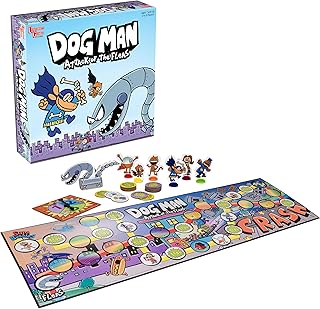
The success of this specific Captain Underpants adventure cannot be separated from its creator's legacy. Dav Pilkey's unique voice, born from his own challenges with traditional learning, infuses every page with empathy for the struggling reader. The series' ethos directly paved the way for his other monumental success, Dog Man. One can see the DNA of Captain Underpants—the hybrid text-comic format, the heartwarming humor, the focus on resilience—evolving within the pages of Dog Man. For a child who graduates from the adventures of the waistband warrior, the world of Dog Man offers a natural and exciting next step in their reading journey, proving Pilkey's model has lasting power.
For parents and educators seeking to build a bridge to literacy, this book and the series it belongs to are invaluable resources. The key is to embrace the humor and the format without reservation. Validate the child's choice to read a "silly" book about boogers, because that validation tells them their reading interests are legitimate. Use the book as a springboard for conversation: What would they do if their science project went that wrong? Could they create their own Flip-O-Rama? This transforms a solo reading activity into a shared, creative experience. The ultimate goal is to associate books with positive, fun emotions, and few books deliver that association as reliably as this color edition of the Bionic Booger Boy's first appearance.
In conclusion, Captain Underpants and the Big, Bad Battle of the Bionic Booger Boy, Part 1 is far more than a story about a nasal-based nemesis. It is a carefully engineered, brilliantly executed tool for literacy engagement. It stands as a testament to Dav Pilkey's understanding of his audience and his commitment to making reading accessible and uproariously fun. By meeting reluctant readers where they are—with laughter, comics, and yes, even nasty nostril nuggets—it unlocks a door to a lifelong love of stories. In the battle for a child's attention, this book proves that sometimes, the most powerful weapon isn't a vocabulary list, but a well-timed, brilliantly illustrated joke.