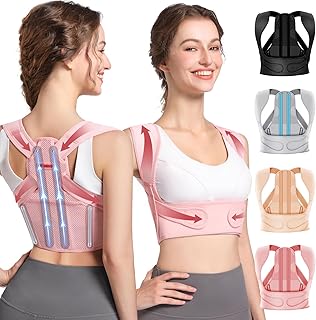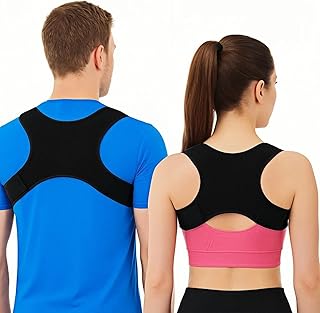
In today's digital age, where hours are spent hunched over desks and smartphones, poor posture has become a widespread concern. Many seek a simple, non-invasive solution to combat the resulting back pain, neck strain, and rounded shoulders. This is where a posture corrector comes into play. But with so many options available, how do you know which one is right for you? This comprehensive guide will demystify posture correctors, exploring their types, benefits, and how to make an informed choice for lasting spinal health.
What is a Posture Corrector and How Does It Work?
A posture corrector is a supportive device designed to gently pull your shoulders back and align your spine into a healthier, more natural position. Think of it not as a crutch, but as a training tool. Its primary function is to provide proprioceptive feedback—constant, gentle physical reminders that you are slouching. When you start to hunch forward, the device creates tension or pressure, prompting you to consciously correct your stance. Over time, this retrains your muscle memory, strengthening the often-neglected muscles in your upper back (like the rhomboids and trapezius) and encouraging your body to maintain good posture independently.
Key Benefits of Using a Posture Corrector
Investing in a quality posture support device offers a multitude of benefits beyond simply standing up straighter. Firstly, it can significantly reduce chronic back and neck pain caused by muscular imbalance. By aligning the spine, it alleviates undue stress on vertebrae, discs, and ligaments. Secondly, improved posture enhances breathing capacity, as an open chest allows for fuller lung expansion. Many users also report increased energy levels and reduced fatigue, as the body expends less energy fighting against gravitational pull in a misaligned state. Furthermore, good posture projects confidence and can positively impact your mood and professional presence.
Exploring the Different Types of Posture Correctors
1. Adjustable Back Brace Straps
These are the most common and versatile type. Typically made from breathable neoprene or elastic, they feature adjustable straps that cross over the back or chest. They are excellent for daily wear under clothing and are ideal for office workers, students, or anyone needing reminders during sedentary activities. Their adjustability allows for a customized fit and controlled levels of support.
2. Posture Shirts and Vests
For those seeking a discreet solution, posture-correcting shirts or vests are a fantastic option. They look like regular compression wear but have integrated supportive panels or straps. This type is perfect for all-day wear, as it's less conspicuous under clothing and often provides broader back support, making it a popular choice within the Posture Corrector category for long-term, subtle training.
3. Electronic Posture Trainers
This high-tech option uses wearable sensors that vibrate or beep when you slouch. Unlike physical braces, they don't provide mechanical support but focus purely on biofeedback. They are great for individuals who are highly responsive to alerts and prefer a completely non-restrictive method of training their posture awareness.
How to Choose the Right Posture Corrector for You
Selecting the ideal device requires considering your lifestyle, specific issues, and comfort. Start by identifying your primary need: Is it for upper back rounding (kyphosis), shoulder alignment, or general slouching? For office use, a lightweight, adjustable strap or discreet shirt is often best. For post-injury rehabilitation or more severe postural issues, a medical-grade brace with firmer support may be recommended by a healthcare professional. Always prioritize adjustability, breathable materials, and a design that doesn't restrict arm movement or breathing.
Proper Usage and Realistic Expectations
A crucial point often overlooked is that a posture corrector is a tool for retraining, not a permanent fix. It should be worn for limited periods initially (e.g., 30-60 minutes), gradually increasing as your muscles adapt. Pairing its use with targeted strengthening exercises—like rows, scapular retractions, and chest stretches—is essential for lasting results. Expecting instant, pain-free posture is unrealistic; improvement is a gradual process of building new habits and muscle strength. Consistency is far more important than duration in the beginning.
Potential Drawbacks and Considerations
While beneficial, posture correctors are not a one-size-fits-all solution. Over-reliance can lead to muscle weakening if used as a substitute for exercise. Ill-fitting or overly tight devices can cause skin chafing, discomfort, or even impede circulation. It's vital to listen to your body. If you have a pre-existing spinal condition like scoliosis or severe osteoporosis, consult a doctor or physical therapist before using any corrective device to ensure it's appropriate for your situation.
Conclusion: Building a Foundation for Better Posture
A posture corrector can be a powerful ally in your journey toward a healthier, pain-free back. By understanding the different types—from adjustable straps to smart shirts—and aligning your choice with your personal needs and lifestyle, you can find a supportive tool that works for you. Remember, the ultimate goal is to use the device as a training aid alongside conscious effort and strengthening exercises. By taking this proactive approach, you're not just straightening your spine for today; you're investing in long-term musculoskeletal health and overall well-being.