In today's digital world, where hours are spent hunched over screens, poor posture has become a widespread epidemic. The consequences extend far beyond aesthetics, manifesting as chronic neck pain, shoulder tension, debilitating backaches, and even headaches. For many, the quest for relief leads to a simple yet powerful tool: the posture corrector. But with so many options available, how do you know which one is right for you, and how can you use it effectively? This comprehensive guide dives deep into the world of posture correction, exploring the benefits, key features to look for, and practical tips for integrating a brace into your daily life for lasting improvement.
Understanding the 'Why': The Real Impact of Poor Posture
Before exploring solutions, it's crucial to understand the problem. Poor posture isn't just about slouching; it's a biomechanical failure that places excessive strain on your musculoskeletal system. When your shoulders roll forward and your head juts ahead (a position aptly named "tech neck"), the weight on your spine increases dramatically. This misalignment overworks muscles in your neck and upper back while weakening core stabilizers, leading to muscle fatigue, joint stress, and pain. Over time, this can contribute to more serious issues like disc degeneration, reduced lung capacity, and even digestive problems. Addressing posture is therefore a critical investment in your long-term health and well-being.
How a Posture Corrector Works: More Than Just a Brace
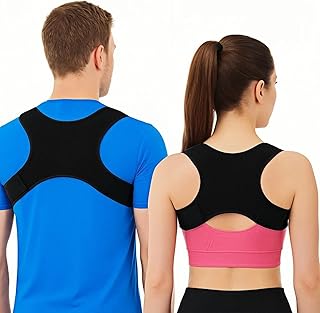
A quality posture corrector acts as a biofeedback device and a supportive guide. Its primary function is not to hold you up permanently but to retrain your muscle memory. By providing gentle, consistent resistance against slouching, it reminds your body of its proper, aligned position. This sensory feedback helps you become consciously aware of when you're falling into bad habits. The best devices, like the UltraSupport+ Comfortable Upper and Back Brace, are designed to support without restricting natural movement, allowing your muscles to gradually strengthen in the correct alignment. Think of it as training wheels for your spine—providing stability as you rebuild the strength and habit of good posture.
Key Features to Look for in an Effective Posture Corrector
Not all posture aids are created equal. When searching for effective shoulder pain relief and postural support, prioritize these features:
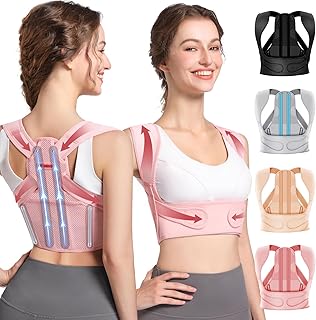
- Adjustability: A one-size-fits-all approach rarely works for body alignment. Look for an adjustable back straightener with multiple strap points. This allows you to customize the fit and the level of corrective tension, ensuring it's supportive but not constricting.
- Comfort & Breathability: If a brace is uncomfortable, you won't wear it. Seek out models made from soft, breathable materials that won't chafe or overheat your skin, especially for all-day wear.
- Targeted Support: The device should specifically address the upper back and shoulder region. A well-designed upper back brace will cross between the shoulder blades and wrap around the shoulders to gently pull them back and down.
- Discreet Design: For many users, the ability to wear the corrector under clothing is essential for consistent use at work or in social settings.
The UltraSupport+ Advantage: A Case Study in Comfort and Correction
Products like the Posture Corrector for Men and Women, UltraSupport+, exemplify these ideal features. Its design focuses on being a comfortable posture aid that users can wear for extended periods without irritation. The adjustable straps allow for a personalized fit that provides gentle yet firm posture support, making it effective for combating hunching and slumping shoulders. By offering a balance of correction and comfort, it encourages regular use, which is the single most important factor for achieving lasting results and genuine pain relief from posture-related discomfort.
How to Use a Posture Corrector for Maximum Benefit
Simply wearing a brace isn't a magic fix. To reap the full benefits, follow these steps:
- Start Gradually: Begin by wearing your posture corrector for 15-30 minutes a day. As your body adapts, gradually increase the duration to a few hours.
- Combine with Exercise: The brace is a tool for retraining, but strengthening is key. Pair its use with exercises that target the rear deltoids, rhomboids, and core muscles, such as rows, face pulls, and planks.
- Maintain Awareness: Use the physical cue from the brace to build mental awareness. Periodically check your posture even when you're not wearing it.
- Listen to Your Body: Some initial mild discomfort is normal as muscles adjust, but sharp pain is not. Adjust the tension or take a break if needed.
Beyond the Brace: Holistic Strategies for Posture Health
While a back brace is an excellent tool, sustainable posture improvement requires a holistic approach. Ensure your workstation is ergonomically set up with your monitor at eye level. Take frequent breaks to stand, stretch, and walk. Incorporate yoga or Pilates into your routine to enhance body awareness and flexibility. Staying hydrated and maintaining a healthy weight also reduce unnecessary strain on your spine. View your posture corrector as one vital component of a broader commitment to spinal health.
Addressing Common Concerns and Myths
Many worry that using a posture brace will weaken their muscles. This is a myth when the device is used correctly as a training aid, not a crutch. The goal is to provide support as your own muscles learn to engage properly. Another concern is dependency, which is avoided by gradually reducing wear time as your posture and strength improve. The objective is to build the intrinsic strength and habit so that you eventually no longer need the external support for most daily activities.
Conclusion: Taking the First Step Towards a Pain-Free Back
Chronic pain from poor posture doesn't have to be your new normal. Investing in a well-designed, comfortable posture aid like the UltraSupport+ can be the catalyst for profound change. It offers a practical, non-invasive path to pain relief, improved alignment, and increased confidence. Remember, consistency is key. By choosing the right support, using it wisely, and complementing it with strengthening exercises and mindful habits, you can retrain your body, alleviate discomfort, and stand tall for years to come. Start your journey to better posture today—your back will thank you.