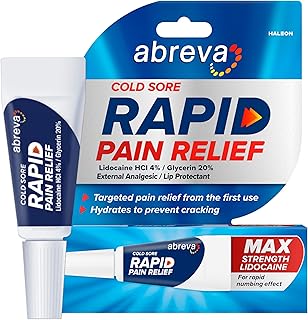
If you're one of the millions who experience the painful, unsightly, and often embarrassing outbreak of cold sores, you know the desperate search for an effective treatment. The moment you feel that tell-tale tingle or see the first sign of a blister, the clock starts ticking. You want something that works fast, reduces healing time, and minimizes the pain. Enter Abreva, one of the most well-known and widely available over-the-counter cold sore remedies on the market. But does it live up to the hype? In this comprehensive review, we'll dive deep into what Abreva is, how it works, its pros and cons, and whether it should be a staple in your medicine cabinet.
What is Abreva and How Does It Work?
Abreva is an FDA-approved, non-prescription cream designed specifically for the treatment of cold sores (fever blisters) caused by the herpes simplex virus. Its active ingredient is docosanol 10%. Unlike many other OTC products that merely soothe symptoms or create a protective barrier, docosanol is believed to work by preventing the herpes simplex virus from entering healthy skin cells. By blocking this fusion, the virus cannot replicate and spread, which in theory should shorten the duration of the outbreak and speed up healing.
It's crucial to understand that Abreva is not a cure for the herpes virus. Once infected, the virus remains dormant in your nerve cells and can be reactivated by triggers like stress, fatigue, sunlight, or illness. Abreva's role is to manage the active outbreak on the skin's surface, making it a treatment, not a preventative or a cure for the underlying viral infection.
My Experience Using Abreva: A Real-World Test
As someone who has battled occasional cold sores for years, primarily triggered by stress and sun exposure, I decided to put Abreva to a rigorous personal test. My typical cold sore cycle lasts 10-14 days from the first tingle to complete healing of the scab. For this review, I applied Abreva at the very first sign of the prodromal stage—that faint itching and tingling sensation on my lip.
I followed the instructions meticulously: washing my hands, applying a small amount with a cotton swab (to avoid contaminating the tube), and rubbing it in gently until clear. I repeated this process five times daily. The cream absorbed quickly without a greasy residue. The most significant difference I noticed compared to doing nothing was the speed at which the blister phase was contained. The painful blister that usually forms was much smaller and less pronounced. The weeping and crusting stages were also less severe. Overall, my healing time was reduced to about 7-8 days—a noticeable improvement. The pain and discomfort, while still present, felt more manageable.
The Pros and Cons of Abreva
Advantages
FDA-Approved: This is a major point in its favor. Abreva is the only non-prescription cold sore medicine approved by the FDA to shorten healing time. This approval means its claims are backed by clinical data.
Early Intervention is Key: When applied at the very first sign (the tingling stage), it can be highly effective at mitigating the severity of the outbreak. This makes having a tube on hand at all times essential for sufferers.
Widely Available: You can find Abreva at virtually any pharmacy, grocery store, or major online retailer without a prescription.
Mechanism of Action: Its unique method of working by blocking viral entry is different from mere symptom relief, targeting the cause of the sore's progression.
Disadvantages
Cost: Abreva is significantly more expensive than other OTC options like lip balms with sunscreen or petroleum jelly-based products. A small 2-gram tube can cost over $20.
Variable Results: User experiences vary widely. Some people, like myself, see a moderate reduction in healing time. Others report dramatic results, while a segment of users feel it does little to nothing. This inconsistency can be frustrating.
Must Be Applied Early: Its effectiveness plummets if you start applying it after the blister has already formed. If you miss that early window, you may not see much benefit for that particular outbreak.
Not a Preventative: It does not prevent future outbreaks from occurring. You must treat each new outbreak as it begins.
How to Use Abreva Correctly for Best Results
To maximize your chances of success with Abreva, follow these steps closely:
- Start Immediately: Keep a tube accessible. The moment you feel the familiar tingle, itch, or burn, begin treatment.
- Clean the Area: Gently wash the affected area and your hands with soap and water.
- Apply with a Clean Tool: Use a cotton swab or a finger cot to apply a thin layer. Never use your finger directly, as this can spread the virus to other areas (like your eyes) or contaminate the tube.
- Rub It In: Gently massage the cream into the skin until it disappears. It should be clear, not white.
- Repeat Faithfully: Apply the cream five times per day, approximately every 3-4 hours while awake, until the cold sore is completely healed.
- Continue Treatment: Do not stop once the blister forms or scabs over. Continue the 5x/day application until the skin is normal.
Abreva vs. Other Cold Sore Treatments
How does Abreva stack up against the competition?
- Prescription Antivirals (e.g., Valtrex, Acyclovir): These oral medications are often considered the gold standard for severe or frequent outbreaks. They can be used for treatment or daily suppression to prevent outbreaks. They are typically more effective than topical treatments but require a doctor's visit and prescription.
- Other Topical Creams/Ointments: Many products contain drying agents like alcohol or zinc oxide, or simply protect the sore with petrolatum. They may offer comfort but do not claim to shorten healing time like Abreva does.
- Home Remedies: Ice packs, lemon balm, lysine supplements, and tea tree oil are popular. While some people find relief with these methods, they lack the FDA approval and consistent clinical backing of Abreva.
For a non-prescription, targeted topical treatment, Abreva occupies a unique middle ground between basic comfort care and prescription-strength medicine.
Potential Side Effects and Precautions
Abreva is generally well-tolerated. The most common side effect is a mild, temporary headache at the application site. Allergic reactions are rare but possible. Discontinue use and consult a doctor if you experience severe redness, itching, swelling, or rash that was not present before treatment.
Important Precautions: Do not use Abreva inside your mouth, nose, or eyes. It is for external use on the lips and face only. If your cold sores are very frequent, severe, or appear near your eyes, consult a healthcare professional. Always inform your doctor about any medications or supplements you are taking.
Final Verdict: Is Abreva Worth It?
So, does Abreva work? Based on clinical evidence and my personal experience, the answer is a qualified yes—with important caveats.
It is most effective as an early-intervention tool. If you are disciplined and apply it at the first subtle sign of an outbreak, it can genuinely help reduce the severity and duration of your cold sore. For this purpose, having a tube readily available is worth the investment for many sufferers. The psychological benefit of taking immediate, targeted action should not be underestimated.
However, if you typically notice your cold sores only after the blister has formed, or if you experience very frequent outbreaks (more than 6-8 per year), you may find the cost-to-benefit ratio less favorable. In such cases, a consultation with a doctor about prescription antiviral options might be a more effective long-term strategy.
Bottom Line: Abreva is a legitimate, science-backed option in the fight against cold sores. It is not a miracle cure, but when used correctly and promptly, it can be a valuable part of your management toolkit, helping you get back to feeling like yourself faster. For those seeking an over-the-counter solution that does more than just mask symptoms, it remains a top contender worthy of consideration.