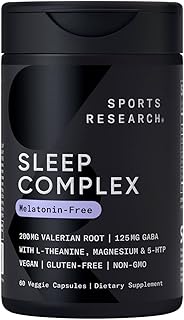
If you're one of the millions searching for a natural solution to restless nights, you've likely come across Relaxium Sleep. Marketed as a doctor-formulated, non-habit-forming sleep aid, it promises to help you fall asleep faster, stay asleep longer, and wake up feeling refreshed. But does it live up to the hype? In this comprehensive review, we'll dive deep into the science behind its ingredients, analyze real user experiences, and compare it to other options to help you make an informed decision about your sleep health.
What is Relaxium Sleep?
Relaxium Sleep is an over-the-counter dietary supplement designed to support healthy sleep patterns. Unlike prescription sleep medications, it positions itself as a natural alternative that works with your body's own sleep-wake cycle. The formula was developed by Dr. Eric Ciliberti, a neurosurgeon, which adds a layer of credibility often sought by consumers wary of unproven supplements. The core promise is to address the three pillars of good sleep: sleep onset (falling asleep), sleep maintenance (staying asleep), and sleep quality (waking up restored).
A Closer Look at the Relaxium Sleep Ingredients
The effectiveness of any supplement hinges on its formulation. Let's break down the key active ingredients in Relaxium Sleep and what clinical research says about them.
1. GABA (Gamma-Aminobutyric Acid) - 100mg
GABA is a primary inhibitory neurotransmitter in the brain. It calms nervous activity, promoting relaxation and reducing feelings of stress and anxiety that can interfere with sleep. Studies suggest supplemental GABA can improve sleep quality and help people fall asleep more quickly by quieting a racing mind.
2. L-Theanine - 200mg
Found naturally in green tea, L-Theanine is renowned for promoting relaxation without drowsiness. It works synergistically with GABA, enhancing its calming effects. Research indicates L-Theanine can improve sleep quality not by acting as a sedative, but by reducing stress and anxiety levels before bedtime.
3. Valerian Root Extract - 150mg
A classic herbal remedy for insomnia and nervous restlessness. Valerian root is believed to increase levels of GABA in the brain. Multiple studies, including meta-analyses, have found valerian root to be effective for improving subjective sleep quality, making it a staple in many natural sleep aids.
4. 5-HTP (5-Hydroxytryptophan) - 50mg
5-HTP is a direct precursor to serotonin, a neurotransmitter that regulates mood and is later converted into melatonin, the "sleep hormone." By boosting serotonin production, 5-HTP can help regulate sleep cycles and improve mood, which is often linked to sleep disorders.
5. Melatonin - 3mg
This is the hormone your body naturally produces in response to darkness, signaling that it's time to sleep. Supplemental melatonin is most effective for resetting circadian rhythms (like jet lag) and signaling sleep onset. The 3mg dose in Relaxium is a standard and effective amount for most adults.
6. Magnesium (as Magnesium Citrate) - 50mg
Magnesium is a crucial mineral that plays a role in over 300 biochemical reactions, including muscle and nerve function. Magnesium deficiency is linked to insomnia and restless legs. Magnesium citrate, the form used here, is highly bioavailable and helps relax muscles and calm the nervous system.
7. Passiflora Incarnata (Passionflower) - 50mg
Passionflower is another traditional herb used to alleviate anxiety and insomnia. Research suggests it may boost levels of GABA in the brain, similar to valerian root, providing a gentle sedative effect to ease the transition into sleep.
Relaxium Sleep: Pros and Cons Based on Evidence
Potential Benefits (Pros)
Multi-Faceted Approach: Unlike single-ingredient sleep aids, Relaxium Sleep combines several well-researched ingredients that target different aspects of sleep disruption—anxiety (GABA, L-Theanine), sleep signaling (Melatonin, 5-HTP), and nervous system relaxation (Valerian, Magnesium, Passionflower).
Non-Habit Forming Claim: The formula avoids prescription sedatives like zolpidem or eszopiclone, which are known for dependency risks. The natural ingredients are generally considered to have a lower risk of habituation.
Doctor-Formulated: The association with a medical professional provides a degree of trust and suggests the formulation is based on more than just market trends.
Potential Drawbacks and Considerations (Cons)
Individual Variability: Herbal and natural supplements do not work the same for everyone. Factors like metabolism, the root cause of insomnia, and body chemistry mean results can vary significantly.
Possible Side Effects: While generally well-tolerated, some users may experience morning grogginess (often from melatonin), vivid dreams, mild digestive upset, or headaches. It's crucial to start with the lowest effective dose.
Not a Quick Fix for Chronic Insomnia: Severe, chronic sleep disorders often have underlying medical or psychological causes (e.g., sleep apnea, chronic anxiety, depression) that require professional diagnosis and treatment. A supplement like Relaxium may not be sufficient alone.
Cost: As a premium branded supplement, it is more expensive than buying individual ingredients like melatonin or magnesium separately.
Analyzing User Experiences and Reviews
Scouring verified customer reviews from various retailers and forums paints a mixed but generally positive picture. Many users report success where other supplements failed, praising its ability to help them fall asleep without a "hangover" effect. Common positive themes include deeper sleep, fewer nighttime awakenings, and feeling more rested in the morning.
However, a subset of users report no effect at all, which highlights the issue of variability. A smaller group mentions side effects like next-day drowsiness or intense dreams. This reinforces the importance of managing expectations and consulting with a healthcare provider, especially if you are on other medications, as ingredients like 5-HTP can interact with antidepressants (SSRIs/SNRIs).
How Does Relaxium Sleep Compare to Other Sleep Aids?
vs. Prescription Sleep Aids (e.g., Ambien, Lunesta): Relaxium is non-habit forming and has a milder side effect profile. However, prescription aids are typically stronger and faster-acting for severe insomnia but come with significant risks of dependency, complex side effects, and sleep behaviors like sleepwalking.
vs. OTC Antihistamine Sleep Aids (e.g., Diphenhydramine - Benadryl, ZzzQuil): These work by causing drowsiness but can lead to tolerance quickly, cause significant next-day grogginess, and have anticholinergic effects which may not be safe for long-term use, especially in older adults. Relaxium's natural profile offers a potentially safer long-term alternative.
vs. Single-Ingredient Supplements (e.g., Melatonin alone): Relaxium's blend may offer a more comprehensive solution for those whose sleep issues are linked to anxiety and stress, not just circadian rhythm disruption. For simple jet lag, melatonin alone might be sufficient and cheaper.
Who Might Benefit Most from Relaxium Sleep?
Based on its formulation, Relaxium Sleep appears best suited for adults experiencing:
- Mild to moderate sleep difficulties related to stress and anxiety.
- Occasional sleeplessness due to lifestyle disruptions or worry.
- Those who have tried single ingredients like melatonin with limited success and need a more multi-targeted approach.
- Individuals seeking a natural, non-habit-forming alternative to OTC or prescription sleep medications.
Important Usage Tips and Safety Advice
1. Start Low, Go Slow: Consider starting with half a dose (one capsule) 30-60 minutes before bed to assess your tolerance.
2. Consistency is Key: Natural supplements often require consistent use over 1-2 weeks to allow your body to adjust and for the effects to stabilize.
3. Create a Sleep Sanctuary: No supplement can overcome poor sleep hygiene. Use Relaxium as part of a broader routine: dim lights, avoid screens an hour before bed, keep your room cool and dark, and establish a consistent sleep schedule.
4. Consult Your Doctor: This is non-negotiable if you are pregnant, nursing, under 18, have a medical condition, or are taking any other medications or supplements.
Final Verdict: Is Relaxium Sleep Worth Trying?
Relaxium Sleep presents a thoughtfully formulated blend of evidence-backed ingredients that target the common neurological and physiological pathways involved in sleep regulation. Its strengths lie in its multi-ingredient approach and its foundation in ingredients with clinical support for sleep and relaxation.
It is not a magic pill for serious medical sleep disorders, but for the large group of people struggling with sleep issues tied to daily stress, anxiety, or an overactive mind, it offers a legitimate and potentially effective natural option. The doctor-formulated aspect adds credibility, though individual results will vary.
If you've been disappointed by single-ingredient solutions and are wary of stronger prescription or OTC options, Relaxium Sleep could be a worthwhile experiment. Just remember to pair it with good sleep habits and manage your expectations. As with any journey to better sleep, the solution is often a combination of the right support and consistent, healthy routines.