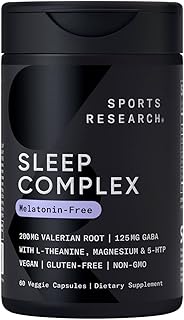
In the quest for a good night's rest, many people turn to over-the-counter solutions. Among the most common and trusted is diphenhydramine, the active ingredient found in many sleep aids. This guide will delve into how diphenhydramine softgels work, their benefits for achieving deeper, restful sleep, and how they compare to other options on the market. Whether you're struggling with occasional sleeplessness or looking for a reliable, non-prescription aid, understanding your choices is the first step toward better sleep hygiene.
Understanding Diphenhydramine: How It Promotes Sleep
Diphenhydramine is an antihistamine, a class of drugs primarily used to treat allergy symptoms. However, one of its most well-known side effects is drowsiness. This sedating effect is precisely why it's widely used as a sleep aid. It works by blocking histamine, a neurotransmitter in the brain that promotes wakefulness. By temporarily reducing histamine activity, diphenhydramine helps calm the central nervous system, making it easier to fall asleep and stay asleep.
Products like 50mg diphenhydramine softgels are formulated specifically for sleep support. The softgel delivery system can offer faster absorption for some individuals compared to traditional tablets. It's important to note that while effective, this is a short-term solution best used for occasional sleeplessness, not chronic insomnia. For those seeking a different approach, exploring options like Relaxium Sleep can provide an alternative perspective on sleep support.
Key Benefits of Choosing a Diphenhydramine-Based Sleep Aid
Why do millions choose diphenhydramine for sleep? The benefits are clear for many users. First and foremost, it is non-habit forming, which is a significant advantage over some prescription sleep medications. There is no evidence of physical dependence developing with occasional use as directed.
Secondly, it is melatonin-free. While melatonin is a popular natural hormone supplement for sleep, it doesn't work for everyone. Some people find they build a tolerance, experience vivid dreams, or simply don't respond. A diphenhydramine formula offers a different, non-hormonal mechanism of action. Furthermore, by facilitating the onset of sleep, it can help support your body's own natural sleep cycle, allowing you to get the restorative deep sleep stages your body needs to feel refreshed.
Diphenhydramine Softgels vs. Other Sleep Aid Formats
When selecting a sleep aid, the format matters. Softgels, like the 50mg option we're discussing, often contain liquid-filled centers that can dissolve more quickly in the stomach than solid tablets. This may lead to a slightly faster onset of action for some people. Other common formats include capsules, tablets, and even gummies. The choice often comes down to personal preference, absorption rate, and any dietary restrictions. Regardless of format, ensuring you take the correct dosage—typically 50mg for adults—is crucial for both effectiveness and safety.
Who Can Benefit from an Over-the-Counter Sleep Aid?
Over the counter sleep aids containing diphenhydramine are ideal for adults experiencing temporary, situational sleep disturbances. This could be due to stress, travel (jet lag), shift work, or occasional anxiety that interferes with sleep. They are not intended for long-term use or for treating underlying medical conditions like sleep apnea or chronic insomnia. If sleep problems persist for more than two weeks, it's essential to consult a healthcare professional to rule out other issues.
Important Usage Guidelines and Safety Precautions
To use diphenhydramine sleep aids safely and effectively, always follow the label instructions. Take only one softgel (50mg) about 30 minutes before bedtime. Ensure you have a full 7-8 hours dedicated to sleep to avoid morning drowsiness. Do not combine it with alcohol, sedatives, or other medications that cause drowsiness without consulting a doctor. Common side effects can include dry mouth, dizziness, and next-day drowsiness, which usually diminish with continued use. It is not recommended for individuals with certain medical conditions like glaucoma, enlarged prostate, or breathing problems.
Integrating Sleep Aids into a Holistic Sleep Routine
A sleep aid should be one component of a broader commitment to sleep health. For truly restful sleep, combine occasional use of an aid with good sleep hygiene practices. This includes maintaining a consistent sleep schedule, creating a dark, cool, and quiet bedroom environment, limiting screen time before bed, and avoiding caffeine in the afternoon and evening. Relaxation techniques like reading, light stretching, or meditation can also signal to your body that it's time to wind down. A product can help you get to sleep, but these habits help ensure the sleep you get is high quality.
When to Consider Alternatives: Exploring Other Sleep Support
If you find yourself needing sleep support frequently, or if diphenhydramine causes undesirable side effects, it may be time to explore alternatives. The sleep aid market includes other antihistamines like doxylamine, supplements like valerian root or magnesium, and melatonin-based products. For a comprehensive blend of ingredients aimed at relaxation and sleep cycle regulation, some turn to formulated supplements. Researching and understanding products like Relaxium can help you make an informed choice about what aligns best with your body's needs and your health goals.
Final Thoughts: Making an Informed Choice for Better Sleep
Choosing a sleep aid is a personal decision that should be based on your specific needs, health status, and preferences. Diphenhydramine softgels offer a proven, accessible, and non-habit forming option for millions seeking occasional relief from sleeplessness. By supporting the onset of sleep, they can be a valuable tool in your arsenal for achieving deeper, more restorative rest. Remember, the goal is not just to fall asleep, but to cultivate sustainable habits that promote lifelong sleep health. Always prioritize safety, follow usage guidelines, and consult a healthcare provider if you have any concerns or ongoing sleep issues.