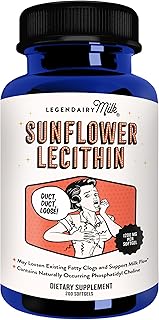
For many breastfeeding mothers, the journey is filled with beautiful bonding moments, but it can also be interrupted by painful challenges like clogged milk ducts. These stubborn blockages can lead to discomfort, reduced milk flow, and even mastitis if left unaddressed. In the search for natural, effective solutions, one supplement has risen to prominence in lactation circles: sunflower lecithin. This guide will delve deep into how this plant-based compound works, its specific benefits for nursing mothers, and what you need to know to use it safely and effectively as part of your lactation support toolkit.
What is Sunflower Lecithin and How Does It Help Nursing Moms?
Lecithin is a fatty substance essential to every cell in the human body. It's a phospholipid, meaning it helps emulsify fats—breaking them down and keeping them in suspension. While lecithin can be derived from soy and eggs, the sunflower version has become the preferred choice, especially for those with allergies or seeking non-GMO options. For a breastfeeding mother, the principle is straightforward: breast milk contains fat. A clogged milk duct often involves fatty milk that has thickened and gotten stuck. Sunflower lecithin is believed to increase the polyunsaturated fatty acids in the milk, reducing its stickiness and viscosity. This makes it less likely to clog and easier to flow through the ducts, effectively helping to prevent new clogs and clear existing ones.
Beyond Unclogging: The Broader Benefits for Lactation
While its role in addressing clogs is the most celebrated, the benefits of incorporating a sunflower lecithin supplement into your routine can extend further. Many mothers report more consistent milk flow, which can be particularly helpful during periods of engorgement or when trying to establish a pumping schedule. By promoting healthier duct function, it may contribute to overall breast comfort. Furthermore, as a source of choline, lecithin supports infant brain development, meaning the benefits are passed along to your baby. It's a holistic approach to lactation support that addresses a key physical hurdle, potentially making the entire breastfeeding experience smoother and more sustainable.
Navigating the Supplement Aisle: What to Look For
Not all supplements are created equal, and when it comes to something you'll consume while nursing, quality and purity are paramount. Here are the key factors to consider when choosing a sunflower lecithin supplement:
- Source and Purity: Opt for supplements derived from non-GMO sunflowers. The extraction process should be chemical-free, often using cold pressing.
- Dosage and Potency: Look for a clear indication of phospholipid content. A standard dosage for preventing clogs is often 1200mg daily, increasing to 2400mg (or one softgel 3-4 times daily) when actively treating a clog.
- Form and Additives: Softgels are a popular, easy-to-swallow option. Scrutinize the ingredient list for unnecessary fillers, allergens, or artificial additives.
- Manufacturing Standards: Supplements made in facilities that adhere to Good Manufacturing Practices (GMP) offer greater assurance of quality and consistency.
This is where a product like Legendairy Milk's Sunflower Lecithin stands out. Their 1200mg softgels are specifically formulated for lactation support, made in the USA from non-GMO sunflowers, and free from common allergens like soy, gluten, and dairy. This targeted formulation takes the guesswork out of finding a suitable and high-quality option.
How to Use Sunflower Lecithin Effectively and Safely
Understanding the "how" is just as important as the "what." For preventive maintenance against clogged ducts, many lactation consultants recommend a daily dose of 1200mg (often one softgel). If you feel the telltale tenderness of a clog forming, the protocol typically shifts to a higher "therapeutic" dose—around 2400mg to 4800mg per day, spread across multiple doses—until the clog resolves, then tapering back to the maintenance level. It's crucial to pair supplementation with other best practices: frequent nursing or pumping on the affected side, using warm compresses before feeding, gentle massage, and ensuring proper latch. Always consult with your healthcare provider or an International Board Certified Lactation Consultant (IBCLC) before starting any new supplement, especially if you have a history of medical conditions.
Common Myths and Realistic Expectations
A major misconception is that sunflower lecithin is a magic cure that works instantly. In reality, it is a supportive tool. It may take 24-48 hours to notice an improvement in a stubborn clog. It is also not a substitute for addressing the root causes of recurrent clogs, such as ineffective milk removal, tight clothing, or stress. Another myth is that it will significantly increase milk supply; its primary action is on the consistency of the milk, not the volume. Setting realistic expectations helps you use the supplement effectively as part of a broader strategy for breast health.
Integrating Sunflower Lecithin into Your Breastfeeding Journey
Think of a quality breastfeeding supplement like sunflower lecithin as an insurance policy for comfortable feeding. For mothers prone to clogs, taking it daily can provide peace of mind. For those dealing with an acute issue, it can be a game-changer in recovery. When selecting a product, prioritize transparency, purity, and appropriate dosage. By making an informed choice—such as opting for a trusted, purpose-made product like the 1200mg softgels from Legendairy Milk—you equip yourself with a powerful, natural aid to navigate one of the most common physical challenges of breastfeeding, helping you focus on the connection with your baby.


