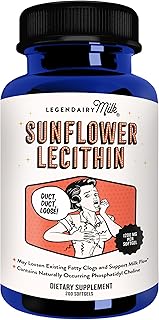
In the world of natural supplements, few ingredients offer the versatile benefits of sunflower lecithin. Derived from the seeds of sunflowers, this powerful emulsifier and source of essential phospholipids has become a cornerstone for those seeking a soy-free alternative to support everything from cognitive function to lactation. Unlike its soy-based counterpart, sunflower lecithin is often preferred for its cleaner sourcing, lower allergen risk, and sustainable farming practices. This comprehensive guide will delve into the science, benefits, and practical applications of this remarkable supplement, helping you understand why it's a staple in so many wellness routines.
What is Sunflower Lecithin and How is it Made?
Sunflower lecithin is a natural fatty substance extracted from sunflower seeds. The term "lecithin" technically refers to a mixture of phospholipids, with phosphatidyl choline being the most prominent and beneficial component. The extraction process is crucial for quality. The best products, like the Micro Ingredients Sunflower Lecithin softgels, utilize a cold-pressed method. This gentle, low-heat technique preserves the delicate phospholipids and prevents the degradation of nutrients that can occur with chemical solvents or high heat. This results in a purer, more potent supplement that retains its full nutritional profile.
Key Benefits: From Brain to Breast and Beyond
1. A Champion for Lactation and Breastfeeding Moms
For many new mothers, sunflower lecithin is a game-changer. Its primary role here is as an emulsifier—it helps reduce the viscosity (stickiness) of breast milk. This action can help prevent the fatty components of milk from clumping together, which is a common cause of clogged milk ducts. By keeping milk flowing smoothly, it supports comfortable and efficient breastfeeding. It's considered a safe, natural, and highly effective lactation supplement that addresses a very specific and painful challenge.
2. Brain and Cognitive Support
The brain is nearly 60% fat, and phospholipids like phosphatidyl choline are fundamental building blocks of brain cell membranes. Sunflower lecithin is a rich source of this compound. Phosphatidyl choline is a precursor to acetylcholine, a vital neurotransmitter involved in memory, learning, and muscle control. Regular supplementation may support cognitive function, focus, and memory recall, making it a valuable tool for students, professionals, and anyone looking to support long-term brain health.
3. Liver and Cardiovascular Health
Lecithin plays a supportive role in liver function by aiding in the metabolism of fats. It helps emulsify cholesterol and other lipids, preventing them from accumulating in the liver or sticking to arterial walls. This emulsifying action can contribute to maintaining healthy cholesterol levels already within a normal range and support overall cardiovascular wellness.
4. Digestive Aid and Nutrient Absorption
As a natural emulsifier, lecithin helps blend fats with water-based liquids. In the digestive tract, this can improve the breakdown and absorption of fat-soluble vitamins (A, D, E, and K) and other nutrients. For individuals with digestive sensitivities, this can mean better utilization of the nutrients from their food.
Why Choose a Soy-Free, Non-GMO Sunflower Lecithin?
The choice to opt for sunflower over soy lecithin is significant for many. First, soy is one of the most common allergens and a top genetically modified crop. Choosing a soy-free and Non-GMO supplement like the one from Micro Ingredients eliminates exposure to these potential concerns. Second, sunflower lecithin is typically extracted via a gentler mechanical process (dehydration and cold-pressing), whereas soy lecithin often involves chemical solvents like hexane. Finally, sourcing from sustainably farmed sunflowers supports more environmentally friendly agricultural practices.
How to Use Sunflower Lecithin: Dosage and Forms
Sunflower lecithin is available in several forms: liquid, powder, and softgels. Softgels, such as the 1,600mg serving option, offer precise dosing and convenience without any taste. For general wellness and cognitive support, a typical dosage ranges from 1,200mg to 2,400mg daily. For lactation support to prevent clogged ducts, many lactation consultants recommend starting with 1,200mg (one capsule) three to four times daily, and then reducing to a maintenance dose once the issue resolves. It's always best to follow the specific dosage on your product's label or consult with a healthcare provider, especially when breastfeeding.
What to Look for When Buying: A Buyer's Guide
Not all sunflower lecithin supplements are created equal. To ensure you're getting a high-quality product, keep these factors in mind:
- Extraction Method: Prioritize "cold-pressed" or "cold-extracted" on the label. This indicates a cleaner process.
- Phosphatidyl Choline Content: Look for products that highlight their phosphatidyl choline content, as this is the most active and beneficial component.
- Purity Certifications: Certifications like Non-GMO Project Verified and Soy-Free are strong indicators of quality and purity.
- Dosage and Form: Choose a form that fits your lifestyle. Softgels are mess-free and portable, while powder can be blended into smoothies or foods.
- Brand Reputation: Select brands known for transparency and quality testing.
Integrating Sunflower Lecithin into Your Routine
Incorporating this supplement is straightforward. Softgels can be taken with meals. If using powder, it blends easily into warm or cold liquids like coffee, smoothies, oatmeal, or soup. Its mild, slightly nutty flavor is generally unnoticeable. Consistency is key for experiencing the full range of benefits, whether you're taking it for brain fog, liver support, or as part of your postnatal care plan.
Potential Side Effects and Considerations
Sunflower lecithin is well-tolerated by most people. In very high doses, some may experience mild digestive upset, such as diarrhea or nausea. As with any supplement, it's important to start with a lower dose to assess tolerance. Those with sunflower seed allergies should exercise caution and consult a doctor. While it is widely used and considered safe for breastfeeding, discussing any new supplement with a healthcare provider is always a prudent step.
Conclusion: A Versatile Ally for Holistic Health
From supporting a new mother's breastfeeding journey to fueling cognitive function and promoting efficient digestion, sunflower lecithin proves itself as a multifaceted and powerful natural supplement. Its advantage as a soy-free, non-GMO option derived from sustainably farmed sources makes it a responsible choice for both personal and planetary health. By choosing a high-quality, cold-pressed product with a clear focus on phosphatidyl choline content, you can confidently add this phospholipid powerhouse to your wellness regimen and harness its broad-spectrum benefits.