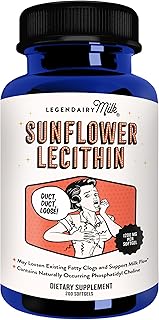
In the world of dietary supplements, few ingredients offer the versatile range of benefits that sunflower lecithin does. As a natural source of phosphatidyl choline and other essential phospholipids, it plays a crucial role in cellular health, brain function, and metabolic processes. Unlike its more common soy-based counterpart, sunflower lecithin is often preferred for its non-GMO status and lower allergenic potential. This comprehensive guide will explore the science, benefits, and practical applications of this powerful supplement, helping you understand why it has become a staple for health-conscious individuals.
Many people first encounter lecithin as an emulsifier in their food, but its role in the human body is far more profound. Derived from sunflower seeds through a gentle cold-pressing process, sunflower lecithin is a complex mixture of fats that are vital to the structure and function of every cell membrane. Its primary active component, phosphatidyl choline, is a precursor to acetylcholine, a key neurotransmitter involved in memory, learning, and muscle control. By delving into the specifics of how sunflower lecithin works, we can better appreciate its multifaceted health applications.
What is Sunflower Lecithin? The Science Explained
At its core, lecithin is a type of phospholipid, a fat molecule that is both water-soluble and fat-soluble. This unique property makes it an exceptional emulsifier, capable of blending substances that would otherwise separate, like oil and water. In the context of human physiology, this characteristic is equally important. Phospholipids form the bilayer structure of all our cell membranes, creating a flexible, semi-permeable barrier that regulates what enters and exits the cell. Sunflower lecithin is particularly rich in phosphatidyl choline, which constitutes a significant portion of this cellular framework and is integral to liver function and fat metabolism.
The extraction process for sunflower lecithin is typically cleaner than for soy lecithin. It involves dehydrating sunflower seeds and separating them into oil, gum, and solids. The gum is the lecithin, which is then further purified. This method often avoids the harsh chemical solvents used in some soy processing, resulting in a purer, more natural product. For those seeking a dietary supplement free from common allergens and genetic modification, sunflower-derived lecithin presents a compelling choice.
Top Health Benefits of Sunflower Lecithin
1. Cognitive Support and Brain Health
The link between phosphatidyl choline and cognitive function is well-documented. As a precursor to acetylcholine, adequate levels are crucial for maintaining memory, focus, and overall mental clarity. Studies suggest that supplementing with lecithin may support cognitive processes, especially as part of a comprehensive approach to brain health. The phospholipids in lecithin also contribute to the structural integrity of brain cell membranes, facilitating better communication between neurons.
2. Liver Function and Fat Metabolism
The liver relies on phosphatidyl choline to package and export fats. Without sufficient amounts, fats can accumulate in the liver, potentially leading to fatty liver disease. Supplementing with sunflower lecithin provides the raw materials the liver needs to produce very-low-density lipoproteins (VLDL), which transport triglycerides out of the liver. This makes it a valuable component of any strategy for liver support, particularly for individuals with dietary imbalances or metabolic concerns.
3. A Superior Natural Emulsifier
Beyond internal benefits, sunflower lecithin's emulsifying properties have practical applications. In the kitchen, it can be used to create stable salad dressings, smoothies, and baked goods without separation. For individuals on fat-soluble supplement regimens (like vitamins A, D, E, and K), adding a bit of lecithin can improve absorption. Its role as a natural emulsifier bridges the gap between dietary aid and culinary tool, showcasing its versatility.
4. Cardiovascular and Cellular Health
By aiding in the proper metabolism and transport of cholesterol and other lipids, sunflower lecithin may contribute to a healthier cardiovascular profile. Furthermore, the choline derived from it is involved in the methylation cycle, a critical biochemical process for DNA synthesis and cellular repair. Healthy cell membranes are more resilient and function better in nutrient uptake and waste removal, forming the foundation of overall wellness.
Choosing the Right Sunflower Lecithin Supplement
Not all sunflower lecithin supplements are created equal. Key factors to consider include the concentration of active phospholipids (especially phosphatidyl choline), the form (softgels, granules, or liquid), and the presence of any additives. A high-quality supplement will clearly state its phosphatidyl choline content. For example, a product like NOW Foods Sunflower Lecithin 1200 mg specifies its inclusion of this vital compound, offering transparency about what you're actually consuming per serving.
The delivery form also matters. Softgels offer convenience and precise dosing, making them ideal for consistent daily supplementation. Granules or powder can be easily mixed into foods or drinks for those who prefer a more flexible option. It's also wise to choose brands with a reputation for quality and purity, as the supplement industry varies widely in its manufacturing standards.
Common Myths and Misconceptions About Lecithin
Myth 1: All lecithin is the same. This is perhaps the most significant error. Soy lecithin and sunflower lecithin differ in source, common processing methods, and potential for allergens. Sunflower lecithin is generally considered a cleaner, more hypoallergenic option.
Myth 2: Lecithin is just for lowering cholesterol. While it can support healthy lipid metabolism, its benefits extend far beyond that single function, encompassing brain, liver, and cellular health as previously discussed.
Myth 3: You can get all you need from food. While lecithin is present in foods like eggs and soybeans, modern diets and individual health conditions may not provide optimal amounts. Supplementation can help fill this nutritional gap, especially for targeted brain health or liver support goals.
How to Incorporate Sunflower Lecithin into Your Routine
Dosage can vary based on individual health goals. For general wellness and cognitive support, a common dosage ranges from 1,200 mg to 2,400 mg daily, often divided into two doses. It's always best to start at the lower end of the range and assess tolerance. For specific applications like using it as a culinary natural emulsifier, a teaspoon of granules or liquid (roughly 5 grams) is typically sufficient to stabilize a recipe.
Consistency is key with fat-soluble supplements. Taking your sunflower lecithin with a meal that contains some dietary fat can enhance its absorption. Whether you choose a trusted brand like NOW Foods in convenient softgel form or opt for a versatile powder, integrating it into your daily regimen can be a simple yet powerful step toward supporting multiple aspects of your health from the cellular level up.
Final Thoughts: Is Sunflower Lecithin Right for You?
Sunflower lecithin stands out as a multifaceted supplement that addresses several modern health concerns—from cognitive decline and fatty liver to the need for natural, functional food ingredients. Its rich phosphatidyl choline content and soy-free, often cleaner extraction process make it an attractive option. As with any supplement, it should complement a balanced diet and healthy lifestyle. For those looking to support membrane integrity, liver function, and mental clarity, a high-quality sunflower lecithin supplement, such as the one offered by NOW Foods, represents a well-researched and practical addition to a holistic health strategy.