Nintendo has a unique talent for creating charming, quirky life simulation games that capture our imaginations. Two standout titles that often get compared are Tomodachi Life and Miitopia for the Nintendo Switch. While both games revolve around the beloved Mii characters, they offer vastly different experiences. If you're trying to decide which quirky adventure is right for you, this comprehensive guide will break down the key differences in gameplay, customization, and overall charm.
Understanding the Core Gameplay: Life Sim vs. RPG Adventure
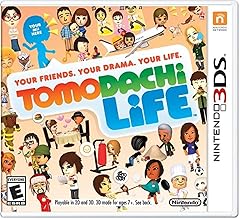
The most fundamental difference lies in the genre. Tomodachi Life is a pure life simulation game. You populate an island with Miis based on yourself, friends, family, or celebrities, and then watch their daily lives unfold. The gameplay is passive and observational; you provide items, solve their quirky problems, and witness unpredictable interactions, but you don't directly control their actions. It's like a digital ant farm or a whimsical reality TV show starring your custom characters.
In contrast, Miitopia is a role-playing game (RPG) adventure with life sim elements. The Miis you create become heroes in a grand, humorous quest to save their faces from a dark lord. You actively control a party of Miis in turn-based battles, manage their relationships at an inn, and guide them through a linear story across various themed worlds. The core loop involves exploration, combat, and strengthening your party, making it a more traditional game with clear objectives.
Character and Party Customization: Depth and Humor
Both games excel in customization, but they apply it differently. Tomodachi Life focuses on personality and social customization. You assign personalities, voices, and interests to each Mii, which directly influences how they interact. Will your grumpy friend start a feud with your cheerful sibling? The game's magic is in these emergent, often hilarious stories. You also customize their apartments and provide a wide array of food, clothing, and accessories.
Miitopia takes customization into the realm of RPG classes and party dynamics. Here, you assign jobs like Warrior, Chef, Pop Star, or Cat to your Miis, which determines their combat abilities. The party customization is deep, as you must balance your team's roles. Furthermore, the relationships (or "friendship levels") between Miis directly impact battle, allowing for powerful team-up attacks. You also customize their gear and weapons, adding a tangible progression system that Tomodachi Life lacks.
The Social Experience: Observation vs. Orchestration
This is where the player's role diverges completely. In Tomodachi Life, you are an observer and a facilitator. You watch relationships blossom (or crumble), marriages happen, and babies appear. You help Miis with their problems, which range from wanting a new hat to having a bizarre dream. The joy is in the surprise and the sheer absurdity of seeing your Miis live their lives in ways you never predicted.
In Miitopia, you are a director. You build the party, decide who rooms together at the inn (which speeds up their relationship building), and strategize in combat. The social elements are woven into the core RPG gameplay. Two Miis who become friends might save each other in battle or perform a combined attack. While the interactions are scripted by their personalities and relationships, you actively guide the journey, making it a more goal-oriented social experience.
Content, Longevity, and Replayability
Tomodachi Life offers a near-infinite sandbox of potential stories, but it lacks a traditional endgame. Its longevity depends entirely on your engagement with your Mii island. Checking in daily, adding new characters, and unlocking all the items can provide dozens of hours of fun. However, some players may find the lack of directed goals limiting after the initial novelty wears off.
Miitopia, as an RPG adventure, has a clear beginning, middle, and end. The main story offers a substantial 30-50 hours of gameplay. The Switch version adds significant post-game content, including a challenging tower and a horse companion, extending playtime further. Replayability comes from trying different job combinations and putting new faces on the story's characters, which can lead to wonderfully incongruous scenarios (imagine a famous villain portrayed by your pet cat's Mii).
Which Game Should You Choose?
Choose Tomodachi Life if: You love open-ended, passive simulation. You enjoy creating characters and watching unpredictable, humorous interactions without direct control. Your fun comes from emergent storytelling and the daily novelty of checking in on your quirky island community. You prefer a game with no pressure, goals, or game-over screens.
Choose Miitopia if: You want structure with your whimsy. You enjoy turn-based RPG mechanics, character progression, and a defined adventure. You like the idea of a life sim's social systems directly influencing combat strategy. You want a lengthy, goal-oriented experience with a satisfying conclusion and robust post-game content on your Nintendo Switch.
Conclusion: Two Sides of the Mii Coin
Ultimately, comparing Tomodachi Life and Miitopia is like comparing a sitcom to a fantasy novel. Both feature your custom Miis and are filled with Nintendo's signature charm and humor, but they deliver fundamentally different experiences. Tomodachi Life is the ultimate digital dollhouse, a life simulation game about observation and absurdity. Miitopia is a hilarious and heartfelt RPG that uses the Mii concept to create a memorable adventure with deep party customization. Whichever you choose, you're in for a uniquely Nintendo experience that celebrates creativity and connection in the most delightful ways.