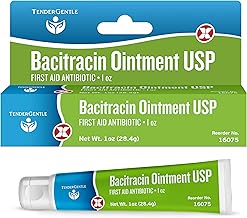
When it comes to treating minor injuries like cuts, scrapes, and burns, preventing infection is the top priority. A small wound can quickly become a serious problem if bacteria are allowed to multiply. This is where topical antibiotic ointments, particularly those containing Bacitracin, become an indispensable part of any first-aid kit. For decades, Bacitracin has been trusted by healthcare professionals and families alike for its effectiveness in creating a protective barrier against common skin bacteria.
This comprehensive guide will explore everything you need to know about Bacitracin ointment. We'll cover how it works, its specific uses, the advantages of formulations like Bacitracin Zinc Ointment, and why single-use packets are revolutionizing convenient and hygienic wound care. Whether you're stocking a home medicine cabinet, preparing a travel kit, or managing a workplace first-aid station, understanding this antibiotic is key to effective minor wound care.
What is Bacitracin and How Does It Work?
Bacitracin is a polypeptide antibiotic derived from the bacterium *Bacillus subtilis*. It was discovered in 1945 and has since become a staple in topical antimicrobial therapy. Unlike systemic antibiotics taken orally or via injection, Bacitracin is designed for direct application to the skin. Its primary mechanism of action is to interfere with the cell wall synthesis of bacteria, effectively stopping their growth and multiplication. It is particularly effective against gram-positive bacteria, including common skin pathogens like *Staphylococcus* and *Streptococcus* species, which are frequent culprits in wound infections.
When combined with zinc, as in Bacitracin Zinc Ointment, the formulation gains additional benefits. Zinc is known for its role in skin health and wound healing. It acts as an astringent with mild antiseptic properties and is a co-factor for numerous enzymes involved in tissue repair and regeneration. This combination makes the ointment not just an infection fighter, but also a supporter of the body's natural healing process. The ointment base itself, typically petroleum jelly, provides a crucial moist environment that prevents the wound from drying out and forming a hard scab, which can slow healing and increase scarring.
When to Use Bacitracin Ointment: Appropriate First Aid Scenarios
Knowing when to apply an antibiotic ointment is as important as knowing how. Bacitracin is specifically intended for minor, superficial wounds where the skin barrier is broken but the injury is not severe. Its core purpose is infection prevention. Ideal use cases include:
- Minor Cuts and Scrapes (Abrasions): Clean the wound thoroughly with mild soap and water, pat dry, and apply a thin layer of ointment. This creates a protective seal against environmental bacteria.
- Small Burns: For first-degree burns (redness) and small second-degree burns (blisters), after cooling the burn, Bacitracin can help prevent infection in the damaged skin.
- Preventing Infection in Healing Wounds: Reapplication during the initial healing phase keeps the wound moist and protected.
- Superficial Skin Irritations: It can sometimes be used on minor skin cracks or irritations prone to bacterial contamination.
It is crucial to recognize when *not* to use Bacitracin. Do not use it on deep wounds, puncture wounds, animal bites, or serious burns. These require immediate medical attention. Also, avoid using it on large areas of skin or for prolonged periods without consulting a doctor, as this can increase the risk of side effects or contact dermatitis.
The Superior Hygiene of Single-Use Packets
Traditional multi-use tubes of ointment present a significant hygiene concern. Every time the tube is opened and a finger touches the nozzle, there's a risk of introducing new bacteria into the product, which can then be transferred to a wound. This defeats the very purpose of an antibiotic ointment. This is where the innovation of single-use packets shines.
Products like the Globe 144 Packets Bacitracin Zinc Ointment eliminate cross-contamination risk. Each 0.9g packet contains a pre-measured, sterile dose sufficient for a typical minor wound application. You use one packet per wound, ensuring the ointment remains uncontaminated from first use to last. This is especially vital in settings like:
- First Aid Kits: For use in offices, schools, workshops, or public spaces where multiple people may need care.
- Travel First Aid: Packets are lightweight, durable, and won't leak in your bag, making them perfect for hiking, camping, or international travel.
- Healthcare & Hospitality: Where maintaining strict hygiene protocols is non-negotiable.
- Family Use: Preventing the spread of germs between family members when treating different individuals.
The convenience factor is also substantial. There's no mess, no waste from expired half-used tubes, and no guessing about how much to apply. For bulk needs, a 144-pack box ensures you're always prepared for multiple incidents without compromising on sterility.
How to Apply Bacitracin Ointment Correctly
Proper application maximizes effectiveness and minimizes risks. Follow these steps for optimal first-aid ointment use:
- Clean the Wound: Gently rinse the area with clean, running water. Use mild soap to clean the surrounding skin, but avoid getting soap directly in the wound. Pat the area completely dry with a clean cloth or gauze.
- Apply the Ointment: If using a single-use packet, tear it open carefully. Squeeze a small amount (a thin layer is sufficient) onto a clean cotton swab or gauze pad, or directly onto the wound if you can avoid touching the packet to your skin. Gently spread it over the entire affected area.
- Cover if Necessary: For cuts and scrapes, especially in areas that might get dirty (like hands or knees), cover the ointment with a sterile bandage or adhesive strip. This adds an extra layer of protection. For minor burns, a non-stick gauze pad is often recommended.
- Reapply and Monitor: Change the bandage and reapply the ointment one to three times daily, or whenever the bandage becomes wet or dirty. Always clean the wound gently before reapplication. Monitor for signs of infection: increased redness, swelling, warmth, pus, or red streaks. If these appear, discontinue use and see a doctor.
Safety, Side Effects, and Alternatives
Bacitracin is generally safe for most people when used as directed for minor wounds. However, as with any medication, side effects are possible. The most common is local allergic contact dermatitis, which can present as increased redness, itching, swelling, or a rash around the application site. If this occurs, stop using the product immediately, wash the area gently, and consider an alternative.
While bacitracin zinc ointment is highly effective, other topical antibiotics like Neomycin-Polymyxin B-Bacitracin (Neosporin) or plain Polymyxin B are available. Some individuals may be allergic to one component (like neomycin) but tolerate Bacitracin alone well. For those with sensitive skin or known allergies, plain petroleum jelly (Vaseline) provides an excellent moisture barrier for wound healing without the antibiotic, though it lacks the direct infection-fighting power.
It's also important to note the ongoing discussion about antibiotic resistance. While the risk of systemic resistance from topical use is considered low compared to oral antibiotics, it is not zero. This underscores the importance of using Bacitracin only when truly needed—for broken skin with a risk of infection—and not as a general-purpose cream.
Why Bulk Single-Use Packets are a First-Aid Game Changer
Investing in a bulk supply of single-use bacitracin ointment packets, such as the 144-pack option, is a strategic move for anyone serious about preparedness. Beyond the hygiene benefits, it offers practical and economic advantages:
- Cost-Effective: Buying in bulk often reduces the cost per application compared to individual small tubes.
- Guaranteed Freshness & Potency: Each sealed packet protects the ointment from air and light, which can degrade the antibiotic over time in an opened tube.
- Perfect Portion Control: Eliminates the guesswork and potential waste of squeezing too much from a tube.
- Unmatched Convenience for Distribution: Easy to hand out individually in any setting, from a workplace accident to a community event.
For families, having a stash of these packets means you're always ready for the inevitable scraped knees and paper cuts. For organizations, it simplifies first-aid protocol compliance and inventory management. For the avid traveler or outdoors enthusiast, a few packets tucked into a backpack take up negligible space but provide significant peace of mind.
Conclusion: An Essential Layer of Protection
Bacitracin, especially in its zinc ointment form delivered via sterile single-use packets, remains a cornerstone of modern first aid. It effectively bridges the gap between a minor injury and full healing by preventing bacterial infection and maintaining a moist wound environment. By understanding its proper use—applying a thin layer to clean, minor wounds—you harness its full potential while minimizing risks.
Equipping your home, vehicle, or workplace with a reliable product like Globe Bacitracin Zinc Ointment in single-use packets is an investment in health, hygiene, and preparedness. It embodies the principle that the best treatment is often a simple, timely, and correct intervention. Remember, for serious injuries, always seek professional medical help. But for the everyday cuts, scrapes, and burns of life, having a trusted first-aid ointment on hand is the first step towards safe and swift recovery.