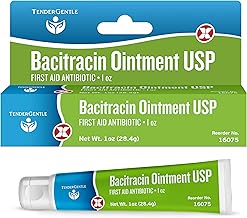
In the world of first aid and minor wound management, few products are as ubiquitous and trusted as Bacitracin. This topical antibiotic has been a staple in medicine cabinets, first aid kits, and clinical settings for decades, offering a reliable first line of defense against infection. Whether you're dealing with a simple paper cut, a kitchen burn, or a child's scraped knee, understanding how to properly use this medication is key to promoting healing and preventing complications. This comprehensive guide delves into the science, applications, and best practices for using bacitracin zinc ointment, empowering you with the knowledge to care for minor injuries effectively and safely.
What is Bacitracin Zinc and How Does It Work?
Bacitracin is a polypeptide antibiotic derived from the bacterium *Bacillus subtilis*. In its common over-the-counter form, it is combined with zinc to create bacitracin zinc, which enhances the stability of the antibiotic. Its primary mechanism of action is to inhibit bacterial cell wall synthesis. Specifically, it interferes with the dephosphorylation of the lipid carrier that moves peptidoglycan building blocks across the bacterial cell membrane. Without a properly formed cell wall, bacteria become vulnerable and eventually die. This makes it highly effective against a range of gram-positive bacteria, including *Staphylococcus aureus* and *Streptococcus pyogenes*, which are common culprits in skin infections.
It's crucial to understand that topical antibiotics like bacitracin are designed for external use only. They create a protective, moist barrier over a minor wound. This barrier serves a dual purpose: it delivers the antibiotic directly to the site of potential infection and keeps the wound bed moist, which is clinically proven to accelerate the healing process compared to letting a wound dry out and scab. For those managing a first aid station or needing a larger supply, a product like the 15 Oz. Jar of Bacitracin Zinc provides a cost-effective and convenient solution for frequent use.
Proper Uses: When to Reach for Bacitracin Ointment
Using the right first aid ointment at the right time is fundamental to effective minor wound care. Bacitracin zinc ointment is specifically indicated for the prevention of infection in minor skin injuries. Appropriate uses include:
- Cuts and Scrapes: After thorough cleaning with mild soap and water, a thin layer of ointment can protect the wound from bacterial contamination.
- Minor Burns: For first-degree burns (redness) and small second-degree burns (blisters), bacitracin can soothe the skin and prevent infection as new skin forms.
- Abrasions and Grazes: Common injuries from falls, these wounds often have dirt and debris; after cleaning, the ointment acts as a protective seal.
- Small Surgical Wounds: Often recommended by doctors for keeping minor surgical incisions or suture sites clean and moist during healing.
It is not intended for deep wounds, puncture wounds, animal bites, or serious burns. These require immediate medical attention. Furthermore, it should not be used on large areas of the body or for prolonged periods without consulting a healthcare provider, as this can increase the risk of side effects or antibiotic resistance.
The Step-by-Step Wound Care Protocol
Applying an antibiotic ointment is just one step in a proper wound care routine. For optimal results, follow this protocol:
- Clean: Gently rinse the wound with cool, clean running water. Use a mild soap to clean the surrounding skin, but avoid getting soap directly in the wound as it can cause irritation.
- Pat Dry: Use a clean gauze pad or paper towel to gently pat the area dry.
- Apply Ointment: Using a clean cotton swab or gauze, apply a thin layer of bacitracin zinc ointment over the entire wound. A little goes a long way; a thick layer does not increase efficacy and may keep the wound too moist.
- Cover: For most cuts and scrapes, cover the wound with a sterile bandage or adhesive strip. This keeps the ointment in place and provides an additional barrier against dirt and bacteria. Change the bandage daily, or whenever it becomes wet or dirty.
This process highlights the role of wound care products as part of a system, not a standalone solution. The 15 oz. jar format is particularly useful for settings like clinics, schools, or workshops where this protocol may be performed frequently.
Understanding Risks, Side Effects, and Allergies
While generally safe for most people, being aware of potential reactions is a critical part of responsible use. The most common side effect is local contact dermatitis—an itchy, red rash at the application site. This is often a sign of irritation rather than a true allergy. However, a true allergic reaction to bacitracin is possible and can manifest as severe itching, swelling, hives, or even difficulty breathing (though this is rare with topical use).
If you suspect an allergy, discontinue use immediately. A significant concern in the medical community is the overuse of topical antibiotics, which can contribute to bacterial resistance and increase the risk of developing contact allergies over time. This is why experts emphasize using these ointments only when necessary for infection prevention in fresh, minor wounds, and not as a general moisturizer or for every tiny scratch.
Bacitracin in the Context of Other First Aid Treatments
How does bacitracin compare to other common options like petroleum jelly (Vaseline) or over-the-counter antiseptics? Petroleum jelly provides an excellent moist barrier but lacks antibacterial properties. It's a fantastic choice for keeping a cleaned wound moist if there is no sign of infection. Antiseptics like iodine or hydrogen peroxide are powerful cleaners but can damage healthy tissue and delay healing if used repeatedly on an open wound; they are best for initial cleaning.
Antibiotic ointment sits in the middle: it provides a moist healing environment *and* delivers targeted antibacterial action. For general skin infection treatment prevention in minor wounds, a topical antibiotic like bacitracin is often the recommended choice after cleaning. Some products combine bacitracin with other antibiotics (like neomycin and polymyxin B) for broader coverage, but these carry a higher risk of allergic reaction.
Practical Tips for Home and Professional Use
Integrating bacitracin into your health and safety plan requires some practical wisdom. For home use, a small tube is sufficient. However, for small businesses, daycare centers, sports teams, or industrial settings, buying in bulk is more economical. The 15 oz. jar of Bacitracin Zinc is a prime example of a bulk dermatological ointment that ensures you're never unprepared. Store it in a cool, dry place, and always use a clean utensil or swab to remove ointment from the jar to prevent contaminating the entire supply. Never "double-dip" a used swab.
Remember, the goal is infection prevention. If a wound shows signs of infection—such as increasing redness, swelling, warmth, pus, red streaks, or fever—stop using the ointment and consult a doctor immediately. Topical antibiotics are not designed to treat established infections.
Conclusion: An Essential, Yet Mindful, Tool for Healing
Bacitracin zinc ointment remains an essential, effective, and convenient tool in the realm of minor wound management. Its ability to create a protective, healing environment while fighting off common bacteria makes it a justified staple. By understanding its proper applications, following a meticulous wound care protocol, and being mindful of its limitations and potential risks, you can use this topical antibiotic to its fullest potential. Whether you choose a small tube for your travel kit or a large 15 oz. jar for your organization's first aid station, using it knowledgeably ensures you are promoting safe and speedy recovery for every minor scrape, cut, and burn.