For over two decades, a hero clad in nothing but tighty-whities and a red cape has been fighting for laughter, creativity, and the right to pull a good prank. That hero is Captain Underpants, the brainchild of author and illustrator Dav Pilkey. What began as a simple, silly idea to entertain a hyperactive second-grader has exploded into a global publishing phenomenon, selling millions of copies and single-handedly turning countless reluctant readers into book-loving kids. This series is more than just bathroom humor; it's a masterclass in understanding what makes young readers tick.
The story of Captain Underpants is almost as legendary as the character himself. Dav Pilkey, who was diagnosed with ADHD and dyslexia as a child, was often sent out into the hallway during class for being disruptive. It was there that he began creating comic books about a superhero he called "Captain Underpants." Decades later, that childhood creation became his ticket to literary fame. The series follows two mischievous but good-hearted fourth graders, George Beard and Harold Hutchins, who hypnotize their mean principal, Mr. Krupp, turning him into the dim-witted, noble, and underwear-clad superhero whenever they snap their fingers.
The Secret Sauce: Why Kids Love Captain Underpants
The immense popularity of the Captain Underpants series isn't an accident. Pilkey expertly taps into the core sensibilities of his audience. First and foremost is the humor. The books are packed with slapstick comedy, puns, and yes, plenty of potty jokes. This type of humor is an immediate hook for children, making reading feel less like a chore and more like play. Furthermore, the books are highly subversive. George and Harold are constantly outwitting authority figures, a fantasy that resonates deeply with kids who feel powerless in a world run by adults.
Beyond the laughs, the series is incredibly accessible. The chapters are short, the font is engaging (often changing for dramatic effect), and the pages are filled with Pilkey's energetic cartoon illustrations and iconic "Flip-O-Rama" animation sections where readers can flip pages back and forth to create a crude cartoon. This multimodal approach caters to different learning styles and keeps the reading experience dynamic and interactive, which is crucial for maintaining the attention of young readers, especially those who struggle with traditional text-heavy books.
More Than Just Jokes: The Educational Impact
Despite facing occasional challenges from parents and school boards who dismiss it as "lowbrow," educators and literacy experts have widely praised the Captain Underpants series for its profound impact on literacy. The primary achievement of these books is their ability to create readers. For a child who finds reading difficult or boring, a thick novel can be a daunting barrier. A Captain Underpants book, with its humor, pictures, and fast pace, is an inviting gateway. It builds confidence and establishes a positive association with books.
The series also cleverly encourages creativity. George and Harold are not just pranksters; they are writers and artists who create their own comic books, the "Captain Underpants" comics within the novels. This meta-narrative shows kids that they too can be creators of stories. Pilkey even includes instructions on how to draw the characters and create your own Flip-O-Rama, actively inviting readers to participate in the creative process. This empowerment is a powerful tool for developing young minds.
The Evolution of a Universe: From Books to Screen
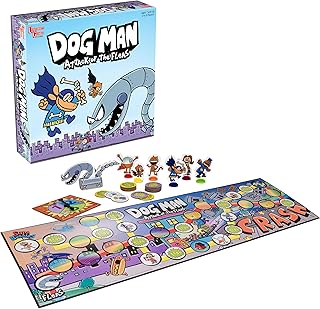
The world of Underpants has expanded far beyond the original book series. Pilkey introduced spin-offs like "The Adventures of Super Diaper Baby" and the more recent "Dog Man" series, which follows a similar formula of heart and humor. The franchise reached a new audience with the 2017 animated film adaptation, "Captain Underpants: The First Epic Movie." The film successfully captured the anarchic spirit and visual style of the books, introducing the heroic yet clueless Captain Underpants to an even wider generation of fans.
This multimedia success underscores the timelessness of the core concept. The themes of friendship (George and Harold's bond is unbreakable), standing up to bullies (whether they're schoolyard tyrants or evil talking toilets), and using imagination to solve problems are universally appealing. The series doesn't talk down to children; it meets them on their level, validates their sense of humor, and then sneakily teaches them about loyalty, perseverance, and the joy of storytelling.
The Legacy of Laughter and Literacy
Today, the legacy of Captain Underpants is secure. It stands as a testament to the idea that any story, no matter how silly it may seem, has value if it connects with its audience. Dav Pilkey turned his childhood challenges into his greatest strength, creating a body of work that celebrates difference, champions the underdog, and, most importantly, makes reading fun. For parents wondering if these books are "good" for their kids, the answer is a resounding yes. They are a bridge.
In a landscape of children's literature that can sometimes feel overly earnest or didactic, Captain Underpants remains a refreshing burst of unadulterated fun. It reminds us that laughter is a powerful motivator and that a hero doesn't need a fancy suit to make a difference—sometimes, a cape and a pair of underpants are enough. As long as there are kids who would rather giggle than groan over homework, the call of "Tra-La-Laaa!" will continue to echo from bookshelves and screens around the world.