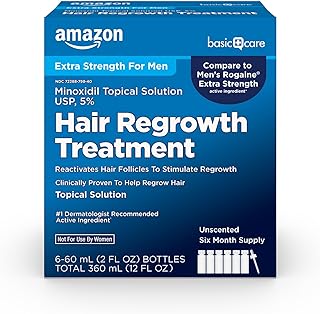
In the crowded landscape of hair loss solutions, finding a product that delivers on its promises can feel like searching for a needle in a haystack. Among the contenders, Minoxigaine has emerged, positioning itself as a potent, multi-targeted formula for both men and women. This comprehensive review dives deep into this 5% minoxidil serum, enriched with biotin, batana oil, and rosemary, to answer the critical question: does it truly work for hair and beard regrowth, or is it just another overhyped solution? We'll analyze its ingredients, mechanism of action, real-world user feedback, and how it compares to other treatments on the market.
Understanding the Core: What is Minoxigaine?
At its heart, Minoxigaine is a topical hair growth serum built around the clinically-proven foundation of 5% minoxidil. Minoxidil is an FDA-approved vasodilator, meaning it works by widening blood vessels and increasing blood flow to hair follicles. This enhanced circulation delivers more oxygen and nutrients, potentially revitalizing shrunken follicles and extending the growth phase of the hair cycle. However, Minoxigaine doesn't stop there. It incorporates a synergistic blend of supporting actives like biotin, a B-vitamin crucial for keratin production, and rosemary oil, which studies suggest may be as effective as 2% minoxidil for hair growth. This combination aims to address hair loss from multiple angles, not just with a single active ingredient.
Decoding the Powerhouse Formula: Key Ingredients Analyzed
5% Minoxidil: The Gold Standard
The 5% minoxidil concentration is the star of the show and a key reason many users seek out products like Minoxigaine. This strength is widely considered the most effective over-the-counter option for pattern hair loss (androgenetic alopecia) in men and is also used by women. It's crucial to understand that minoxidil is a treatment, not a cure. It works best for those in the early to mid-stages of hair loss and requires consistent, long-term use to maintain results. Discontinuation often leads to a reversal of gains, a common trait among effective hair loss treatments.
Biotin: The Building Block Supplement
While topical biotin's direct efficacy for hair growth is less documented than minoxidil's, its role is supportive. Biotin is essential for producing keratin, the protein that makes up hair, skin, and nails. A biotin serum applied directly to the scalp may help strengthen existing hair strands, potentially reducing breakage and improving overall hair health and thickness, complementing the regrowth stimulated by minoxidil.
Rosemary Oil: Nature's Answer to Minoxidil?
The inclusion of rosemary for hair is a strategic, evidence-backed choice. A 2015 study published in the journal *Skinmed* found that rosemary oil was as effective as 2% minoxidil in treating androgenetic alopecia after six months, with the added benefit of causing less scalp itching. Rosemary is believed to work by inhibiting DHT (a hormone linked to hair loss), improving circulation, and possessing anti-inflammatory properties. Its presence in Minoxigaine adds a natural, research-supported element to the formula.
Batana Oil: The Niche Moisturizer
Batana oil, extracted from the nut of the American palm, is a less common but valuable addition. Rich in fatty acids and antioxidants, it acts as an excellent moisturizer and emollient. For a treatment serum, this helps counteract the drying and flaking side effects commonly associated with extra strength minoxidil solutions, improving the user experience and scalp health.
Who is Minoxigaine For? Target Audience and Use Cases
This serum is designed with a broad but specific audience in mind. Primarily, it targets individuals experiencing pattern hair loss on the scalp. Men with receding hairlines or thinning crowns may find it beneficial, as may women with diffuse thinning. A significant and growing use case is for beard regrowth and filling in patchy areas. The vasodilating properties of minoxidil can stimulate follicles in the beard area, a practice popularized in online communities. However, it's vital to consult a dermatologist before starting any new treatment, especially for off-label uses, to understand potential risks like facial hair growth in unwanted areas for women or systemic side effects.
Real-World Application: How to Use Minoxigaine for Best Results
For optimal results, consistency and correct application are non-negotiable. The typical protocol involves applying 1 mL of the serum directly to a clean, dry scalp in the thinning area twice daily. For beard growth, a smaller amount is applied to the desired areas. Gently massaging it in ensures absorption. Patience is key; visible results often take a minimum of 3-4 months, with significant improvement potentially taking 6 months to a year. Users should be prepared for a "dread shed"—a temporary increase in hair shedding in the first few weeks as the treatment pushes old hairs out to make way for new, stronger growth. This is a common and often positive sign that the treatment is working.
Weighing the Pros and Cons: An Honest Assessment
Potential Benefits (The Pros)
• Multi-Ingredient Approach: Combines the proven power of 5% minoxidil with supportive, research-backed ingredients like rosemary and nourishing batana oil.
• Dual Gender Formulation: Marketed for both men and women, expanding its applicability.
• Targets Multiple Concerns: Aims not only to regrow hair but also to improve hair thickness and health with biotin and moisturizing oils.
• Addresses Side Effects: Ingredients like batana oil may help mitigate the dryness caused by minoxidil.
Potential Drawbacks and Considerations (The Cons)
• Requires Lifelong Commitment: Like all minoxidil-based treatments, stopping use will likely reverse the hair growth benefits.
• Possible Side Effects: Can include scalp irritation, dryness, itching, and unwanted facial hair growth. Systemic absorption, though rare, can cause dizziness or heart palpitations in sensitive individuals.
• The "Dread Shed": The initial shedding phase can be discouraging for new users who are unaware it's a normal process.
• Results Vary: Effectiveness is highly individual and depends on the cause and stage of hair loss.
User Experiences and Community Feedback
Anecdotal reports from online forums and review platforms paint a varied picture, which is typical for hair growth products. Many users of Minoxigaine and similar serums report positive outcomes, noting reduced shedding after the initial phase, followed by the appearance of new "baby hairs" along the hairline and in thinning areas. Beard users often share progress photos showing improved density over several months. However, a subset of users reports no visible change or an inability to tolerate the side effects, particularly scalp irritation. This underscores the importance of managing expectations and conducting a patch test before full application.
How Does Minoxigaine Compare to Other Solutions?
Compared to standard 5% minoxidil solutions (like Rogaine), Minoxigaine's value proposition lies in its enhanced formula. While generic minoxidil provides the core active ingredient, Minoxigaine adds ingredients intended to improve efficacy and user comfort. When compared to natural solutions like standalone rosemary oil, it offers a stronger, clinically-proven stimulant (5% minoxidil vs. rosemary's ~2% minoxidil equivalence). It sits in a middle ground between a pure drug and a natural remedy, which can be appealing to those seeking a comprehensive approach. For a detailed look at a specific product offering this formula, you can explore options like this 5% minoxidil serum with biotin and batana oil.
Final Verdict: Is Minoxigaine Worth Trying?
Minoxigaine, as a concept representing a 5% minoxidil serum fortified with biotin, rosemary, and batana oil, presents a theoretically sound and promising approach to hair and beard regrowth. Its formula addresses the limitations of plain minoxidil by aiming to enhance results and improve scalp tolerance. For individuals committed to a long-term treatment plan, who have realistic expectations, and who have consulted with a healthcare professional to rule out underlying medical causes of hair loss, it can be a viable option worth considering. Success hinges on consistency, patience through the initial shed, and finding a product from a reputable source. Ultimately, while not a miracle cure, it represents a potent tool in the ongoing battle against hair loss for many.