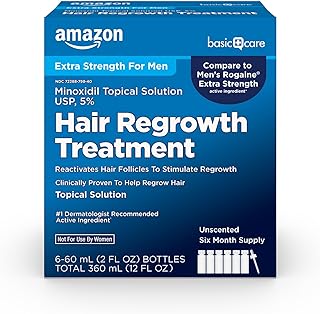
When it comes to addressing hair loss and promoting new growth, few ingredients have the clinical pedigree and widespread recognition of minoxidil. As a cornerstone of topical hair regrowth treatments, its effectiveness is well-documented. Among the various formulations available, Minoxigaine has emerged as a popular choice, particularly in its 5% foam version. This guide delves deep into what Minoxigaine is, how it works for both scalp hair and beard growth, and what you can realistically expect from this hair loss treatment.
Understanding the mechanism behind any treatment is key to using it effectively. Minoxigaine's active ingredient, minoxidil, was originally developed as a medication for high blood pressure. Researchers discovered a fascinating side effect: significant hair growth. While the exact mechanism for stimulating follicles isn't fully understood, it's widely believed that minoxidil works by widening blood vessels and opening potassium channels. This action increases blood flow, nutrient delivery, and oxygen supply to the hair follicles, potentially revitalizing shrunken follicles and extending the growth phase of the hair cycle. The 5% concentration is considered the standard effective strength for men, and is also used by many women, though women often start with a 2% formula.
Why Choose a Foam Formulation Like Minoxigaine?
The formulation of a minoxidil product significantly impacts the user experience. Minoxigaine is specifically an unscented foam. This offers several advantages over traditional liquid solutions. First, foams are generally less messy and easier to apply with precision, reducing the risk of the product dripping onto the face or neck. Second, the unscented foam variant is crucial for those sensitive to fragrances or who prefer a discreet, neutral product that won't clash with colognes, perfumes, or other grooming products. The foam also tends to dry faster and may cause less scalp irritation for some users compared to liquid solutions containing propylene glycol, a common irritant.
Minoxigaine for Scalp Hair Growth and Loss Treatment
For individuals experiencing androgenetic alopecia (pattern hair loss), Minoxigaine serves as a frontline treatment. Consistent application is non-negotiable. Users typically apply the foam to a clean, dry scalp twice daily. It's important to manage expectations: results are not overnight. Most users need to commit to at least 4 months of consistent use before noticing a reduction in hair shedding and the emergence of new, finer hairs (vellus hairs) that may gradually thicken. It's a treatment, not a cure; discontinuing use will usually lead to a reversal of the benefits, with hair loss resuming. For comprehensive hair growth strategies, Minoxigaine is often combined with other approaches like finasteride (for men), ketoconazole shampoo, microneedling, or nutritional supplements.
Leveraging Minoxigaine for Beard Growth
The use of minoxidil for beard growth has gained massive popularity, though this is an "off-label" use not officially approved by the FDA. The principle is the same: stimulating dormant hair follicles on the face. Many men with patchy or thin beards use products like Minoxigaine to fill in gaps and promote denser facial hair. The application routine is similar—applied to the beard area twice daily. The unscented foam is particularly beneficial here, as it's less likely to leave a noticeable residue or scent on the face. Patience is again critical, as facial hair growth cycles can take 6 months to a year to show significant, permanent results. Users should be aware of potential side effects like dryness, flaking, or increased facial hair in unintended areas (like the cheeks above the beard line).
Common Mistakes and How to Avoid Them
Maximizing the effectiveness of any regrowth treatment involves avoiding common pitfalls. A major error is inconsistent application. Skipping applications disrupts the constant stimulus the follicles need. Another mistake is using too much product; a half-capful of foam is usually sufficient for the scalp. More does not mean faster results and can increase side effects like scalp irritation or systemic absorption. Users often give up too soon, not allowing the full 4-6 month period for results to manifest. Furthermore, applying to a dirty or wet scalp can hinder absorption. Always ensure the target area is clean and completely dry before application.
Integrating Minoxigaine into Your Grooming Routine
For best results, Minoxigaine should become a seamless part of your daily regimen. Apply it after your morning shower and again in the evening, at least 4 hours before bedtime to allow it to dry completely and avoid transferring to your pillow. Gently massage it into the scalp or beard area with clean fingertips. Wait for it to fully dry before styling your hair or applying other products. It's also wise to pair its use with a gentle, sulfate-free shampoo and a good moisturizer to combat any dryness. Tracking your progress with monthly photos can provide motivation, as changes are often gradual and hard to notice day-to-day.
Realistic Expectations and Long-Term Commitment
It's crucial to approach Minoxigaine with realistic expectations. It works best for individuals in the early to mid-stages of pattern hair loss. It may not regrow hair on completely bald areas where follicles have been inactive for years. Results vary widely from person to person based on genetics, age, the cause of hair loss, and consistency. Some users experience a temporary "shedding phase" in the first few weeks as older hairs are pushed out to make way for new growth—this is actually a sign the treatment is working. Viewing Minoxigaine as a long-term maintenance solution, similar to a skincare routine, is the healthiest mindset for success.
Products like the Beaueli 5% Minoxidil foam exemplify the accessible, user-friendly formulations now available. Whether your goal is to combat a receding hairline, add density to thinning hair, or cultivate a fuller beard, a 5% minoxidil foam can be a powerful tool. By understanding how it works, using it correctly and consistently, and integrating it into a holistic approach to hair health, you can maximize your chances of achieving your desired results. Remember, consulting with a dermatologist is always recommended to confirm the cause of your hair loss and develop a personalized treatment plan.