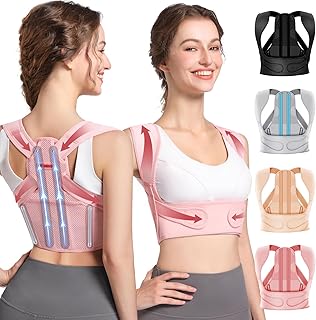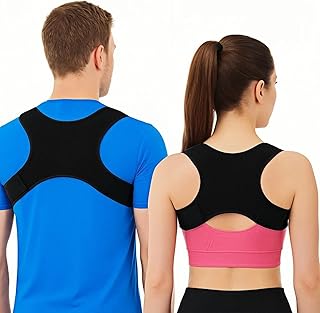
In today's digital age, where hours are spent hunched over screens, poor posture has become a widespread epidemic. The consequences extend beyond aesthetics, leading to chronic neck, shoulder, and upper back pain, reduced lung capacity, and even digestive issues. For many, the quest to stand taller and feel better leads them to consider a posture corrector. This comprehensive guide will explore how these devices work, their benefits, and how to use them effectively as part of a holistic approach to spinal health.
Understanding the Modern Posture Crisis: More Than Just Slouching
Poor posture, often characterized by rounded shoulders and a forward head position ("text neck"), places immense strain on the musculoskeletal system. This misalignment forces muscles in the back of the neck and upper back to work overtime, while the chest muscles become tight and shortened. The result is a cycle of pain, fatigue, and further slouching. A posture-corrector is designed to interrupt this cycle by providing gentle, consistent feedback and support, reminding your body of its proper alignment.
How Does a Posture Corrector Actually Work?
Contrary to popular belief, the best posture correctors are not rigid braces that force your body into position. Instead, they function as a training aid. Devices like the Vaunn Back Correction Belt use adjustable straps to apply gentle tension across the shoulders and upper back. This sensory feedback makes you consciously aware of when you begin to slouch. Over time, this awareness trains your postural muscles—the rhomboids, trapezius, and erector spinae—to engage and hold the correct position on their own. Think of it as a reminder, not a crutch.
Key Benefits of Using a Quality Upper Back Brace
Integrating a supportive upper-back-brace into your routine can yield significant benefits:
- Pain Relief: By aligning the spine and reducing strain on overworked muscles and ligaments, correctors can alleviate nagging neck, shoulder, and upper back pain.
- Muscle Memory Development: They help retrain your neuromuscular system, encouraging your body to default to a healthier posture without external aid.
- Increased Energy & Confidence: Proper alignment improves breathing and circulation, reducing fatigue. Standing tall also projects and can foster greater self-confidence.
- Prevention of Further Issues: Consistent use can help prevent the worsening of conditions like kyphosis (an exaggerated forward rounding of the back).
Introducing the Vaunn Back Correction Belt: An Invisible Posture Aid
When selecting a posture training device, features like comfort, adjustability, and discretion are paramount. The Vaunn Back Correction Belt for Women and Men is engineered with these needs in mind. Its key selling points address common user concerns:
Adjustable & Lightweight: A one-size-fits-most design with multiple adjustment points ensures a personalized, secure fit without bulk. This adjustable-posture-support is crucial for effective and comfortable wear.
Invisible Under Clothes: Made from thin, breathable materials, it's designed to be worn discreetly under everyday clothing, making it a practical invisible-posture-aid for office, home, or outings.
Targeted Support: It specifically focuses on the upper back and shoulder region, making it an effective tool for correcting hunchback slouching and providing neck-shoulder-pain-relief.
How to Use a Posture Corrector for Maximum Benefit
To get the most out of your back-correction-belt, follow these guidelines:
- Start Slow: Begin by wearing it for 15-30 minutes a day. Gradually increase the duration as your muscles adapt, aiming for a few hours during sedentary activities.
- Don't Overtighten: The straps should provide gentle reminder tension, not force or pain. You should be able to move and breathe comfortably.
- Combine with Exercise: A corrector is a training tool, not a substitute for strength. Pair its use with exercises that strengthen your back (rows, face pulls) and stretch your chest (doorway stretches).
- Mind Your Ergonomics: Use it while adjusting your workstation. Ensure your monitor is at eye level and your chair supports your lower back.
Beyond the Brace: Natural Posture Improvement Strategies
While a posture corrector is an excellent tool, sustainable improvement requires a multi-faceted approach. Consider these complementary practices:
Core Strengthening: A strong core (abdominals and lower back) is the foundation for good posture. Pilates and yoga are excellent disciplines for building this foundational strength.
Conscious Awareness: Set periodic reminders to check your posture. Roll your shoulders back and down, gently tuck your chin, and imagine a string pulling the crown of your head toward the ceiling.
Movement Breaks: Avoid static positions for more than 30 minutes. Set a timer to stand up, walk, and stretch regularly throughout the day.
Who Can Benefit from a Hunchback Corrector?
This tool is particularly useful for specific groups struggling with postural issues:
- Office Workers & Students: Those who spend long hours at desks or studying are prime candidates for an hunchback-corrector to combat slouching.
- Individuals with Early-Stage Kyphosis: For those noticing an increased forward curve in their upper back, a corrector can be part of a therapeutic plan under professional guidance.
- People Recovering from Injury: It can provide supportive feedback during rehabilitation to prevent compensatory poor posture.
- Anyone Seeking Pain Relief: If neck or shoulder pain is linked to posture, a corrector can be a non-invasive first step toward relief.
Important Considerations and Precautions
While generally safe, it's important to use posture correctors wisely. If you have a pre-existing spinal condition (like severe osteoporosis, herniated discs, or scoliosis), consult a doctor or physical therapist before use. Listen to your body; if you experience numbness, increased pain, or dizziness, discontinue use. Remember, the goal is to train your muscles, not to make them dependent on the device.
Conclusion: Your Path to a Healthier, Taller You
Correcting years of postural habits takes time, patience, and the right tools. A well-designed posture corrector, such as the Vaunn Back Correction Belt, can be a powerful ally in this journey by providing the consistent feedback needed to rebuild muscle memory. By combining its use with targeted exercises, ergonomic adjustments, and mindful movement, you can break the cycle of slouching and pain. Investing in your posture is an investment in your long-term health, vitality, and confidence. Start your correction journey today and experience the profound difference that standing tall can make.