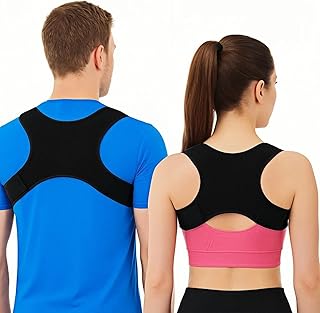
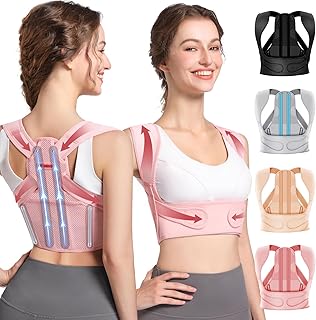
In today's digital age, where hours are spent hunched over desks and smartphones, poor posture has become a widespread concern. The quest for a solution often leads people to a simple yet effective tool: the Posture Corrector. These devices are designed not just as a temporary fix but as a training aid to help retrain your muscles and spine into a healthier, more aligned position. This comprehensive guide will explore everything you need to know about posture correctors, from their science-backed benefits to practical tips for choosing and using one effectively.
Understanding Posture and Its Impact on Health
Good posture is more than just standing up straight; it's the proper alignment of your body where the least strain is placed on supporting muscles and ligaments. When your spine is in a neutral position, your head, shoulders, hips, knees, and ankles should align. Chronic poor posture, however, can lead to a cascade of health issues. It places excessive stress on your spine, leading to wear and tear on vertebrae, and can cause persistent muscle strain as muscles work overtime to compensate for the imbalance. This often manifests as pain in the upper and lower back, neck, and shoulders. Beyond physical discomfort, slouching can compress your diaphragm, reducing lung capacity and affecting breathing. It can even impact digestion and circulation. Addressing these issues is where a dedicated posture corrector becomes a valuable tool in your wellness arsenal.
How Does a Posture Corrector Work?
A posture corrector functions on the principle of proprioceptive feedback. It gently pulls your shoulders back and encourages your spine to straighten, providing a constant physical reminder to maintain proper alignment. Think of it as a coach for your back. By holding your body in the correct position, it allows overworked and tight muscles (like the chest and front shoulder muscles) to relax, while simultaneously engaging and strengthening the often-underused muscles in your upper back and core. Over time, with consistent use, this helps retrain your muscle memory. Your body begins to learn and adopt the corrected posture even when you're not wearing the device. It's crucial to view these devices as training aids, not permanent crutches. The goal is to develop the strength and habit to maintain good posture independently.
Key Benefits of Using a Posture Corrector
The advantages of integrating a posture corrector into your routine extend far beyond simply standing taller.
1. Alleviation of Back and Neck Pain
By redistributing weight and stress away from strained areas of the spine and supporting muscles, a corrector can provide significant back pain relief. This is especially beneficial for those suffering from pain related to prolonged sitting or conditions like thoracic kyphosis (hunchback).
2. Improved Spinal Alignment and Support
For individuals with mild postural issues or those seeking additional scoliosis support, a corrector can help guide the spine toward a healthier alignment, reducing lateral curvature or excessive rounding.
3. Enhanced Breathing and Circulation
Opening up the chest cavity allows for fuller, deeper breaths and can improve oxygen flow throughout the body. Better posture also facilitates optimal blood circulation.
4. Increased Energy and Reduced Fatigue
When your body is aligned efficiently, your muscles don't have to work as hard to keep you upright, conserving energy and reducing overall fatigue.
5. Boost in Confidence and Appearance
Standing tall with your shoulders back naturally projects confidence and can make you appear taller and slimmer.
Who Can Benefit from a Posture Corrector?
Posture correctors are versatile tools suitable for a wide range of individuals. Office workers and students who spend long hours at a desk are prime candidates. People experiencing chronic upper or lower back, neck, or shoulder pain often find relief. Those with specific postural diagnoses, such as forward head posture, rounded shoulders (a key target for a shoulder straightener), or mild kyphosis (commonly known as a hunchback corrector), can use them as part of a therapeutic regimen. Even athletes and fitness enthusiasts use them for recovery and to maintain proper form during certain activities. It's always recommended to consult with a healthcare professional, like a physiotherapist or chiropractor, before starting use, especially if you have an existing spinal condition.
Types of Posture Correctors: Finding Your Fit
Not all posture correctors are created equal. Understanding the different types is key to choosing one that meets your specific needs.
1. Upper Back Braces/Posture Shirts
These are often lightweight, wearable under clothing, and focus on pulling the shoulders back. They are ideal for general slouching and desk-related posture issues, providing gentle thoracic support.
2. Full Back Supports
These provide more comprehensive support, extending from the shoulders down to the lumbar region. They are excellent for individuals who need both upper and lower back brace support, offering stability for the entire spine.
3. Posture Correctors with Lumbar Support
These combine upper back guidance with focused support for the lower back's natural curve, perfect for those with combined upper slouch and lower back pain.
4. Rigid or Semi-Rigid Orthotics
Typically prescribed for more severe postural deviations or after certain injuries, these offer maximum support and immobilization and should be used under medical supervision.
How to Choose the Right Posture Corrector: A Buyer's Guide
Selecting the perfect posture corrector involves considering several factors to ensure comfort, effectiveness, and suitability for your lifestyle.
1. Identify Your Primary Need: Are you targeting rounded shoulders, upper back pain, lower back support, or a combination? Your main issue will dictate the type of corrector you need.
2. Prioritize Comfort and Breathability: You're more likely to wear a device that feels comfortable. Look for features like breathable, moisture-wicking fabrics (especially for all-day wear), padded straps to prevent chafing, and soft, flexible materials that move with you. An upgraded breathable design is crucial for long-term comfort.
3. Ensure a Proper and Adjustable Fit: A one-size-fits-all approach rarely works for posture support. Look for adjustable straps (usually Velcro) at the shoulders, chest, and sometimes waist. This allows you to customize the level of tension and ensures the device fits your unique body shape securely without being restrictive. Always refer to the manufacturer's sizing chart—for example, a Medium size is designed for a specific chest measurement range.
4. Consider Material and Durability: Nylon, neoprene, and spandex blends are common. They should be sturdy enough to provide support but flexible for daily movement. Check the quality of seams and fasteners.
5. Evaluate Ease of Use: Can you put it on by yourself? Is it discreet enough to wear under your work clothes? These practical considerations will impact your consistency.
For those seeking a comprehensive solution that checks these boxes, products like the Back Brace Posture Corrector for Women and Men offer a compelling option. This style of corrector often combines the benefits of a full back support with upgraded breathable materials, comfortable shoulder straightening, and adjustable fit, making it suitable for addressing pain in both the upper and lower back while providing support for conditions like scoliosis and hunchback.
How to Use a Posture Corrector Effectively and Safely
To reap the benefits and avoid dependency, follow these guidelines:
Start Slowly: Begin by wearing the corrector for just 15-30 minutes a day. Gradually increase the duration as your muscles adapt, aiming for a few hours daily during activities that typically worsen your posture (like working at a computer).
Don't Overtighten: The device should provide a gentle, firm pull—not pain or restricted breathing. You should be able to move and function normally.
Combine with Strengthening Exercises: A corrector is a passive tool. For lasting change, actively strengthen your postural muscles. Incorporate exercises like rows, face pulls, planks, and bridges into your routine. Stretch tight chest and hip flexors.
Maintain Awareness: Use the feeling of the corrector as a cue to be mindful of your posture even when you take it off. Set reminders to check your alignment throughout the day.
Listen to Your Body: If you experience numbness, tingling, or increased pain, remove the device immediately and consult a professional.
Common Myths About Posture Correctors Debunked
Myth 1: "They make your muscles weak." When used correctly as a training aid (not worn 24/7), they allow weak muscles to engage properly and can actually aid in strengthening them over time.
Myth 2: "They are a permanent fix overnight." Improving posture is a gradual process that requires consistency over weeks or months.
Myth 3: "One type works for everyone." As discussed, needs vary greatly, and a device effective for lower back pain may not address rounded shoulders.
Myth 4: "They are uncomfortable and impossible to wear daily." Modern designs prioritize comfort with breathable fabrics and adjustable fits, making discreet, all-day wear feasible.
Conclusion: Your Path to Better Posture
A posture corrector can be a transformative tool in your journey toward a pain-free, confident, and healthier you. It serves as both a supportive brace and a mindful trainer for your body. Remember, the most effective strategy combines the passive support of a well-chosen corrector with active strengthening exercises and daily postural awareness. By taking a proactive approach to your spinal health, you're investing in long-term well-being, reduced pain, and improved quality of life. Start by assessing your needs, choosing a device that prioritizes comfort and adjustability, and commit to using it consistently as part of a holistic posture improvement plan.