For millions seeking targeted, non-invasive pain management, lidocaine patches have become a cornerstone of relief. These topical analgesics offer a localized approach, delivering medication directly to the site of discomfort without the systemic side effects often associated with oral painkillers. Among the numerous options available, maximum strength formulas like the WELMATE 4% Lidocaine Numbing Patch promise superior, long-lasting relief for a variety of ailments. This comprehensive review dives deep into the WELMATE patch, analyzing its effectiveness for common pain points like the back, neck, shoulders, and joints, while providing crucial insights into proper application and realistic expectations.
Understanding the mechanism behind lidocaine patches is key to appreciating their value. Lidocaine is a local anesthetic that works by temporarily blocking nerve signals in the area where it is applied. When incorporated into a patch, the medication is released steadily through the skin (transdermally), creating a numbing effect that can alleviate pain from muscles, nerves, and minor skin irritations. The 4% concentration, like that found in the WELMATE patch, represents the highest over-the-counter strength available, designed for more persistent or intense pain. This makes it a popular choice for those dealing with chronic issues such as osteoarthritis, muscle strains, or neuropathic discomfort, providing a drug-free alternative to constant pill consumption.
Unboxing and First Impressions of the WELMATE Lidocaine Patch
The WELMATE 4% Lidocaine Numbing Patch comes in a package of 30 individually wrapped patches, offering a substantial supply for regular use. Each patch is unscented, a significant advantage for users sensitive to fragrances or those who prefer a discreet product. The patches themselves are thin, flexible, and adhere well to the skin without leaving an excessive residue upon removal—a common complaint with some older adhesive formulas. The packaging clearly states its intended use for temporary relief of pain from back, neck, shoulders, knees, elbows, and minor skin irritations, positioning it as a versatile topical analgesic for multiple body areas.
Targeted Pain Relief: How Effective Is It?
The core promise of any pain relief patch is efficacy. Based on user experiences and the pharmacological profile of 4% lidocaine, the WELMATE patch demonstrates notable effectiveness for targeted, localized pain. For back pain relief stemming from muscle tension or strain, users report a significant reduction in ache and stiffness, allowing for greater mobility. Similarly, for joint pain associated with arthritis pain relief in areas like knees and elbows, the numbing effect can make daily activities like walking or lifting more manageable. It's important to note that while the patch provides symptomatic relief by numbing the area, it does not treat the underlying cause of inflammation or degeneration. The relief is typically felt within 30-60 minutes of application and can last for up to 12 hours, aligning with the standard duration for this class of medication.
Application and Usage: Best Practices for Maximum Benefit
To get the most out of your lidocaine patches, correct application is crucial. First, ensure the skin area is clean, dry, and free of cuts, irritation, or lotions. Apply the patch directly to the site of pain, pressing firmly to ensure full adhesion. For areas like the shoulder or knee, you may need to gently stretch or flex the joint to smooth out the patch and prevent premature peeling. The WELMATE patch is designed for external use only and should not be applied to broken skin or mucous membranes. It is generally recommended to use one patch at a time, for up to 12 hours within a 24-hour period. After removal, wash your hands and the application site thoroughly. A common mistake is expecting the patch to work like a heating pad; its action is purely pharmacological, not thermal.
Who Can Benefit Most from Maximum Strength Lidocaine?
This maximum strength lidocaine product is particularly suited for individuals who have tried lower-dose options without sufficient relief. It's ideal for adults experiencing:
- Chronic Musculoskeletal Pain: Such as lower back pain, neck pain from poor posture, or shoulder pain from repetitive strain.
- Osteoarthritis Discomfort: Especially in weight-bearing joints like knees and hips, where topical relief can complement other management strategies.
- Acute Muscle Strains: From overexertion during exercise or physical work.
- Neuropathic Tingling or Itching: Associated with minor skin irritations or nerve sensitivity.
However, it is not a substitute for medical diagnosis. Persistent or severe pain should always be evaluated by a healthcare professional to rule out serious conditions.
Safety Profile and Potential Considerations
Topical lidocaine is widely considered safe when used as directed. The transdermal delivery minimizes systemic absorption, reducing the risk of side effects compared to oral medications. However, some users may experience mild skin reactions at the application site, such as redness, itching, or a burning sensation. These usually resolve quickly after patch removal. It's vital to avoid using the patch with other topical pain products unless directed by a doctor, as this can increase absorption and the risk of adverse effects. Individuals with severe liver disease or allergies to local anesthetics should consult a physician before use. The unscented formula of the WELMATE patch is a thoughtful feature that minimizes the risk of allergic reactions to perfumes.
Comparing WELMATE to Other Muscle Pain Patches
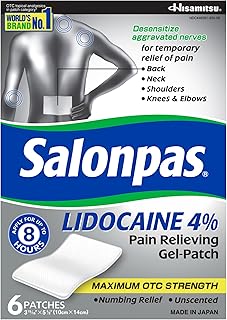
The market for numbing patches is crowded, with brands like Salonpas, Aspercreme, and store generics. The WELMATE 4% patch holds its own by offering a competitively priced, high-strength option in a large count package (30 patches). Unlike some patches that combine lidocaine with menthol or camphor for a heating/cooling sensation, WELMATE relies solely on the numbing power of lidocaine. This can be preferable for users who find menthol irritating or who want a purely anesthetic effect without a strong sensory component. Its adherence and low-residue removal also compare favorably to many alternatives, making it a less messy option for daily wear under clothing.
Integrating Lidocaine Patches into a Holistic Pain Management Plan
While effective, the WELMATE lidocaine patch should be viewed as one tool in a broader pain management strategy. For best results, consider combining its use with:
- Physical Therapy and Exercise: Strengthening supporting muscles can address the root cause of many pains.
- Proper Ergonomics: Adjusting workspace setup to support posture can prevent neck and back strain.
- Anti-Inflammatory Diet: Reducing foods that promote inflammation can lessen overall joint discomfort.
- Stress Management: Techniques like meditation can reduce muscle tension that contributes to pain.
Using the patch proactively before known aggravating activities (like gardening or a long drive) can also be more effective than using it only after pain has become severe.
Final Verdict: Is the WELMATE 4% Lidocaine Numbing Patch Worth It?
For individuals seeking a reliable, maximum-strength topical solution for localized pain, the WELMATE 4% Lidocaine Numbing Patch presents a compelling option. Its strengths lie in its high 4% lidocaine concentration, unscented and user-friendly design, and value offered by the 30-count package. It provides effective, temporary relief for a range of common conditions from arthritis to muscle aches, allowing users to reduce reliance on oral pain medication. While it won't cure chronic conditions, it excels at managing symptoms and improving daily quality of life. As with any OTC medication, managing expectations is key—it is a potent lidocaine patch for numbing pain, not a miracle cure. For those whose pain has been undertreated by lower-strength products, the WELMATE patch is certainly worth considering as part of a comprehensive approach to pain relief.