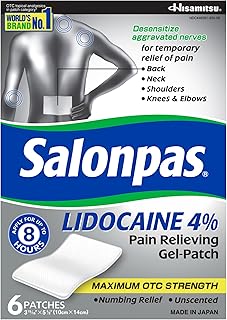
If you're among the millions seeking effective, targeted relief from persistent aches and pains, you've likely encountered lidocaine patches. These over-the-counter (OTC) marvels offer a localized approach to managing discomfort, bypassing the digestive system for direct action. But with various options available, how do you ensure you're getting the most out of this treatment? This guide dives deep into the world of maximum strength OTC pain relief patches, helping you navigate choices, avoid pitfalls, and use them safely and effectively for conditions like back pain, arthritis, and muscle soreness.
What Are Lidocaine Patches and How Do They Work?
Lidocaine is a local anesthetic that works by temporarily blocking nerve signals in the area where it's applied. When formulated into a patch, it creates a concentrated, sustained-release delivery system right at the source of your pain. Unlike oral pain relievers that circulate throughout your body, a lidocaine patch targets the specific area, minimizing systemic side effects. The maximum strength available OTC typically contains 4% lidocaine, which is designed to provide hours of relief for a variety of neuropathic and musculoskeletal pains.
Choosing the Right Maximum Strength Lidocaine Patch: A Buyer's Guide
Not all patches are created equal. When selecting a maximum strength patch, consider these key factors to ensure you get the relief you need.
1. Lidocaine Concentration and Patch Size
The standard for OTC maximum strength is 4% lidocaine. The size of the patch matters too—a larger patch, like the common 3.9” x 5.5” size, covers a broader area, which can be beneficial for widespread back pain or large muscle groups. Ensure the patch is large enough to cover your painful area without overlapping onto healthy skin.
2. Adhesive Quality and Wear Time
A patch that falls off after an hour is useless. Look for patches known for strong, hypoallergenic adhesive that can stay in place for the full recommended wear time, typically up to 12 hours. A secure patch ensures consistent medication delivery and protects clothing.
3. Intended Use and Pain Type
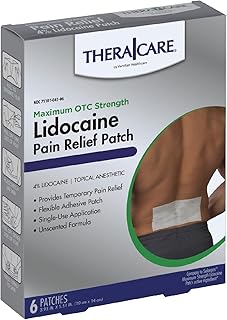
Are you targeting nerve pain, arthritis, or a muscle strain? While lidocaine patches are versatile, some are marketed with specific uses in mind. For example, a product like the Thera|Care Maximum Strength OTC Pain Relief Patch is designed for general OTC pain relief applications, including back and joint discomfort. Reading the product's intended uses can help guide your choice.
Common Mistakes and How to Avoid Them
To maximize the benefits and ensure safety, steer clear of these frequent errors people make with lidocaine patches.
Mistake #1: Applying to Broken or Irritated Skin
Never apply a lidocaine patch to broken, wounded, or severely irritated skin. The medication can be absorbed too quickly into the bloodstream, increasing the risk of side effects. Always apply to clean, dry, intact skin.
Mistake #2: Using More Than Directed
More is not better. Using multiple patches at once or wearing a single patch for longer than 12 hours in a 24-hour period can lead to lidocaine toxicity. Symptoms can include dizziness, confusion, or an irregular heartbeat. Always follow the dosage instructions on the package.
Mistake #3: Incorrect Placement
For effective back pain relief, place the patch directly over the area of greatest discomfort, not just nearby. Avoid placing it over joints with a wide range of motion if the adhesive isn't flexible, as it may crinkle and detach. For arthritis in the knees or hands, ensure the patch lies flat without excessive bunching.
Mistake #4: Expecting Instant Results
Patience is key. While some sensation may change quickly, the full muscle pain relief effect often builds over 30-60 minutes as the lidocaine penetrates the skin layers. Don't reapply a second patch thinking the first one didn't work; give it adequate time.
Effective Use for Specific Pain Conditions
For Arthritis Pain
Arthritis pain relief is a common use for these patches. The localized numbing effect can soothe the aching joints of osteoarthritis, particularly in the knees, hands, and lower back. Apply the patch to the joint during the day when pain is most bothersome, following the 12-hours-on, 12-hours-off cycle. The non-greasy, targeted approach is often preferred over messy creams.
For Chronic Back Pain
Lower back pain from muscle strain, herniated discs, or general wear-and-tear can be debilitating. A large lidocaine patch applied directly to the lower back can interrupt pain signals from muscles and nerves, providing a buffer that allows for better movement and physical therapy. It's a valuable tool in a comprehensive pain management plan.
For Post-Exercise Muscle Soreness
While not for acute injuries, lidocaine patches can help manage the deep ache of delayed onset muscle soreness (DOMS) after an intense workout. Applying a patch to sore quadriceps or shoulders can reduce discomfort without the gastrointestinal issues sometimes associated with oral NSAIDs.
Safety First: Important Precautions and Interactions
Even OTC medications require caution. Do not use lidocaine patches if you are allergic to local anesthetics (amide type). Consult a doctor before use if you have liver disease, are pregnant or breastfeeding, or are taking any other medications, especially antiarrhythmic drugs like tocainide or mexiletine. Always store patches out of reach of children and pets, as ingestion or application to a small body can be dangerous.
Integrating Lidocaine Patches into Your Pain Management Routine
For best results, view Thera|Care patches and similar products as one component of a holistic approach. Combine their use with gentle stretching, proper ergonomics, heat or ice therapy, and strengthening exercises as recommended by a healthcare professional. Keeping a pain diary can help you track the patch's effectiveness and optimal timing for your specific pain patterns.
Conclusion: Empowered Relief at Your Fingertips
Maximum strength OTC lidocaine patches represent a powerful, convenient, and targeted option for managing various types of pain. By choosing the right product, like a reliable 4% lidocaine patch, applying it correctly, and avoiding common usage errors, you can safely harness their numbing effect to improve daily comfort and mobility. Remember, they are a tool for management, not a cure. For persistent or severe pain, always consult with a healthcare provider to develop a complete and personalized treatment plan. Take control of your comfort by using this targeted therapy wisely and effectively.