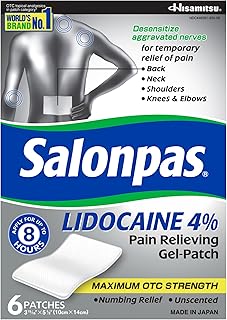
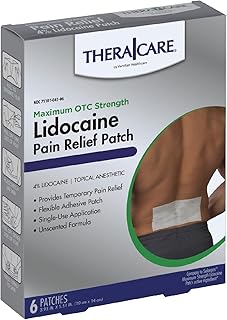
For millions seeking relief from localized aches and pains, topical solutions offer a targeted alternative to oral medications. Among these, lidocaine patches have emerged as a powerful tool in managing discomfort. These medicated patches deliver a concentrated dose of a local anesthetic directly to the source of pain, providing hours of relief without significant systemic absorption. This guide delves deep into the world of lidocaine patches, explaining how they work, their ideal applications, and how to use them safely and effectively for conditions ranging from sore muscles to arthritic joints.
Lidocaine is a well-established local anesthetic that works by temporarily blocking nerve signals in the area where it is applied. When incorporated into a patch, this medication is held against the skin, allowing for a sustained, controlled release. Unlike oral pain relievers that circulate throughout the entire body, lidocaine patches offer a localized effect. This targeted approach means the medication concentrates its efforts where you need it most, minimizing the potential for whole-body side effects. The patch itself acts as a barrier, keeping the lidocaine in close contact with the skin and enhancing absorption into the underlying tissues where nerves are firing pain signals.
Understanding How Lidocaine Patches Work
The mechanism is elegantly simple yet highly effective. The adhesive patch contains a gel or cream infused with lidocaine, typically at a 4% or 5% concentration, which is considered maximum strength for over-the-counter use. Upon application, the lidocaine molecules penetrate the skin's outer layers and reach the nerve endings located in the dermis. Here, they bind to sodium channels on the nerve cells. Sodium channels are crucial for generating and propagating electrical impulses—including pain signals—along the nerve fiber. By blocking these channels, lidocaine effectively puts a temporary "pause" on the nerve's ability to send pain messages to the brain. The result is a numbing sensation and significant pain relief that can last for up to 12 hours per application, as seen in products like the CARELAND Lidocaine Gel Patch.
Common Uses and Conditions for Lidocaine Patches
Lidocaine patches are versatile and can be used for a variety of localized pain conditions. Their primary benefit is in managing neuropathic pain (nerve pain) and musculoskeletal pain. Common applications include:
- Muscle Pain and Soreness: Ideal for post-workout aches, strains, or tension in areas like the neck, shoulders, and back. The patches provide targeted relief exactly where the muscle is tight or inflamed.
- Joint Pain: Frequently used for osteoarthritis or general wear-and-tear pain in the knees, elbows, and hands. The patch can be applied directly over the aching joint.
- Nerve Pain: Conditions like post-herpetic neuralgia (pain following shingles) or other localized neuropathies respond well to the nerve-signal blocking action of lidocaine.
- Chronic Back Pain: For non-specific lower back pain, a patch can be applied to the area of greatest discomfort, offering an alternative to oral NSAIDs.
For those exploring pain relief patches, it's important to match the product to the type of pain. Lidocaine is particularly effective for sharp, burning, or shooting nerve-related pains, while other patches may contain anti-inflammatories better suited for swelling and inflammation.
Benefits of Using Topical Lidocaine Patches
Choosing a topical patch over systemic medication comes with several distinct advantages. First and foremost is localized action. The relief is concentrated at the site of pain, which is more efficient and can be more effective for isolated problems. Secondly, there is a reduced risk of systemic side effects. Because very little lidocaine enters the bloodstream, issues commonly associated with oral painkillers—such as stomach upset, liver stress, or kidney concerns—are largely avoided. This makes them a safer option for individuals who cannot tolerate oral NSAIDs or acetaminophen.
Furthermore, patches offer convenience and sustained relief. Once applied, they work continuously for up to 12 hours, eliminating the need to remember to take pills every few hours. They are also discreet and allow for normal movement and clothing. For individuals managing chronic conditions like arthritis, incorporating a joint pain relief strategy with lidocaine patches can significantly improve daily function and quality of life without the peaks and troughs of oral medication.
How to Use Lidocaine Patches Correctly for Maximum Effect
Proper application is key to both safety and efficacy. Always start by reading the specific instructions on the product packaging. Generally, you should apply the patch to clean, dry, intact skin. Avoid areas with cuts, abrasions, or rashes. Do not apply heat (like a heating pad) over the patch, as this can dramatically increase absorption and lead to adverse effects. A single patch is usually worn for up to 12 hours, followed by a 12-hour patch-free period. This on/off cycle helps prevent skin irritation and allows your skin to breathe. It is crucial not to cut the patches, as this can disrupt the controlled-release delivery system.
For best results, identify the epicenter of your pain and apply the patch directly over it. If you are using a product like the CARELAND maximum strength patches, ensure you are not exceeding the recommended number of patches per day. Consistency is also important; for chronic conditions, using the patches as part of a daily management plan, rather than just for acute flare-ups, can provide more stable control over pain levels.
Safety Considerations and Potential Side Effects
While lidocaine patches are generally safe for most adults when used as directed, awareness of potential side effects is important. The most common issues are local skin reactions, such as redness, itching, or a mild rash at the application site. These usually resolve quickly after removing the patch. More serious but rare side effects can occur if too much lidocaine is absorbed systemically, leading to symptoms like dizziness, confusion, blurred vision, or an irregular heartbeat. This risk is higher if patches are used on large areas of skin, covered with heat, or used more frequently than directed.
Certain individuals should exercise extra caution or consult a doctor before use. This includes people with severe liver disease, as the liver metabolizes lidocaine, those with allergies to local anesthetics, and individuals using other products containing lidocaine. It is also not recommended for use on children without medical supervision. When exploring maximum strength patches, respecting the dosage guidelines is paramount to safety.
Lidocaine Patches vs. Other Topical Pain Relievers
The market for topical analgesics is diverse, and understanding the differences can help you choose the right tool. Lidocaine patches are primarily anesthetic—they numb the area. Other common options include:
- NSAID Patches/Gels (e.g., Diclofenac): These are anti-inflammatory. They reduce swelling and inflammation at the source, which is ideal for arthritic joints or sprains where inflammation is a key driver of pain.
- Menthol/Capsaicin Products: These work on a different principle, creating a sensation of heating or cooling that can distract from pain (counter-irritation) or, in the case of capsaicin, depleting a pain-transmitting chemical called Substance P over time.
The choice depends on your pain type. For nerve-based or deep muscular ache where numbness would be beneficial, a lidocaine patch is excellent. For inflamed, swollen joints, an NSAID-based product might be more appropriate. Some individuals even use them in tandem at different times of day, following their doctor's advice.
Integrating Lidocaine Patches into a Holistic Pain Management Plan
For chronic pain, lidocaine patches are most effective as part of a broader strategy. They are a superb tool for managing breakthrough pain or providing comfort during specific activities. However, a holistic plan should also address the underlying causes of pain. This may include physical therapy to strengthen supporting muscles, stretching to improve flexibility, ergonomic adjustments at work or home, and maintaining a healthy weight to reduce stress on joints. For back pain, for example, a patch can provide immediate relief while you work on core strengthening exercises for long-term improvement.
Discussing the use of OTC lidocaine patches with your healthcare provider is always wise, especially if you have chronic health conditions or are taking other medications. They can help you determine if this form of muscle pain relief is suitable for your specific situation and integrate it into your overall treatment plan.
Conclusion: Empowering Targeted Pain Management
Lidocaine patches represent a significant advancement in accessible, targeted pain relief. By delivering a potent local anesthetic directly to the problem area, they offer hours of comfort with a favorable safety profile compared to systemic medications. Whether you're dealing with the persistent ache of arthritis, a nagging muscle strain, or nerve-related discomfort, these patches can be a valuable component of your self-care toolkit. As with any medication, informed and responsible use is key. By understanding how they work, following application guidelines, and using them as part of a comprehensive approach to wellness, you can effectively manage pain and reclaim your daily activities. Products like the CARELAND Lidocaine Gel Patch exemplify the convenience and strength available to consumers seeking effective, localized relief.