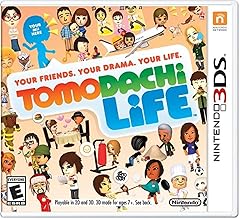
In the vast library of Nintendo 3DS titles, few games capture the quirky, unpredictable essence of virtual life quite like Tomodachi Life. Originally released in 2013 in Japan and 2014 worldwide, this unique life simulation game from Nintendo quickly became a cult favorite. Its inclusion in the Nintendo Selects lineup cemented its status as a bestseller and a must-try for fans of the genre. But years later, with the 3DS era officially concluded, does this charming simulation still hold up? This comprehensive review dives deep into the island's secrets, gameplay mechanics, and enduring appeal to help you decide if it's worth adding to your collection today.
What is Tomodachi Life? A Quirky Life Sim Explained
At its core, Tomodachi Life is a life simulation game where you populate a deserted island with Mii characters. These Miis can be based on yourself, your friends, family, celebrities, or anyone you can imagine. Once on the island, these digital avatars live in an apartment building, develop personalities, form relationships (both friendly and romantic), pursue hobbies, and get into all sorts of bizarre and humorous situations. Unlike more goal-oriented sims, Tomodachi Life thrives on observation and interaction. You don't directly control the Miis' lives; instead, you influence them by fulfilling their requests, giving them gifts, solving their problems, and cheering them on during mini-games. The game's magic lies in its emergent storytelling, where the combination of different Miis with randomized traits creates endless, often laugh-out-loud funny, narratives.
Gameplay Deep Dive: Creating Your Mii Island Paradise
The gameplay loop of Tomodachi Life is deceptively simple yet incredibly engaging. Your primary role is that of an overseer. Each in-game day, you'll check in on your island residents. They will approach you with requests that range from the mundane ("I'm hungry for spaghetti") to the absurd ("I want to look more like a tomato"). Fulfilling these requests increases your friendship level with that Mii and earns you in-game currency (Play Coins and Island Dollars). This currency is used to buy food, clothing, and furniture from the various shops, which in turn can be given to Miis to make them happier or solve their dilemmas.
The Heart of the Game: Mii Personalities and Relationships
The true depth of Tomodachi Life comes from its complex relationship system. Each Mii has a personality type (outgoing, easygoing, stubborn, etc.) and a voice that you customize using the 3DS's microphone. These elements dramatically affect how they interact. You might witness two shy Miis struggling to become friends, or see a confident Mii boldly confess their love to another. Miis can date, get married, and even have babies, who grow up into new island residents. The game is packed with random events: concerts, fashion shows, dreams where Miis turn into food, and arguments that require your mediation. This constant stream of unpredictable events makes every play session unique and encourages daily check-ins, perfect for casual gaming on the go.
Why the Nintendo Selects Version is a Smart Buy
The version we're focusing on, Nintendo Selects: Tomodachi Life - Nintendo 3DS, represents the best value proposition for this title. The Nintendo Selects line re-releases popular games at a lower, budget-friendly price point. For anyone who missed Tomodachi Life during its initial launch, this is the perfect opportunity to experience it without the premium price tag of a rare, out-of-print original copy. It contains the full, complete game with all its quirky charm. For collectors and new 3DS owners alike, the Selects edition ensures this unique piece of handheld gaming history remains accessible.
Tomodachi Life vs. Other Life Simulation Games
It's natural to compare Tomodachi Life to giants like Animal Crossing or The Sims. However, it carves out its own distinct niche. While Animal Crossing focuses on community building, decoration, and collecting in a real-time world, and The Sims offers deep, direct control over a household, Tomodachi Life is more about curated chaos and observation. It's less about creating a perfect world and more about enjoying the hilarious imperfections and surprises that arise from your Mii creations. Its strength is in its simplicity and the personal connection you feel when seeing caricatures of people you know interacting in unexpected ways. It's a life simulation game that prioritizes humor and heart over complex mechanics.
Is Tomodachi Life Still Worth Playing in 2024?
Absolutely. While the 3DS's online features, like StreetPass and SpotPass, which allowed for visiting dreams and receiving special gifts, are no longer supported, the core single-player experience of Tomodachi Life remains completely intact and immensely enjoyable. The game's humor is timeless, and the joy of creating Miis and watching their stories unfold is as compelling as ever. For players who enjoy simulation games with a heavy dose of personality and charm, it's a timeless classic. The Nintendo Selects version offers this experience at a great price, making it an easy recommendation for anyone with a 3DS looking for a unique, relaxing, and consistently entertaining game.
Final Verdict: A Charming and Unique Simulation Gem
Tomodachi Life is not a game for everyone. If you need clear objectives, fast-paced action, or deep strategic gameplay, you might find it slow or aimless. However, for players who appreciate emergent storytelling, whimsical humor, and a game that feels truly alive with possibility, it's a masterpiece of its genre. It celebrates the weird, wonderful, and often awkward nature of social interaction through its beloved Mii characters. As a Nintendo Selects title, its value is undeniable. Whether you're a simulation veteran or a curious newcomer, inviting these digital friends to your island is an experience filled with laughter, surprise, and a surprising amount of heart, proving that sometimes, the best games are the ones that simply let life happen.