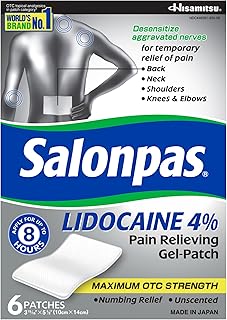
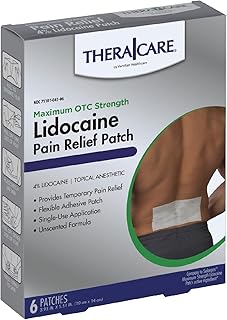
If you're seeking targeted, over-the-counter relief from localized aches and pains, you've likely come across lidocaine patches. These discreet, medicated bandages have become a cornerstone of topical pain management, offering a non-invasive alternative to oral medications. But how do they work, and are they right for your specific situation? This comprehensive guide dives deep into everything you need to know about lidocaine patches, from their mechanism of action to practical application tips and safety considerations.
What Are Lidocaine Patches and How Do They Work?
Lidocaine is a local anesthetic, meaning it numbs a specific area by temporarily blocking the nerve signals that transmit pain to your brain. A lidocaine patch is a transdermal delivery system—a medicated adhesive bandage designed to release a controlled dose of lidocaine directly through the skin and into the underlying tissues. Unlike creams or gels that can be messy and wear off quickly, the patch provides a steady, localized concentration of medication for an extended period, typically 12 hours. This makes them particularly effective for managing chronic, localized pain conditions like post-herpetic neuralgia (shingles pain), osteoarthritis, or muscle strains.
Key Benefits of Using Lidocaine Patches for Pain
The primary advantage of lidocaine patches is their targeted action. Because the medication is delivered directly to the painful area, it minimizes systemic absorption into the bloodstream. This reduces the risk of whole-body side effects commonly associated with oral pain relievers, such as stomach upset or liver strain. For individuals managing conditions like neuropathic pain, the patch can provide a soothing barrier that desensitizes the overactive nerves. Many users also appreciate the convenience—apply it once and get hours of relief without the need for frequent reapplication. Exploring lidocaine patches as part of a broader pain management strategy can be a game-changer for daily comfort and mobility.
Common Uses and Conditions Treated
Lidocaine patches are FDA-approved for post-herpetic neuralgia, the lingering nerve pain that can follow a shingles outbreak. However, healthcare providers often recommend them "off-label" for a variety of other localized pain sources. These include the deep, aching joint pain of osteoarthritis (especially in knees, shoulders, or the lower back), muscle soreness from overuse or injury, and even certain types of surgical incision pain. It's crucial to understand that these patches are designed for pain on or near the skin's surface and are not effective for deep internal pain, headaches, or widespread systemic pain.
How to Apply a Lidocaine Patch Correctly
Proper application is essential for both safety and effectiveness. First, ensure the skin area is clean, dry, intact, and free of cuts, irritation, or rashes. Do not apply to broken skin. Cut the patch to size if necessary, following the product's instructions, but never cut a patch that is a sealed, pre-medicated unit unless directed. Peel off the backing and firmly apply the adhesive side to the painful area. Smooth it down to ensure good contact. Most patches are designed to be worn for up to 12 hours, followed by a 12-hour patch-free period. Always wash your hands thoroughly after handling a patch to avoid accidentally transferring lidocaine to your eyes or mouth.
Important Safety Information and Potential Side Effects
While generally safe when used as directed, lidocaine patches are not without risks. The most common side effects are localized skin reactions, such as redness, rash, burning, or irritation at the application site. In rare cases, too much lidocaine can be absorbed, leading to systemic toxicity. Symptoms of this include dizziness, blurred vision, ringing in the ears, or an irregular heartbeat. It is vital to never use more patches than recommended, never apply heat over a patch (like a heating pad), and never apply a patch to a large area of skin for a prolonged time. Always consult with a doctor or pharmacist before starting use, especially if you have liver disease, are pregnant or breastfeeding, or are taking other medications.
Choosing the Right Lidocaine Patch for You
Not all lidocaine patches are created equal. They come in different strengths (typically 4% or 5% lidocaine), sizes, and adhesive formulations. Some are branded prescription versions, while others are available over-the-counter. Your choice should be guided by the severity and location of your pain, as well as any skin sensitivities you may have. A healthcare professional can help you determine the appropriate strength. For mild to moderate muscle aches, an OTC option might suffice, while severe neuropathic pain may require a prescription-strength lidocaine patch. Checking reviews and looking for patches with hypoallergenic adhesive can be helpful if you have sensitive skin.
Integrating Patches into a Holistic Pain Management Plan
Lidocaine patches are a powerful tool, but they work best as part of a comprehensive approach to pain. For chronic conditions like arthritis, they can be combined with physical therapy, gentle exercise, and weight management. For muscle pain, rest, ice, and stretching are important complements. It's also wise to keep a usage diary to track your pain levels and the patch's effectiveness, which can provide valuable information for your doctor. Remember, these patches treat the symptom (pain) but not the underlying cause of the condition. A discussion about lidocaine patches with your healthcare provider should include your overall health goals and other treatments you are using.
Frequently Asked Questions (FAQs)
Can I sleep with a lidocaine patch on?
Yes, most lidocaine patches are designed for 12-hour wear, which can include overnight use. Ensure it is applied to clean, dry skin and that you are not using an external heat source like an electric blanket over it.
How long does it take for a lidocaine patch to start working?
You may start to feel some numbing sensation within 30 minutes to an hour, but for full therapeutic pain relief, it can take a few hours as the medication builds up in the local tissue.
Can I cut a lidocaine patch in half?
You should only cut a patch if the manufacturer's instructions explicitly state it is safe to do so. Cutting some patches can damage the drug delivery system, causing too much or too little medication to be released.
Are lidocaine patches addictive?
No, lidocaine is not an opioid or narcotic. It is a local anesthetic with no known potential for addiction or dependence when used topically as directed.
In conclusion, lidocaine patches offer a valuable, targeted option for managing specific types of localized pain. By understanding how they work, using them correctly, and integrating them into a broader health plan under professional guidance, you can use them safely and effectively to improve your quality of life. Always prioritize a conversation with your healthcare provider to ensure they are the right choice for your individual health profile and pain condition.