If you're among the millions seeking relief from persistent aches and pains, you've likely encountered a variety of treatment options. Among the most convenient and targeted solutions available over-the-counter are lidocaine patches. These adhesive patches deliver medication directly to the source of discomfort, offering a localized approach to pain management that avoids the systemic side effects often associated with oral medications. This article delves into the science, applications, and practical considerations of using these patches, empowering you to make informed decisions about your pain relief strategy.
Understanding Lidocaine: The Numbing Agent at Work
Lidocaine is a local anesthetic that has been used safely in medicine for decades. Its primary function is to temporarily block nerve signals in a specific area. When applied topically via a patch, lidocaine penetrates the skin and works on the nerve endings just beneath the surface. It doesn't "cure" the underlying cause of pain, such as inflammation or joint degeneration, but it effectively quiets the pain signals being sent to your brain. This mechanism makes it particularly useful for neuropathic pain (nerve pain) and musculoskeletal pain where the nerves are irritated. For those dealing with chronic conditions, this can mean a significant improvement in daily comfort and mobility without the need for stronger prescription interventions.
Common Uses for Lidocaine Patches
The versatility of lidocaine patches makes them a popular choice for a range of painful conditions. One of the most frequent applications is for back pain relief, whether it stems from muscle strain, a herniated disc, or general wear and tear. The patch can be placed directly over the area of soreness, providing sustained relief that allows for greater movement and rest. Similarly, they are widely used for arthritis pain relief, especially for osteoarthritis in joints like the knees, hands, or shoulders. The localized numbing effect can reduce the constant ache and stiffness associated with arthritic joints.
Beyond joint and back issues, these patches are excellent for muscle pain relief following exercise, injury, or overuse. Athletes and active individuals often use them to manage soreness in specific muscle groups. Furthermore, they are a cornerstone of many pain management patches regimens for post-surgical pain, shingles (postherpetic neuralgia), and other nerve-related discomforts. The key is that the pain is localized to an area that can be covered by the patch.
Benefits of Topical Pain Relief with Patches
Choosing a topical patch over an oral pain reliever comes with distinct advantages. First and foremost is targeted delivery. The medication is concentrated exactly where you need it, minimizing the amount that circulates throughout your entire body. This leads to fewer systemic side effects, such as stomach upset, liver stress, or kidney issues, which can sometimes occur with long-term use of oral NSAIDs like ibuprofen or naproxen.
Secondly, patches offer convenience and sustained release. Once applied, a patch can provide relief for up to 12 hours, depending on the formulation. This means you don't have to remember to take pills every few hours. The relief is steady and long-lasting, which is ideal for managing chronic pain throughout the day or getting uninterrupted sleep at night. For individuals managing multiple medications, adding a non-invasive patch can simplify their routine.
Introducing a Maximum Strength OTC Option
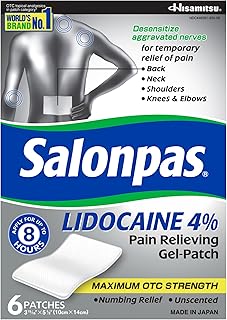
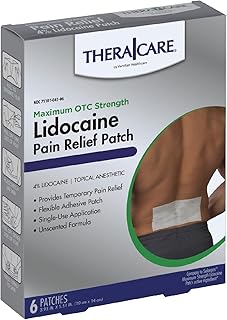
For those seeking potent, accessible relief, products like the Amazon Basic Care Maximum Strength OTC Pain Relief Patch represent a significant advancement in consumer healthcare. This particular patch contains lidocaine 4 percent, which is the highest concentration available without a prescription. Delivered in a convenient 3.9” x 5.5” size, it's designed to cover a meaningful area of pain. As an OTC pain patch, it offers the power of maximum strength pain relief with the accessibility of a pharmacy or online purchase, no doctor's visit required. It's important to note that while this product was previously marketed under the HealthWise brand, the formulation remains focused on delivering effective, targeted relief for those struggling with persistent pain.
How to Use Lidocaine Patches Safely and Effectively
To get the most benefit from lidocaine patches, proper application is crucial. Always start with clean, dry, intact skin. Avoid applying to broken, irritated, or swollen skin. Cut the patch to size if needed, but do not fold or overlap it. Apply the patch directly to the area of pain, pressing firmly to ensure good adhesion. Most patches are designed for use up to 12 hours within a 24-hour period. It is generally recommended to give your skin a 12-hour break after removal before applying a new patch to the same area to prevent skin irritation.
Adherence to the dosage instructions on the package is non-negotiable. Using more patches than directed or using them for longer than recommended will not increase efficacy and can raise the risk of side effects. While systemic absorption is low, excessive use can lead to lidocaine toxicity, symptoms of which may include dizziness, confusion, or an irregular heartbeat. Always store patches out of reach of children and pets.
Who Should Consider Lidocaine Patches?
These patches are an excellent option for adults experiencing localized, mild-to-moderate pain. They are particularly suitable for individuals who cannot tolerate oral pain medications due to gastrointestinal issues, those with kidney or liver concerns, or anyone looking to reduce their pill burden. They are also a valuable tool for people with arthritis who have pain in specific joints, allowing them to maintain function and activity levels.
However, they are not for everyone. Individuals with known allergies to local anesthetics (amide-type) should avoid them. They should not be used by children without a doctor's advice. Pregnant or breastfeeding women should consult their healthcare provider before use. If your pain is widespread, severe, or of unknown origin, it is essential to see a doctor for a proper diagnosis rather than relying solely on self-treatment with patches.
Integrating Patches into a Holistic Pain Management Plan
While effective, lidocaine patches are most powerful when used as part of a comprehensive pain management strategy. They work wonderfully in tandem with other modalities. For instance, using a patch for back pain relief can reduce discomfort enough to allow you to engage in gentle physical therapy or stretching exercises, which address the root muscular cause. For arthritis, the relief from a patch can make it easier to perform joint-strengthening movements.
Consider combining patch use with lifestyle modifications like maintaining a healthy weight to reduce joint stress, applying heat or cold therapy, and practicing stress-reduction techniques such as meditation, which can lower the perception of pain. Remember, the patch manages the symptom (pain), while other strategies can help manage the condition itself. Always communicate with your healthcare provider about all the methods you are using to manage your pain.
Conclusion: A Targeted Tool for Your Pain Relief Arsenal
Lidocaine patches offer a safe, convenient, and effective method for managing various types of localized pain. From providing arthritis pain relief to easing muscle soreness, their targeted action minimizes systemic side effects. Products like the maximum strength OTC lidocaine patch put powerful relief within easy reach. By understanding how they work, using them correctly, and integrating them into a broader wellness plan, you can take proactive control of your discomfort and improve your quality of life. As with any medication, informed and responsible use is the key to unlocking their full potential for maximum strength pain relief.