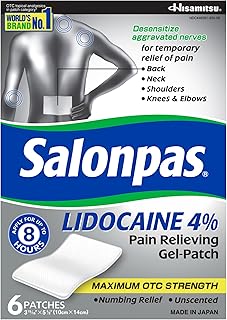
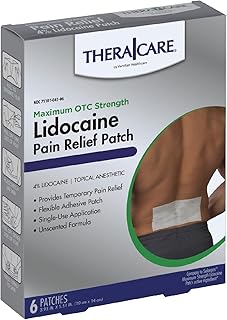
If you're among the millions seeking relief from persistent back pain, knee discomfort, or nagging muscle soreness, you've likely considered or tried lidocaine patches. These topical analgesics offer a targeted, non-invasive approach to managing pain, promising hours of relief with a simple application. However, the journey from opening the package to experiencing effective pain relief is often fraught with subtle errors. Many users unknowingly sabotage their own results, leading to frustration and the premature dismissal of a potentially effective solution. This article isn't just another guide; it's a deep dive into the five most common mistakes people make with lidocaine patches and, more importantly, how to correct them to unlock their full therapeutic potential.
Mistake #1: Applying the Patch to the Wrong Spot
The most fundamental error is misplacement. Lidocaine works by blocking nerve signals at the site of application. Applying a patch over clothing, on hairy areas without proper preparation, or simply in the general vicinity of the pain—rather than directly over the epicenter—drastically reduces efficacy. For joint pain like in the knee, the patch must cover the joint line. For muscular back pain, identify the specific, tender muscle group (like the erector spinae or quadratus lumborum) rather than slapping it randomly on your lower back. The skin must be clean, dry, and free of lotions or oils to ensure proper adhesion and drug penetration. A product like the Sumifun 4% Lidocaine Pain Relief Patches is designed for direct skin contact on the painful area; any barrier between the numbing gel and your skin is a barrier to relief.
Mistake #2: Expecting Instant, Miraculous Results
Patience is not just a virtue; it's a requirement for effective pain management with topical patches. Lidocaine doesn't work like a fast-acting oral painkiller. It needs time to penetrate the skin's layers and reach the nerve endings. The numbing effect typically begins within 20-30 minutes but may take up to an hour to reach its maximum strength. A common pitfall is removing the patch after 15 minutes because "it's not working." Commit to the recommended wear time, which is usually up to 12 hours for a single application. This sustained release is the key benefit of a patch over a cream or spray, providing prolonged relief. Setting realistic expectations is crucial for muscle soreness relief and managing chronic conditions.
Mistake #3: Ignoring Skin Preparation and Patch Size
Skin is a formidable barrier. To help the lidocaine penetrate effectively, the skin should be intact (no cuts or abrasions) and clean. Shaving a very hairy area before application can improve contact, but do so carefully to avoid irritation. Furthermore, using a patch that's too small for the painful area is a frequent oversight. If your pain radiates or covers a broad area (like a strained lower back), a single small patch may be insufficient. In such cases, ensure you are using a patch of adequate size or, if the product instructions allow, applying multiple patches with a gap between them. The goal is to cover the primary pain generator comprehensively.
Mistake #4: Misusing Them for the Wrong Type of Pain
Lidocaine patches are a specific tool for a specific job. They are FDA-approved for post-herpetic neuralgia (shingles pain) and are widely used for localized musculoskeletal pain. However, they are not a cure-all. They are less effective for deep, visceral pain or inflammatory pain caused by conditions like rheumatoid arthritis without concomitant treatment. A topical analgesic like lidocaine targets peripheral nerves near the skin's surface. If your pain originates deep within a joint or from systemic inflammation, the medication may not reach the source effectively. Understanding that these patches are best for neuropathic and superficial somatic pain (like back and knee pain from strains) will lead to more appropriate and satisfying use.
Mistake #5: Overlooking Contraindications and Safety
"Topical" does not automatically mean "completely safe for everyone." A critical mistake is not reading the warnings. Lidocaine patches should not be used on broken skin or mucous membranes. They should not be combined with other topical pain products without consulting a doctor, as this can lead to excessive systemic absorption. Importantly, they are not heating pads; never apply heat over a lidocaine patch, as this can dramatically increase the rate of drug absorption to dangerous levels. Also, while rare, allergic reactions to local anesthetics can occur. A maximum strength numbing patch contains a significant dose, so it's vital to follow usage instructions to the letter and discontinue use if you experience dizziness, irregular heartbeat, or severe skin irritation.
How to Use Lidocaine Patches Correctly for Optimal Relief
Now that we've identified the pitfalls, let's outline the correct protocol. First, wash and dry the target area. If needed, clip (don't shave aggressively) excessive hair. Remove the patch from its sealed pouch and apply it smoothly to the skin, ensuring full contact without wrinkles. Press firmly for 10-15 seconds. Leave it on for the full duration indicated on the package, typically 8-12 hours. After removal, fold the patch in half with the adhesive sides together and dispose of it safely, out of reach of children and pets. Allow the skin to rest for at least 12 hours before applying a new patch to the same area to prevent irritation. This method ensures you get the sustained, targeted relief that makes lidocaine patches a valuable tool for managing joint ache relief.
When to Choose a High-Quality Lidocaine Patch
Not all patches are created equal. The formulation, adhesive quality, and concentration matter. A 4% lidocaine concentration is considered a standard maximum strength for over-the-counter use. A reliable patch will have a strong, non-irritating adhesive that stays in place during movement and daily activities. It should also feature a design that allows the medication to release consistently over time. Investing in a well-reviewed product from a reputable brand can mean the difference between a patch that falls off after an hour and one that delivers 12 hours of consistent, comforting numbness. For those dealing with persistent issues, having a bulk option, like a 30-count box, ensures you have relief on hand when you need it most.
Conclusion: Work Smarter, Not Harder, for Pain Relief
Lidocaine patches are a powerful ally in the fight against localized pain, but their effectiveness hinges on correct usage. By avoiding these five common mistakes—wrong placement, impatience, poor preparation, incorrect application for pain type, and safety oversights—you transform a simple sticky patch into a sophisticated pain management tool. Remember, the goal is targeted, sustained relief that allows you to move more freely and live more comfortably. Pay attention to the details, follow the instructions, and listen to your body. When used wisely, a numbing gel patch can be a cornerstone of a proactive approach to managing discomfort and reclaiming your daily life from pain.