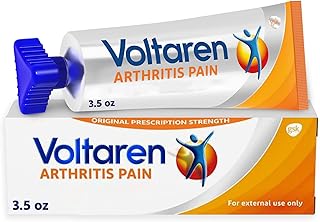
For millions dealing with the daily discomfort of osteoarthritis, arthritis pain relief gel offers a targeted approach to managing sore, stiff joints. Unlike oral medications that work throughout the entire body, topical treatments like Voltaren Cream deliver relief directly to the source of pain. This guide will explore how diclofenac sodium topical gel works, its proper use, and what you need to know to use it safely and effectively for conditions like arthritis in the hands, knees, and other joints.
What is Voltaren Cream (Diclofenac Sodium Topical Gel)?
Voltaren Cream is the brand name for a topical formulation of diclofenac sodium, a nonsteroidal anti-inflammatory drug (NSAID). It is specifically designed as a topical analgesic for the relief of osteoarthritis pain in joints like the knees, ankles, feet, elbows, wrists, and hands. The gel contains 1% diclofenac sodium, which works by blocking the body's production of prostaglandins, chemicals that cause pain and inflammation at the site of an injury or condition like arthritis.
The key advantage of a topical NSAID pain relief product is its localized action. When you apply the gel, a significant amount of the medication stays in the skin and underlying tissues around the joint, providing direct relief with minimal absorption into the bloodstream. This can mean fewer systemic side effects compared to oral NSAID pills, which must travel through your digestive system and circulate throughout your entire body.
How Does Diclofenac Gel Work for Arthritis Pain?
Osteoarthritis causes the protective cartilage at the ends of bones to wear down over time. This leads to inflammation, swelling, stiffness, and pain in the affected joint. Diclofenac sodium, the active ingredient, is a potent inhibitor of the cyclooxygenase (COX) enzymes. These enzymes are responsible for producing prostaglandins.
By applying the arthritis pain relief gel directly to the skin over the painful joint, diclofenac penetrates to the site of inflammation. It reduces the local production of prostaglandins, thereby decreasing pain and swelling. This mechanism provides targeted joint pain gel relief, making it an excellent option for managing the symptoms of osteoarthritis in specific areas.
Proper Application: How to Use Voltaren Cream Correctly
For the medication to work effectively and safely, correct application is crucial. Using too much or applying it incorrectly can reduce its effectiveness or increase the risk of side effects.
- Clean and Dry the Area: Wash your hands and the application site with soap and water. Dry the skin thoroughly before applying the gel.
- Measure the Correct Dose: Use the dosing card that comes with the product. Squeeze the gel onto the card to measure the correct amount. For the elbow, wrist, or hand, use a 2-gram dose (about the length of the card). For the knee, ankle, or foot, use a 4-gram dose (about the length of the card twice).
- Apply and Rub In Gently: Apply the gel to the affected area and rub it in gently and completely until it is absorbed. Do not apply the gel to areas with cuts, infections, rashes, or broken skin.
- Wash Your Hands: Immediately wash your hands after application, unless you are treating your hands. In that case, wait at least 1 hour before washing your hands.
- Avoid Covering the Area: Do not cover the treated area with bandages, dressings, or heat/cold packs. Do not bathe, shower, or swim for at least 1 hour after applying the gel. Wear loose-fitting clothing over the area.
It's important to use the product exactly as directed, typically up to four times daily. Do not use more than the maximum daily dose (32 grams for all affected joints combined). Consistency is key; it may take up to 7 days of regular use to feel the full pain-relieving effects.
Benefits of Using a Topical NSAID Gel
Choosing a topical gel like diclofenac sodium topical gel offers several distinct advantages for managing osteoarthritis pain, especially for older adults or those concerned about the side effects of oral medications.
- Targeted Relief: The medication is delivered directly to the painful joint, maximizing the effect where it's needed most.
- Reduced Systemic Side Effects: Because less medication enters the bloodstream, the risk of common oral NSAID side effects like stomach upset, ulcers, and potential kidney or cardiovascular issues is significantly lower.
- Non-Greasy and Fast-Absorbing: Modern formulations are designed to absorb quickly without leaving a greasy residue, making them convenient for daily use.
- Ease of Use: Applying a gel is straightforward and can be easily incorporated into a daily routine without the need to swallow pills.
Potential Side Effects and Safety Precautions
While generally safer than oral NSAIDs, topical diclofenac is still a medication and carries potential risks. The most common side effects are localized to the application site and may include dryness, redness, itching, or rash. More serious side effects, though rare, can occur if too much medication is absorbed.
Important Safety Information:
- Do Not Use if you are allergic to diclofenac, aspirin, or other NSAIDs.
- Consult Your Doctor before use if you have a history of stomach ulcers, bleeding, heart disease, high blood pressure, liver or kidney disease, or asthma.
- Avoid Sun Exposure: The treated area may be more sensitive to sunlight. Use sunscreen or protective clothing.
- Drug Interactions: Inform your doctor about all medications you take, especially other NSAIDs (like ibuprofen or naproxen), blood thinners (like warfarin), or certain antidepressants, as interactions are possible.
- Pregnancy and Breastfeeding: Do not use during the last trimester of pregnancy. Consult a doctor if you are pregnant, planning to become pregnant, or breastfeeding.
Stop using the gel and seek medical attention if you experience signs of an allergic reaction (hives, difficulty breathing, swelling), severe skin reaction, or symptoms of heart or stroke problems (chest pain, shortness of breath, slurred speech).
Voltaren Cream vs. Other Pain Relief Options
When considering osteoarthritis relief, it's helpful to understand where a topical NSAID fits among other common treatments.
- vs. Oral NSAIDs (Ibuprofen, Naproxen): Oral pills provide whole-body relief, which is useful for multiple areas of pain but comes with a higher risk of stomach and cardiovascular side effects. Topical gels are preferable for localized joint pain to minimize these risks.
- vs. Acetaminophen (Tylenol): Acetaminophen reduces pain but does not reduce inflammation. For osteoarthritis pain that involves swelling and inflammation, an NSAID like diclofenac may be more effective.
- vs. Other Topical Analgesics (Menthol, Capsaicin): These work by creating a sensation of heat or cold to distract from pain or by depleting a pain-transmitting chemical. They don't reduce inflammation. Diclofenac gel addresses the inflammatory root cause of osteoarthritis pain.
- vs. Prescription Topicals: Some prescription gels may have higher concentrations or different formulations. Voltaren Cream is now available over-the-counter, offering accessible relief for mild to moderate osteoarthritis pain.
Who Can Benefit Most from Diclofenac Topical Gel?
This muscle pain gel is specifically approved for osteoarthritis pain, but its mechanism can be beneficial for others. Ideal candidates include:
- Individuals with osteoarthritis in one or a few specific joints (like knees or hands).
- Older adults who may be more susceptible to the side effects of oral NSAIDs.
- People who have experienced stomach issues with oral pain relievers.
- Those looking for a drug-free alternative to pills, though it is still a medication.
- Individuals who need targeted relief to maintain mobility and perform daily activities.
It is not approved for other types of arthritis, like rheumatoid arthritis, though a doctor may sometimes recommend it off-label. It is also not for acute injuries like sprains or strains.
Integrating Topical Gel into a Comprehensive Pain Management Plan
For best results, Voltaren Cream should be part of a broader osteoarthritis management strategy. Medication alone is rarely the complete solution.
- Exercise: Low-impact activities like swimming, walking, or cycling can strengthen muscles around joints, improve flexibility, and reduce pain.
- Weight Management: Maintaining a healthy weight reduces stress on weight-bearing joints like knees and hips.
- Physical Therapy: A therapist can teach exercises and techniques to improve joint function and reduce pain.
- Assistive Devices: Using braces, shoe inserts, or canes can help offload pressure from painful joints.
- Heat and Cold Therapy: Applying heat can relax muscles and improve stiffness, while cold packs can reduce acute inflammation and swelling.
Talk to your doctor about creating a personalized plan that combines medication, lifestyle changes, and other therapies for optimal osteoarthritis relief.
Frequently Asked Questions About Voltaren Cream
How long does it take for Voltaren Cream to work?
You may feel some pain relief within a few hours of the first application. However, for the full anti-inflammatory effect, it typically takes up to 7 days of consistent use (applying 4 times daily) to experience maximum pain relief. Do not discontinue use prematurely if you don't feel immediate, dramatic results.
Can I use Voltaren Cream on my back or neck?
Voltaren Cream is FDA-approved specifically for use on joints affected by osteoarthritis (hands, wrists, elbows, knees, ankles, feet). It is not approved for use on the back, neck, or other areas of the body. The skin in these areas may absorb the medication differently, and the safety and efficacy for these uses have not been established. Always follow the labeled instructions.
Is it safe to use Voltaren Cream long-term?
For chronic conditions like osteoarthritis, long-term use may be necessary. It is generally considered safe for long-term use when applied as directed because systemic absorption is low. However, you should have regular check-ups with your doctor to monitor your overall health and the effectiveness of your pain management plan. Do not use it continuously for longer than directed on the label without consulting a healthcare professional.
Can I use oral pain relievers with Voltaren Gel?
Using other oral NSAIDs (like ibuprofen, naproxen, or aspirin) concurrently with topical diclofenac can increase your risk of side effects, as the total NSAID dose in your body increases. You should not use them together unless specifically directed by your doctor. Acetaminophen (Tylenol) is generally considered safe to use with topical diclofenac, but you should always consult your doctor or pharmacist before combining medications.
In conclusion, Voltaren Cream (diclofenac sodium topical gel) is a valuable, targeted tool for managing the pain and inflammation of osteoarthritis. By applying it correctly, understanding its benefits and limitations, and incorporating it into a holistic health plan, you can achieve better joint comfort and improved daily function. Always consult with a healthcare provider to ensure it is the right choice for your specific health situation.