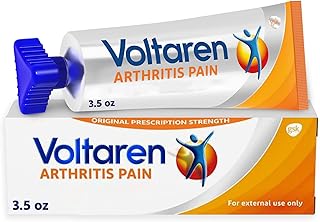
For millions living with arthritis, finding effective pain relief is a daily quest. While oral medications are common, they can sometimes come with systemic side effects. This has led to a significant rise in the popularity of topical solutions, which deliver medication directly to the site of discomfort. Among these, Voltaren Cream, containing the active ingredient diclofenac sodium, has become a trusted name. This guide will explore how this topical gel works, its proper application, and why it's a go-to choice for managing joint and muscle pain.
What is Voltaren Cream and How Does It Work?
Voltaren Cream is an over-the-counter (OTC) topical gel formulated with diclofenac sodium, a nonsteroidal anti-inflammatory drug (NSAID). Unlike oral NSAIDs that work throughout the entire body, topical diclofenac is designed for targeted relief. When applied to the skin, it penetrates the underlying tissues to reduce substances in the body that cause pain and inflammation. This localized action means the medication concentrates its effect where you need it most—be it an aching knee, stiff wrist, or sore shoulder—while minimizing the amount absorbed into the bloodstream. This mechanism makes it a preferred arthritis pain relief gel for many seeking to avoid the potential stomach or kidney issues associated with oral NSAIDs.
Key Benefits of Using a Topical Pain Relief Gel
Choosing a topical gel like Voltaren offers several distinct advantages for managing chronic pain conditions like osteoarthritis. The primary benefit is targeted delivery. You apply the medication precisely to the painful joint, allowing for direct action on the inflamed area. This often leads to faster onset of relief for the specific site compared to waiting for an oral pill to circulate. Furthermore, because less medication enters your systemic circulation, the risk of common NSAID-related side effects, such as gastrointestinal upset, is significantly reduced. For individuals managing localized arthritis pain in hands, knees, or elbows, a joint pain gel provides a convenient, non-invasive treatment option that fits seamlessly into daily routines.
Step-by-Step Guide: How to Use Voltaren Cream Correctly
To achieve the best results from your topical diclofenac treatment, correct application is crucial. First, ensure the skin on the affected area is clean, dry, and intact—do not apply to open wounds, rashes, or infected skin. Squeeze a prescribed amount of gel (typically a 2-gram dose for the elbow, wrist, or hand, or a 4-gram dose for the knee, ankle, or foot) onto the palm of your hand. Gently rub the gel into the skin until it is fully absorbed. Do not apply a bandage or wrap over the area unless directed by a doctor. Wash your hands immediately after application, unless you are treating your hands themselves. For optimal absorption and to avoid transferring the medication, wait at least 10 minutes before covering the area with clothing. Consistent use as directed on the label is key for managing ongoing arthritis treatment.
Who Can Benefit from Diclofenac Sodium Gel?
Voltaren Cream is specifically approved for the temporary relief of arthritis pain in joints amenable to topical treatment, such as those in the hands, wrists, elbows, feet, ankles, and knees. It's ideal for adults with osteoarthritis who experience localized pain and stiffness. Individuals who have had adverse reactions to oral NSAIDs or those on multiple medications looking to reduce systemic drug load may find topical diclofenac to be a suitable alternative. However, it is not for everyone. People allergic to aspirin or other NSAIDs, those with a history of asthma attacks triggered by NSAIDs, or individuals in the late stages of pregnancy should avoid using it. Always consult with a healthcare provider before starting any new over-the-counter pain gel, especially if you have underlying health conditions.
What to Expect: Efficacy and Timeframe for Relief
Patience is important when starting any new pain relief regimen. While some users may feel improvement quickly, clinical studies suggest that the full benefits of topical diclofenac for arthritis pain may take up to 7 days of regular use to become fully apparent. The relief typically builds with continued application. It's designed for temporary use; the product labeling generally recommends using it for up to 21 days unless otherwise directed by a doctor. For chronic conditions, discuss a long-term management plan with your physician. Remember, topical gels are part of a comprehensive approach to arthritis care, which should also include weight management, appropriate exercise, and physical therapy when needed.
Safety Profile and Potential Side Effects
Voltaren Cream is generally well-tolerated due to its localized action. The most common side effects are skin reactions at the application site, which may include dryness, redness, itching, or rash. These are usually mild. Serious side effects are rare but can occur, especially if the medication is overused or applied to large areas of skin. Because a small amount of diclofenac is absorbed, there remains a very low risk of the serious side effects associated with oral NSAIDs, such as cardiovascular events, gastrointestinal bleeding, or kidney damage. To minimize risks, use the smallest effective amount for the shortest duration necessary. Avoid using other topical products (like sunscreen or lotions) on the same area simultaneously without consulting a doctor.
Comparing Topical Gels: Why Diclofenac Stands Out
The market for topical pain relief is vast, including products with ingredients like menthol, capsaicin, lidocaine, and other NSAIDs. Diclofenac sodium, the active ingredient in Voltaren, is unique among OTC topicals because it is the first and only FDA-approved topical NSAID for osteoarthritis pain. While menthol creates a cooling sensation and capsaicin depletes a pain-transmitting chemical, diclofenac works at the source by reducing inflammation—a key driver of arthritis pain. This anti-inflammatory action addresses the root cause, not just the symptom, making it a clinically proven choice for many. When selecting a product, consider factors like the type of pain, desired action, and your personal skin sensitivity.
Integrating Voltaren into Your Daily Pain Management Routine
For sustained management of arthritis discomfort, consistency is more effective than sporadic use. Incorporate the application of your diclofenac sodium gel into your daily routine, such as after your morning shower or before bedtime. Keep a usage log to track your pain levels and response. It's also important to store the product correctly at room temperature, away from moisture and heat, to maintain its efficacy. A product like the Arthritis Pain Gel offers a convenient multi-ounce size, ensuring you have an adequate supply for consistent treatment. Remember, this gel is one tool in your arsenal; combining it with gentle stretching, heat therapy, and joint-protecting strategies will yield the best overall results for maintaining mobility and quality of life.
Final Thoughts on Choosing a Topical Solution
Navigating the world of pain relief options can be overwhelming. Voltaren Cream represents a significant advancement in accessible, targeted arthritis care. Its status as a bestseller pain relief product is backed by its proven anti-inflammatory mechanism and favorable safety profile for localized use. By applying it correctly and consistently, many individuals find meaningful relief from joint pain and stiffness, allowing them to engage more fully in daily activities. As with any medication, informed use is safe use. Consult your healthcare provider to determine if this topical NSAID gel is the right component of your personalized pain management plan, and take the first step toward more comfortable movement today.