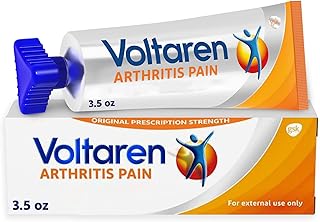
For millions of people living with arthritis and chronic joint pain, finding effective relief that doesn't come with the systemic side effects of oral medications is a constant pursuit. This is where topical treatments like Voltaren Cream have revolutionized pain management. As a topical diclofenac sodium gel, it offers a targeted approach to alleviating discomfort directly at the source. This comprehensive guide will explore everything you need to know about using this powerful topical pain relief option for conditions like osteoarthritis.
Understanding the active ingredient is key to appreciating how this treatment works. Diclofenac sodium is a nonsteroidal anti-inflammatory drug (NSAID). When taken orally, NSAIDs work throughout the body, which can lead to stomach upset or other issues. However, in a topical gel form, the diclofenac is delivered directly through the skin to the underlying inflamed joints and tissues. This localized delivery means a higher concentration of the medication reaches the painful area—like a knee, elbow, or ankle—with minimal absorption into the bloodstream. This mechanism is what makes products like Diclofenac Sodium Topical Gel a preferred first-line treatment for many healthcare providers and patients seeking arthritis pain relief.
What Conditions Can Voltaren Cream Treat?
The primary and most well-researched use for topical diclofenac gel is for the pain of osteoarthritis (OA) in joints that are close to the skin's surface. Its effectiveness is backed by numerous clinical studies, making it a go-to recommendation. The gel is particularly beneficial for:
- Hand and Wrist Pain: OA in the hands can be debilitating, affecting grip strength and daily tasks. Applying the gel to fingers and wrists can provide significant hand foot pain relief.
- Knee Pain: As one of the most common sites for osteoarthritis, the knees respond well to topical NSAIDs. The gel can reduce inflammation and pain, improving mobility.
- Elbow Pain: Whether from OA, tendonitis, or overuse, applying diclofenac gel to the elbow can soothe localized inflammation.
- Ankle and Foot Pain: For conditions like OA or plantar fasciitis, targeted application can offer welcome ankle pain relief.
It's important to note that while it's excellent for these localized issues, it is not typically used for deep joint pain (like in the hip) or widespread muscle pain. Always consult a doctor to ensure it's appropriate for your specific type of joint pain gel need.
How to Use Diclofenac Sodium Gel for Maximum Benefit
Proper application is crucial for both safety and effectiveness. Unlike a moisturizer, this is a medicated treatment with specific instructions. For the 1% gel, the standard dose is a 2-gram ribbon (about the size of a cherry or a 2-inch strip) applied to the affected area four times daily. Do not apply more than 8 grams total to any single joint in one day. For larger areas like the knee, you may apply 4 grams four times daily, not exceeding 16 grams per day on that joint.
Here is a step-by-step guide:
- Clean and Dry: Wash your hands and the application site with soap and water. Dry the skin thoroughly.
- Measure the Dose: Use the dosing card that comes with the package to measure the correct amount of gel. This ensures you don't use too little or too much.
- Apply Gently: Squeeze the gel onto your fingertip and apply it evenly to the painful area. Do not massage it vigorously into the skin.
- Let it Absorb: Allow the gel to dry completely before covering the area with clothing or gloves. This usually takes a few minutes.
- Wash Hands: Immediately wash your hands after application, unless you are treating your hands themselves. Avoid touching the treated area until the gel is fully dry.
Consistency is key. It may take up to 7 days of regular use to feel the full pain-relieving effects. Do not use heat patches, bandages, or wraps over the treated area, as this can increase absorption and the risk of side effects. Also, avoid exposing the treated skin to sunlight or tanning beds, as diclofenac can make your skin more sensitive to UV rays.
Benefits and Advantages Over Oral Pain Relievers
Choosing a topical NSAID like Voltaren Cream offers several distinct advantages, particularly for long-term management of chronic conditions like arthritis.
- Targeted Relief: The medication works exactly where you need it, minimizing systemic exposure.
- Reduced Systemic Side Effects: Because very little enters the bloodstream, the risks of stomach ulcers, kidney issues, and cardiovascular problems associated with oral NSAIDs are significantly lower.
- Non-Greasy and Fast-Drying: Modern formulations like the 1% gel are designed to absorb quickly without leaving a heavy, greasy residue, making them convenient for daily use.
- Available Over-the-Counter (OTC): In many countries, lower-strength versions are available without a prescription, providing easier access to effective diclofenac sodium gel.
For individuals who are older, have a history of stomach problems, or are on multiple medications, a topical option can be a much safer alternative for managing persistent knee elbow pain.
Important Safety Information and Potential Side Effects
While generally safe when used as directed, topical diclofenac is still a medication and carries potential risks. The most common side effects are skin reactions at the application site, such as dryness, itching, redness, or rash. If you experience a severe rash, stop use and see a doctor immediately.
Who should avoid using it? Do not use this gel if you are allergic to diclofenac, aspirin, or other NSAIDs. You should also avoid it if you are in the last trimester of pregnancy. Use with caution and under a doctor's guidance if you have asthma, liver or kidney disease, or are taking other medications, especially blood thinners or other NSAIDs.
Critical Warning: Despite being topical, a small amount is absorbed. There is a risk of heart attack, stroke, and stomach bleeding, though it is lower than with oral forms. Do not use on open wounds, infected skin, or with other topical products without consulting a healthcare professional.
Integrating Topical Gel into Your Overall Pain Management Plan
Topical diclofenac gel is most effective as part of a comprehensive approach to arthritis management. It should not be the sole strategy. Consider combining its use with:
- Physical Therapy: Exercises to strengthen muscles around joints and improve range of motion.
- Weight Management: Reducing stress on weight-bearing joints like knees and ankles.
- Assistive Devices: Using braces, splints, or shoe inserts to improve alignment and reduce pain.
- Heat and Cold Therapy: Using warm compresses to loosen stiff joints or cold packs to reduce acute inflammation (applied at different times than the gel).
Keeping a pain diary can help you and your doctor track the gel's effectiveness and adjust your overall plan as needed. Remember, the goal is to manage pain to maintain an active and fulfilling lifestyle.
Conclusion: Is Voltaren Cream Right for You?
For individuals suffering from the localized, aching pain of osteoarthritis in accessible joints, Voltaren Cream represents a powerful and convenient tool. Its targeted action, favorable safety profile compared to pills, and OTC availability make it a first-choice option for many. By applying it correctly and consistently as part of a broader health strategy, you can gain significant control over your arthritis pain relief and improve your daily quality of life. Always start by discussing any new treatment with your doctor to ensure it aligns with your specific health profile and needs. With informed use, this topical gel can be a cornerstone of effective, localized pain management.