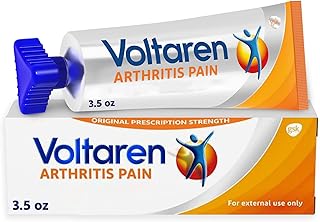
For millions living with the daily ache of osteoarthritis or muscle soreness, finding effective pain relief that doesn't involve swallowing pills is a top priority. Enter topical solutions like Voltaren Cream, a brand name synonymous with diclofenac gel. This prescription-strength topical NSAID (Non-Steroidal Anti-Inflammatory Drug) has revolutionized how we manage localized pain, offering targeted relief right where it hurts. Unlike oral medications that circulate throughout the body, a topical gel like this one delivers the anti-inflammatory power of diclofenac sodium directly to the affected joint or muscle, minimizing systemic side effects. This article provides a comprehensive, expert-level analysis of how this form of arthritis pain relief works, its clinical benefits, and its place in modern pain management strategies.
Understanding the Science: How Topical Diclofenac Targets Pain
At the heart of Voltaren and its generic counterparts is the active ingredient diclofenac sodium. Diclofenac is a potent NSAID that works by inhibiting cyclooxygenase (COX) enzymes, specifically COX-1 and COX-2. These enzymes are responsible for producing prostaglandins, lipid compounds that promote inflammation, pain, and fever at sites of tissue damage or injury. By blocking their production at the localized site of application, the gel effectively reduces the inflammatory cascade that causes joint swelling, stiffness, and the associated pain. The 1% diclofenac formulation in a gel base is specifically engineered for efficient transdermal delivery. The gel vehicle helps the medication penetrate the skin's layers to reach the underlying inflamed tissues—the synovium of the joint, tendons, or muscles—creating a high concentration of the drug exactly where it's needed, with very little entering the bloodstream.
Clinical Efficacy: What the Research Says About Diclofenac Gel
The move toward topical NSAID treatments is strongly supported by clinical evidence. Numerous studies have demonstrated that 1% diclofenac gel is significantly more effective than a placebo gel in reducing pain and improving physical function in patients with osteoarthritis of the knees and hands. For instance, a meta-analysis published in the Journal of Rheumatology concluded that topical diclofenac provides good levels of pain relief in osteoarthritis, with a favorable safety profile. Patients using the gel report measurable improvements in tasks like walking, climbing stairs, and gripping objects. Its efficacy for acute musculoskeletal conditions, such as sprains, strains, and sports injuries, is also well-documented. The key advantage, reiterated across studies, is the localized effect. Because systemic absorption is low (typically less than 10% of an oral dose), the risks of gastrointestinal ulcers, cardiovascular events, and kidney issues associated with oral NSAIDs are drastically reduced, making it a safer long-term option for many patients.
Voltaren Cream vs. Oral NSAIDs: A Strategic Comparison
When considering pain management, the choice between topical and oral NSAIDs is crucial. Oral medications, while effective for widespread pain, carry a well-known burden of side effects. They must be processed by the stomach and liver, distributing the drug throughout the entire body to reach the painful site. This systemic journey is why oral diclofenac can cause stomach upset, ulcers, and increased cardiovascular risk. In contrast, a targeted joint pain gel like diclofenac 1% acts as a precision tool. It bypasses the digestive system entirely, maximizing the drug's concentration in the painful joint while minimizing exposure to other organs. This makes it an ideal first-line treatment for localized osteoarthritis, particularly for older adults or those with a history of GI issues who may be more vulnerable to the side effects of pills. It's not that one is universally better than the other; rather, they are tools for different scenarios. Topicals excel for localized, accessible joint pain (knees, hands, ankles), while orals may be necessary for more systemic or deep-seated inflammation.
Practical Application: How to Use Diclofenac Gel for Maximum Benefit
To achieve the best results from a prescription strength pain relief gel, correct application is paramount. For osteoarthritis, the standard dose is a 2-gram strand of gel (approximately the size of a cherry or a 2-inch line) applied to the affected area four times daily. The skin should be clean, dry, and intact—never apply it to open wounds, rashes, or infected skin. Gently rub the gel in until fully absorbed. Crucially, do not cover the area with bandages or tight clothing immediately after application, as this can increase absorption beyond intended levels. Wash your hands thoroughly after use unless your hands are the treated area. Consistency is key; the anti-inflammatory effect builds with regular use. It may take up to 7 days of continuous application to feel the full effect for chronic conditions like arthritis. For acute muscle soreness relief, such as after exercise, application can be more as-needed, following the same dosage guidelines.
Safety Profile and Important Considerations
While diclofenac gel is generally well-tolerated, it is not without considerations. The most common side effects are localized, such as mild skin reactions at the application site (redness, itching, dryness, or rash). These are usually transient. Although systemic absorption is low, it is not zero. Therefore, it should be used with caution in individuals with a known allergy to aspirin or other NSAIDs, those with severe kidney impairment, or in the late stages of pregnancy. It is essential to inform your doctor of all medications you are taking, as using this gel concurrently with oral NSAIDs (like ibuprofen or naproxen) can increase the risk of systemic side effects. Avoid sun exposure on treated areas, as diclofenac can increase photosensitivity. Always follow the prescribed dosage and duration; using more gel or applying it more frequently will not speed up relief and may increase the risk of adverse events.
The Evolving Landscape of Topical Pain Relief
The success of diclofenac gel has solidified the role of topical NSAIDs in pain management guidelines worldwide. Organizations like the American College of Rheumatology and the Arthritis Foundation recommend topical NSAIDs as a first-line therapy for knee and hand osteoarthritis, ahead of oral NSAIDs, due to their superior safety. The availability of a 150 g tube of original prescription strength diclofenac gel makes consistent, long-term management convenient for patients. The future points toward further innovation in transdermal technology, potentially enhancing penetration for deeper joints and combining agents for synergistic effects. For now, products like this represent a gold standard in targeted, effective, and safer osteoarthritis cream options, empowering patients to manage their pain actively and maintain their quality of life with greater confidence and fewer systemic concerns.