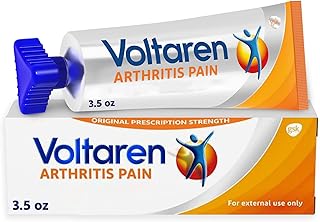
If you're among the millions seeking effective relief from arthritis pain, muscle soreness, or joint discomfort, you've likely heard of Voltaren Cream. This over-the-counter topical analgesic has revolutionized how people manage localized pain, offering a targeted alternative to oral medications. As a topical diclofenac sodium gel, it works directly at the site of inflammation, providing relief where you need it most. In this comprehensive guide, we'll explore everything from how Voltaren Cream works to its proper application, benefits, and how it fits into a complete pain management strategy.
What is Voltaren Cream and How Does It Work?
Voltaren Cream contains diclofenac sodium, a nonsteroidal anti-inflammatory drug (NSAID) formulated for topical application. Unlike oral NSAIDs that circulate throughout your entire body, this topical formulation delivers the medication directly to the painful area. The diclofenac sodium penetrates the skin to inhibit cyclooxygenase (COX) enzymes at the site of application. These enzymes are responsible for producing prostaglandins—chemicals that promote inflammation, pain, and fever. By reducing prostaglandin production locally, Voltaren Cream decreases inflammation and relieves pain precisely where it's applied.
The science behind topical diclofenac is particularly impressive for arthritis sufferers. Research shows that when applied to joints affected by osteoarthritis, sufficient diclofenac penetrates to the synovial fluid and tissues to exert therapeutic effects. This targeted approach means you get relief where you need it with minimal systemic absorption. Studies indicate only about 6% of the applied dose enters your bloodstream, compared to nearly 100% with oral diclofenac. This significantly reduces the risk of gastrointestinal and cardiovascular side effects commonly associated with oral NSAIDs.
Clinical Benefits of Topical Diclofenac for Arthritis Pain
Clinical trials have consistently demonstrated the effectiveness of topical diclofenac for arthritis pain relief. In multiple randomized controlled studies, patients with osteoarthritis of the knee experienced significant pain reduction and improved function compared to those using placebo gels. The pain relief typically begins within a few days of regular application, with maximum benefits appearing after one to two weeks of consistent use.
Beyond osteoarthritis, topical analgesic formulations like Voltaren Cream have shown effectiveness for various conditions including rheumatoid arthritis, ankylosing spondylitis, and acute musculoskeletal injuries. The beauty of this treatment approach lies in its versatility—you can apply it to shoulders, elbows, wrists, hands, knees, ankles, and feet. For many patients, it provides sufficient relief to reduce or eliminate their need for oral pain medications, particularly valuable for those who cannot tolerate systemic NSAIDs due to stomach issues, kidney concerns, or cardiovascular risks.
Proper Application Technique for Maximum Effectiveness
Correct application is crucial for getting the most benefit from your joint pain gel. Start by washing and drying the affected area thoroughly. For products like the Topical 1% Arthritis Gel, 3.52 Ounce, squeeze a small amount (typically a 2-4 gram ribbon) onto your fingertip. Gently massage the gel into the skin until it's completely absorbed. The standard dosage for most joints is 2 grams applied four times daily, though you should always follow the specific instructions on your product's label.
Avoid covering the treated area with bandages or dressings unless specifically directed by your healthcare provider. Don't apply heat packs or heating pads over the medication, as this can increase absorption beyond therapeutic levels. Wash your hands thoroughly after application unless you're treating your hands themselves. For hand applications, wait at least 30 minutes before washing to ensure proper absorption. Consistency matters—apply the gel at regular intervals throughout the day rather than waiting until pain becomes severe.
Who Can Benefit from Voltaren Cream?
Voltaren Cream is particularly beneficial for individuals with localized pain conditions. The primary candidates include people with osteoarthritis affecting specific joints like knees, hands, or hips. Those with rheumatoid arthritis experiencing flare-ups in particular joints may find targeted relief. Athletes and active individuals dealing with sports injuries, tendonitis, or muscle strains can use it for muscle soreness relief. Even people with acute injuries like sprains or bruises may benefit from this targeted anti-inflammatory approach.
Perhaps most importantly, Voltaren Cream offers an excellent option for patients who cannot tolerate oral NSAIDs. This includes individuals with a history of stomach ulcers, gastrointestinal bleeding, kidney impairment, or cardiovascular conditions that make systemic NSAIDs risky. Older adults, who often experience more side effects from oral medications, frequently find topical diclofenac to be a safer alternative. However, it's not suitable for everyone—people allergic to aspirin or other NSAIDs, those with asthma exacerbated by NSAIDs, and women in the third trimester of pregnancy should avoid using diclofenac products.
Safety Considerations and Potential Side Effects
While over-the-counter pain relief options like Voltaren Cream are generally safer than oral NSAIDs, they're not without potential side effects. The most common issues are localized skin reactions at the application site, including redness, itching, dryness, or rash. These typically resolve quickly if you discontinue use. More serious but rare side effects include severe skin reactions, asthma attacks in susceptible individuals, and systemic effects similar to oral NSAIDs (though at much lower rates).
To minimize risks, never apply Voltaren Cream to broken, infected, or irritated skin. Avoid getting it in your eyes, nose, or mouth. Don't combine it with other topical medications unless directed by your doctor. Most importantly, even though it's available over-the-counter, discuss using Voltaren Cream with your healthcare provider if you have any medical conditions or take other medications. This is especially crucial if you're already taking oral NSAIDs, blood thinners, certain blood pressure medications, or diuretics, as interactions are possible despite the low systemic absorption.
Comparing Voltaren Cream to Other Pain Relief Options
When considering anti-inflammatory gel options, it's helpful to understand how Voltaren Cream compares to alternatives. Versus oral NSAIDs like ibuprofen or naproxen, topical diclofenac offers targeted relief with far fewer systemic side effects. Compared to other topical pain relievers, diclofenac works differently than menthol-based products (which create a cooling sensation) or capsaicin creams (which deplete substance P). As an NSAID, Voltaren Cream actually reduces inflammation at the cellular level rather than just masking pain signals.
Versus prescription topical NSAIDs, the OTC version contains the same active ingredient (diclofenac sodium) at the same concentration (1%) as previously prescription-only formulations. The main difference is that the OTC version comes with specific usage instructions and warnings for self-care use. Compared to oral acetaminophen (Tylenol), Voltaren Cream targets inflammation directly rather than working primarily in the central nervous system, making it potentially more effective for inflammatory conditions like arthritis.
Integrating Voltaren Cream into Your Pain Management Plan
For optimal arthritis management, Voltaren Cream works best as part of a comprehensive approach. Combine its use with appropriate exercise to maintain joint mobility and strengthen supporting muscles. Weight management reduces stress on weight-bearing joints. Physical therapy can teach proper movement patterns to minimize pain. Some patients benefit from complementary approaches like acupuncture or supplements such as glucosamine and chondroitin (though evidence for these varies).
Timing your applications strategically can enhance effectiveness. Many users find applying Voltaren Cream before anticipated activities (like gardening or walking) helps prevent pain from developing. Applying after exercise can reduce post-activity inflammation. Keeping a pain diary can help you identify patterns and optimize your application schedule. Remember that while Voltaren Cream manages symptoms, it doesn't cure underlying arthritis—regular check-ins with your rheumatologist or primary care provider remain essential for monitoring disease progression and adjusting your overall treatment plan.
Real-World Experiences and Practical Tips
Users of products like the Topical 1% Arthritis Gel report several practical insights. Many find the 3.52-ounce tube convenient for daily use, typically lasting several weeks with regular application. The non-greasy formula absorbs relatively quickly, allowing you to dress normally shortly after application. Some users note that applying the gel 30 minutes before bedtime helps with nighttime pain and morning stiffness. Those with hand arthritis sometimes use disposable gloves after application to enhance absorption while protecting bedding or clothing.
Storage matters too—keep your Voltaren Cream at room temperature, away from moisture and direct sunlight. Don't freeze the product. Check expiration dates regularly, as expired medication may lose effectiveness. If you travel frequently, consider keeping a tube in your medicine kit, gym bag, and workplace for convenient access. For those with arthritis in multiple joints, rotate application sites according to which areas are most problematic each day rather than trying to treat every painful joint simultaneously.
When to Seek Medical Attention
While Voltaren Cream is available over-the-counter, certain situations warrant medical consultation. See your doctor if your pain worsens or doesn't improve after seven days of regular use. Seek immediate medical attention if you develop signs of an allergic reaction (difficulty breathing, swelling of face/lips/tongue/throat), severe skin reaction (blistering, peeling), chest pain, slurred speech, or symptoms of stomach bleeding (black/tarry stools, vomit that looks like coffee grounds). These are rare but serious potential effects that require prompt evaluation.
Additionally, consult your healthcare provider before using Voltaren Cream if you're pregnant (especially third trimester), breastfeeding, under 18 years old, or have liver or kidney disease. Those with a history of heart attack, stroke, blood clots, high blood pressure, or heart failure should discuss using any NSAID product with their cardiologist. Remember that self-treating chronic pain without proper diagnosis can delay treatment of serious conditions—if you haven't been diagnosed with arthritis or another condition causing your pain, see a doctor for evaluation before beginning any treatment regimen.
The Future of Topical Pain Management
The success of Voltaren Cream as an OTC product reflects a growing trend toward targeted pain therapies. Researchers continue to develop new topical formulations with enhanced penetration, longer duration of action, and combination therapies. Some newer products combine diclofenac with other agents like lidocaine for dual-action relief. Others use advanced delivery systems like liposomes or microemulsions to improve skin penetration. The principle remains the same: deliver medication where it's needed while minimizing systemic exposure and side effects.
As our understanding of pain mechanisms evolves, so too will topical treatments. Current research explores topical applications of medications traditionally given orally or by injection, including some newer classes of anti-inflammatory drugs. For consumers, this means more options will likely become available in coming years. However, the basic formulation of diclofenac sodium gel represented by Voltaren Cream has stood the test of time, with decades of clinical use supporting its safety and effectiveness profile for arthritis pain relief.
Whether you're newly diagnosed with arthritis or have been managing joint pain for years, Voltaren Cream offers a valuable tool in your pain management arsenal. By understanding how to use it properly, recognizing its benefits and limitations, and integrating it into a comprehensive approach to joint health, you can maximize your comfort and mobility while minimizing medication risks. Always remember that effective pain management is a partnership between you, your healthcare providers, and the treatments you choose—topical diclofenac can be an important part of that equation for millions living with arthritis and musculoskeletal pain.


