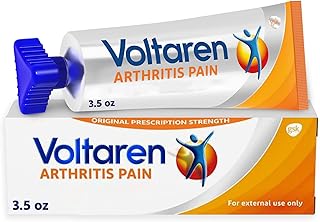
For millions of people living with joint and muscle pain, finding effective relief can be a daily challenge. While oral medications are common, they can sometimes cause unwanted systemic side effects. This is where topical solutions like Voltaren Cream have revolutionized pain management. As a topical nonsteroidal anti-inflammatory drug (NSAID) containing diclofenac sodium, it delivers targeted relief right where it's needed most. This comprehensive guide will explore everything you need to know about this clinically proven over-the-counter pain relief option, its mechanism, benefits, and how it compares to other treatments.
What is Voltaren Cream and How Does It Work?
Voltaren Cream, known generically as diclofenac sodium topical gel 1%, is an NSAID pain relief product applied directly to the skin. Unlike oral NSAIDs that travel throughout your bloodstream, this topical analgesic works locally. The active ingredient, diclofenac sodium, penetrates the skin to inhibit cyclooxygenase (COX) enzymes at the site of pain. These enzymes are responsible for producing prostaglandins, which are chemicals that promote inflammation, pain, and fever. By blocking their production precisely where you apply the gel, Voltaren reduces inflammation and alleviates pain with minimal absorption into the rest of your body, leading to a favorable safety profile for many users.
Clinical Proof and Approved Uses for Voltaren
The transition of diclofenac sodium topical gel to over-the-counter status was backed by extensive clinical research. Studies have consistently shown its effectiveness in treating osteoarthritic pain, particularly in easily reachable joints like the hands and knees. It is clinically proven to provide powerful pain relief for conditions such as osteoarthritis of the hands and knees. Users often report significant reductions in pain and stiffness, leading to improved mobility and daily function. Its targeted action makes it an excellent choice for managing localized pain without the gastrointestinal risks commonly associated with oral NSAIDs.
Key Benefits of Using a Topical Arthritis Pain Relief Gel
Choosing a topical arthritis pain relief gel like Voltaren offers several distinct advantages. First and foremost is targeted delivery. You apply the medication directly to the painful joint or muscle, ensuring the active ingredient concentrates its effect at the source of discomfort. This leads to faster onset of relief for the specific area compared to waiting for an oral pill to circulate. Secondly, because very little medication enters the bloodstream, the risk of systemic side effects, such as stomach upset or cardiovascular issues sometimes linked to oral NSAIDs, is greatly reduced. This makes it a safer long-term option for many individuals managing chronic conditions like arthritis.
Step-by-Step Guide: How to Use Voltaren Cream Correctly
For optimal results, correct application is crucial. First, ensure the skin on the affected area is clean, dry, and intact (without cuts, rashes, or infections). Squeeze a prescribed amount of gel—typically a 2-gram dose for each elbow, wrist, or hand, or a 4-gram dose for each knee, ankle, or foot. Gently massage the gel into the skin until it is fully absorbed. It's important to wash your hands immediately after application unless your hands are the treated area. Do not apply the gel to areas covered by bandages or tight clothing, and avoid exposure to sunlight or artificial UV rays (like tanning beds) on the treated skin, as diclofenac can increase photosensitivity. For a specific product formulation, you can explore options like our clinically proven powerful pain reliever.
Who Can Benefit from Diclofenac Sodium Topical Gel?
This diclofenac sodium topical treatment is ideal for adults suffering from acute pain due to osteoarthritis in peripheral joints. It's particularly beneficial for individuals who experience stomach sensitivity with oral pain medications, those with well-localized pain points, or people managing multiple health conditions where minimizing drug interactions is vital. Active individuals with joint pain from overuse or minor injuries may also find it helpful. However, it is not recommended for children, pregnant women in their third trimester, or individuals with a known allergy to aspirin or other NSAIDs without consulting a healthcare provider.
Potential Side Effects and Important Safety Information
While generally well-tolerated, Voltaren Cream can cause side effects, most commonly at the application site. These may include skin reactions like dryness, itching, redness, or rash. Serious side effects are rare but can include signs of an allergic reaction or symptoms of heart or stomach problems. It is essential to use the lowest effective dose for the shortest duration necessary. Avoid using it with other oral NSAIDs unless directed by a doctor, as this increases risk. Always read the Drug Facts label thoroughly before use and discuss with your doctor or pharmacist if you have underlying health conditions like heart disease, liver or kidney problems, or asthma.
Comparing Voltaren to Other Pain Relief Methods
When considering pain management, it's helpful to understand where Voltaren fits among other options. Compared to oral OTC pain relievers like ibuprofen or naproxen, Voltaren offers localized action with less systemic exposure. Versus other topical products like menthol or capsaicin creams that work by creating a heating or cooling sensation, Voltaren addresses the underlying inflammation. For muscle pain relief, it may be more effective for pain stemming from inflamed joints rather than simple muscle soreness. It serves as a valuable middle-ground option between non-medicated topicals and prescription-strength oral medications.
Maximizing Your Pain Management Routine
Incorporating Voltaren Cream into a broader pain management strategy can enhance its effectiveness. Consider combining its use with non-pharmacological approaches like gentle stretching, physical therapy exercises, applying heat or cold packs, and maintaining a healthy weight to reduce stress on joints. Keeping a pain diary can help you track the gel's effectiveness and identify patterns in your pain. Remember, while Voltaren is excellent for managing symptoms, it is not a cure for underlying conditions like arthritis. A holistic approach that includes lifestyle modifications and regular check-ups with your healthcare provider is key to long-term well-being.
Frequently Asked Questions About Voltaren Cream
Q: How long does it take for Voltaren Cream to work?
A: Some users may feel relief within a few hours, but for osteoarthritis pain, it may take up to 7 days of regular use to feel the full effects.
Q: Can I use Voltaren Cream on my back or neck?
A: The OTC version is approved for use on hands, wrists, elbows, knees, ankles, and feet only. For back or neck pain, consult a doctor.
Q: Is a prescription needed for Voltaren?
A: No. Diclofenac sodium gel 1% is now available as a powerful over-the-counter pain relief option, making it easily accessible.
Q: Can I use it with other pain medications?
A: Do not use it with other topical products on the same area. Consult a doctor before using it with oral NSAIDs or blood thinners.
Conclusion: Empowering Your Journey to Pain Relief
Voltaren Cream represents a significant advancement in accessible, targeted pain management. By delivering the proven anti-inflammatory power of diclofenac sodium directly to the site of pain, it offers a effective and generally well-tolerated solution for millions dealing with arthritis and joint discomfort. As with any medication, informed and careful use is paramount. By understanding how it works, following application guidelines, and integrating it into a comprehensive health plan, you can take a proactive step toward managing your pain and improving your quality of life. Always consult with a healthcare professional to determine if this topical analgesic is the right choice for your specific health needs.