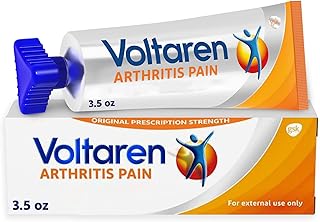
For millions of people living with arthritis, finding effective and convenient pain relief is a daily quest. While oral medications are common, they can sometimes come with systemic side effects. This has led to a surge in popularity for topical solutions, which target pain right at the source. Among the most well-known and clinically proven options is Voltaren Cream, a brand name for the topical nonsteroidal anti-inflammatory drug (NSAID) diclofenac sodium. In this comprehensive guide, we'll explore everything you need to know about this powerful topical pain relief option, how it works, and how to use it safely and effectively for managing arthritis and joint discomfort.
What is Voltaren Cream and How Does It Work?
Voltaren Cream contains the active ingredient diclofenac sodium, an NSAID. Unlike oral NSAIDs that work throughout your entire body, topical diclofenac is designed to work locally. When you apply the gel or cream to your skin over a painful joint, the diclofenac penetrates the skin's surface to reach the underlying inflamed tissues. There, it works by inhibiting the production of prostaglandins, which are chemicals in the body that promote inflammation, pain, and fever. By reducing these prostaglandins at the specific site of pain, Voltaren Cream effectively decreases inflammation and provides targeted relief without the same level of systemic exposure as a pill.
Key Benefits of Using Topical Diclofenac for Arthritis
Choosing a topical NSAID pain relief gel like diclofenac sodium offers several distinct advantages, especially for managing osteoarthritis pain in joints like the knees, hands, and wrists.
- Targeted Relief: The medication is delivered directly to the painful area, concentrating its effect where it's needed most.
- Reduced Systemic Side Effects: Because less of the drug enters your bloodstream compared to oral NSAIDs, the risk of common side effects like stomach upset or cardiovascular issues is generally lower.
- Convenience and Accessibility: Many topical NSAIDs, including formulations like our Arthritis Pain Relief Gel, are available over-the-counter with no prescription needed, making them easy to obtain.
- Ease of Use: Products often feature user-friendly designs, such as an easy open flip top cap, which is particularly helpful for those with hand arthritis.
Common Uses and Conditions Treated
Topical diclofenac is primarily used for the temporary relief of pain associated with osteoarthritis. The most common joints treated are:
- Knees
- Ankles
- Feet
- Hands
- Wrists
- Elbows
It's important to understand that while it is excellent for joint pain from arthritis, it is not typically intended for muscle aches or back pain unless specifically directed by a healthcare provider. Always read the product label and use it only as directed for the appropriate conditions.
How to Use Voltaren Cream Correctly for Best Results
Proper application is crucial for both effectiveness and safety. Follow these steps for optimal use of a diclofenac sodium joint pain gel:
- Clean and Dry the Area: Wash your hands and the application site. Ensure the skin is clean, dry, and has no cuts, open wounds, infections, or rashes.
- Measure the Correct Dose: For each joint (like one knee or one hand), use a specific amount as directed on the package (e.g., a 2-gram ribbon). Do not apply more than the recommended daily dose.
- Apply and Rub Gently: Apply the gel to the affected area and gently rub it in until it is fully absorbed. Do not apply on broken skin or under tight bandages.
- Wash Your Hands: Immediately wash your hands after application, unless you are treating your hands. In that case, wait at least 30 minutes before washing.
- Avoid Sun Exposure: Do not expose the treated area to sunlight or sunlamps, as diclofenac can make your skin more sensitive to UV rays.
Consistency is key. It may take up to 7 days of regular use (applying 4 times daily) to feel the full pain-relieving effects. Do not use for more than 21 days unless directed by a doctor.
Potential Side Effects and Safety Precautions
While generally well-tolerated, topical diclofenac can cause side effects, primarily at the application site. These may include:
- Skin reactions (redness, itching, rash, dryness)
- Burning or tingling sensation
Serious side effects are rare but can occur. Stop using the product and seek medical attention if you experience signs of an allergic reaction (hives, difficulty breathing, swelling), severe skin irritation, or symptoms of heart or stomach problems (chest pain, shortness of breath, black/tarry stools).
Important Precautions: Do not use topical diclofenac if you are allergic to aspirin or other NSAIDs. Inform your doctor about all medications you take, especially other NSAIDs, blood thinners, or certain heart medications. Avoid use during the last trimester of pregnancy.
Voltaren Cream vs. Other Pain Relief Options
How does Voltaren stack up against other common pain relief methods?
- vs. Oral NSAIDs (like ibuprofen): Topical diclofenac offers targeted relief with less stomach and kidney risk, but may be less effective for widespread or deep pain.
- vs. Acetaminophen (Tylenol): Acetaminophen reduces pain and fever but does not reduce inflammation. For inflammatory arthritis pain, an NSAID like diclofenac is often more appropriate.
- vs. Topical Capsaicin: Capsaicin works by depleting a pain-transmitting chemical and creates a warming sensation. Diclofenac works as an anti-inflammatory. They have different mechanisms and may be suitable for different types of pain.
- vs. Menthol Gels (like Bengay): Menthol provides a cooling sensation that can distract from pain but does not treat the underlying inflammation like an NSAID does.
For inflammatory joint pain, a topical NSAID like diclofenac sodium is often the most direct pharmacological approach.
Choosing the Right Topical Arthritis Gel
When selecting an arthritis pain relief gel, consider factors like concentration (1% diclofenac sodium is standard), formulation (gel vs. cream), brand reputation, and packaging features. A product like our clinically proven gel offers the trusted power of diclofenac in a convenient, over-the-counter format designed for ease of use. Look for products that are clinically proven to ensure efficacy.
Integrating Topical Treatment into Your Pain Management Plan
Topical diclofenac is most effective as part of a comprehensive arthritis management plan. This plan may include:
- Regular Exercise: Low-impact activities like swimming or walking to maintain joint mobility and strength.
- Weight Management: Reducing stress on weight-bearing joints like knees and hips.
- Heat/Cold Therapy: Using heat to relax muscles and cold to reduce acute inflammation.
- Physical Therapy: Learning exercises and techniques to protect your joints.
Using a topical NSAID can help manage pain effectively enough to allow you to stay active and engage in these other beneficial practices.
Conclusion: Empowering Your Arthritis Journey
Voltaren Cream, containing diclofenac sodium, represents a significant advancement in accessible, targeted arthritis pain management. By delivering anti-inflammatory power directly to the joint, it helps millions find relief with a favorable safety profile. Remember, while over-the-counter options provide great convenience, it's always wise to discuss any new pain management strategy with your healthcare provider, especially if you have other medical conditions or take other medications. With the right approach and tools, managing arthritis pain and maintaining an active, fulfilling life is an achievable goal.